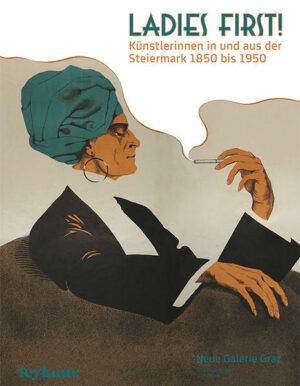
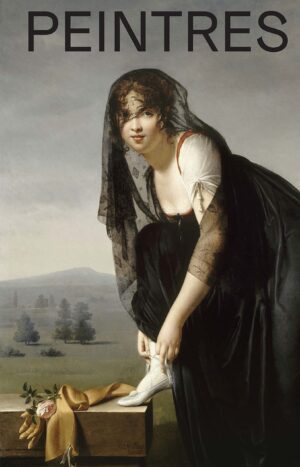
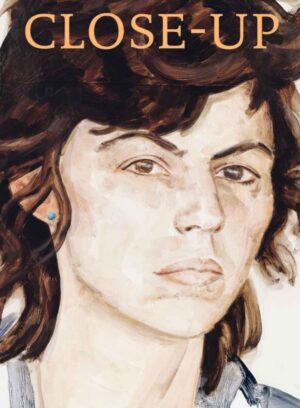
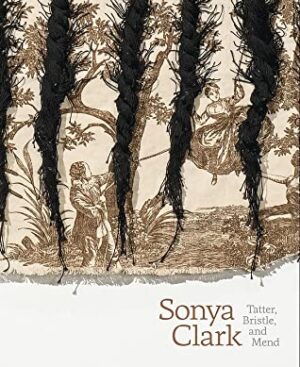
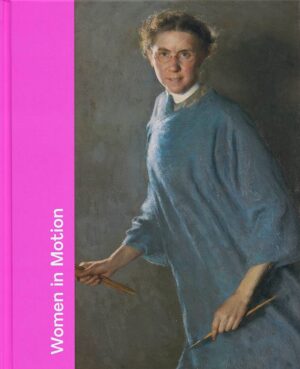
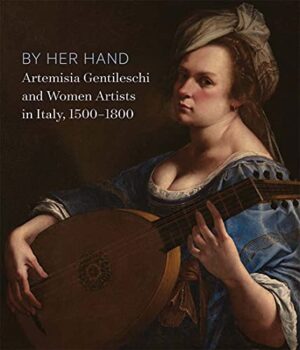
March is Women’s History Month. Check out these new Art History books on the Art History/Classics Library’s New Book Shelf, featuring women artists. Click the titles below to see them in UC Library Search.
By Design: Graphics & Images Basics Tuesday, April 12th, 3:40pm-5:00pm Online: Register to receive the Zoom link Lynn Cunningham
In this hands-on workshop, we will learn how to create web graphics for your digital publishing projects and websites. We will cover topics such as: image editing tools in Photoshop; image resolution for the web; sources for free public domain and Creative Commons images; and image upload to publishing tools such as WordPress. If possible, please install Photoshop in advance of the workshop. (All UCB faculty and students can receive a free Adobe Creative Suite license: https://software.berkeley.edu/adobe). Register here.
Until April 28, 2022, the Library has trial access to the Mass Observation Project. Launched in 1981 by the University of Sussex as a rebirth of the original 1937 Mass Observation, its founders’ aim was to document the social history of Britain by recruiting volunteers to write about their lives and opinions. Still growing, it is one of the most important sources available for qualitative social data in the UK.
The Mass Observation Project consists of directives (questionnaires) sent out by the Project and the responses gathered. They address topics such as the Falklands War, clothing, attitudes to the USA, reading and television habits, morality and religion, and Britain’s relations with Europe. Broad themes covered include current events, friends and family, the home, leisure, politics, society, culture and the media, work, finance and the economy and new technology.
É um prazer anunciar a primeira entrega de PhiloBiblon para aqueste ano de graça de 2022, terceiro da época de COVID.
Bibliotecas e arquivos tradicionais e digitais; revistas impressas e online; bases de dados e projetos bibliográficos; associações profissionais e grupos especializados de investigação … ligações para tudo na página de RECURSOS de PhiloBiblon. Esperamos que dedique uns minutos para explorar a página e descobrir novos sites. Por favor, salve nos seus “favoritos” o URL http://bancroft.berkeley.edu/philobiblon/resources_po.html.
Dica: Com as muitas ligações que agora se incluem, é melhor usar a função “Find” do seu browser para localizar rapidamente o recurso desejado. Pesquise por “hagiog” para encontrar bases de dados, bibliografias, grupos, e revistas especializadas na hagiografia. “Imag” e “icon” identificam recursos especializados em imagens/ícones. Pesquise por “sigil” para encontrar sites que se centram na sigilografia. O usuário com interesse na literatura artúrica ou de cavalaria deve pesquisar por “cav”, “cab”, “chiv”, e “art”. Para identificar rapidamente as revistas do CSIC, pesquise por “CSIC”, e os projetos do IEM por “IEM”.
Envie-nos informação sobre ligações que não funcionam e sugestões para outros sites/ligações que devemos incluir em RECURSOS para: schafferm@usfca.edu
Es un placer anunciar la primera entrega de PhiloBiblon para este año de gracía de 2022, tercero de la época de COVID.
Bibliotecas y archivos tradicionales y digitales; revistas impresas y electrónicas; bases de datos y proyectos bibliográficos; asociaciones profesionales y grupos especializados de investigación … enlaces para todo esto en la página de RECURSOS de PhiloBIblon. Esperamos que dedique unos minutos para explorar la página y descubrir nuevos sitios web. Por favor, guarde o URL http://bancroft.berkeley.edu/philobiblon/resources_es.html.
Consejo: Con tantos enlaces a otros sitios, resulta más eficaz usar la función de búsqueda de su navegador. Busque “hagiog” para encontrar bases de datos, bibliografías, grupos y revistas especializadas en la hagiografía. “Imag” e “icon” identifican los recursos especializados en imágenes/íconos. Busque “sigil” para encontrar los sitios web centrados na sigilografía. Los usuarios interesados en literatura artúrica o caballeresca deben buscar “cav”, “cab”, “chiv”, e “art. Para identificar rápidamente las revistas del CSIC, busque “CSIC”, y los proyectos del IEM, “IEM”.
Le rogamos que envíe información sobre enlaces rotos y también sugerencias para nuevos sitios a: schafferm@usfca.edu.
It is a pleasure to announce the first update to PhiloBiblon for this year of grace 2022, third of the COVID epoch.
Traditional and digital libraries and archives; print and online journals; data bases and bibliographic projects; professional associations and specialized research groups … links to all of this on PhiloBiblon’s RESOURCE page. We hope you will take a few minutes to explore the page and discover new websites. Please bookmark the URL http://bancroft.berkeley.edu/philobiblon/resources_en.html.
Tip: With so many links on the page, the “Find” function of your browser helps you quickly locate the resources you’re seeking. Search “hagiog” in order to find databases, bibliographies, groups, and journals specializing in hagiography. “Imag” and “icon” identify those resources specializing in images/icons. Search “sigil” to find sites focussing on sigillography. Users interested in Arthurian or chivalresque literature can search “cav”, “cab”, “chiv”, e “art”. CSIC journals can be quickly identified by searching “CSIC”, and IEM-sponsored projects by searching “IEM”.
Please send information about broken links and any websites you would like us to include in RESOURCES to: schafferm@usfca.edu
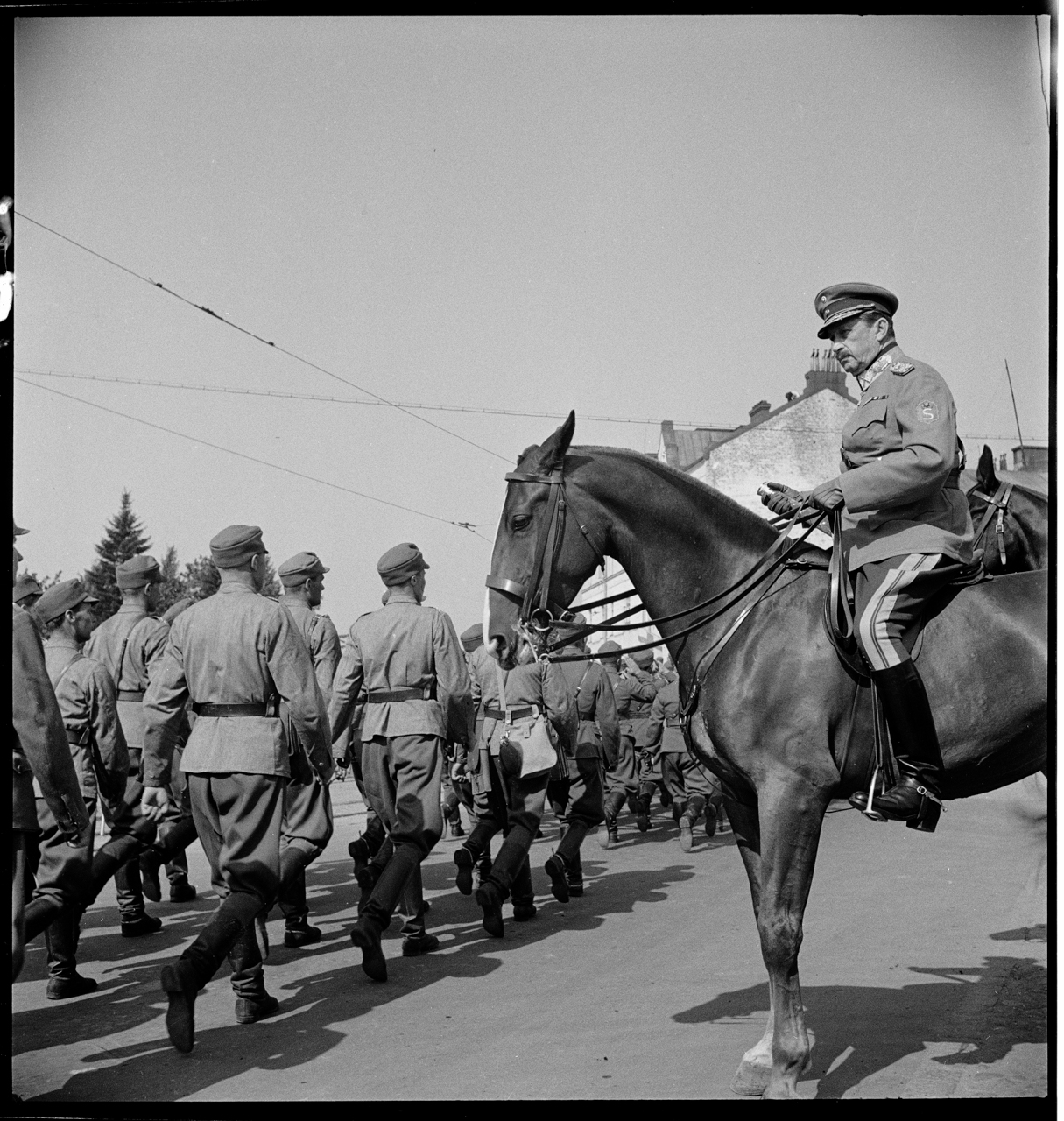
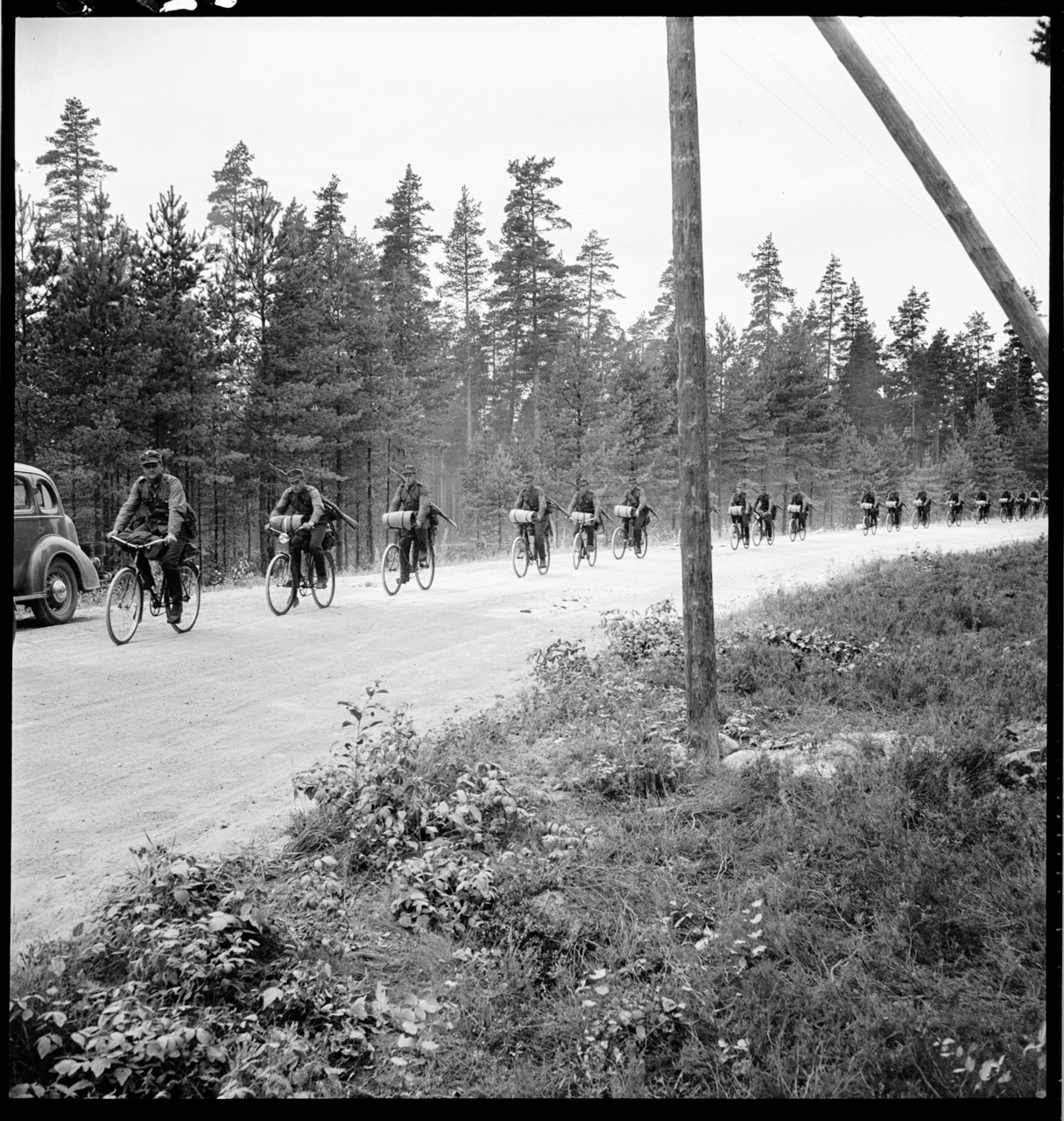
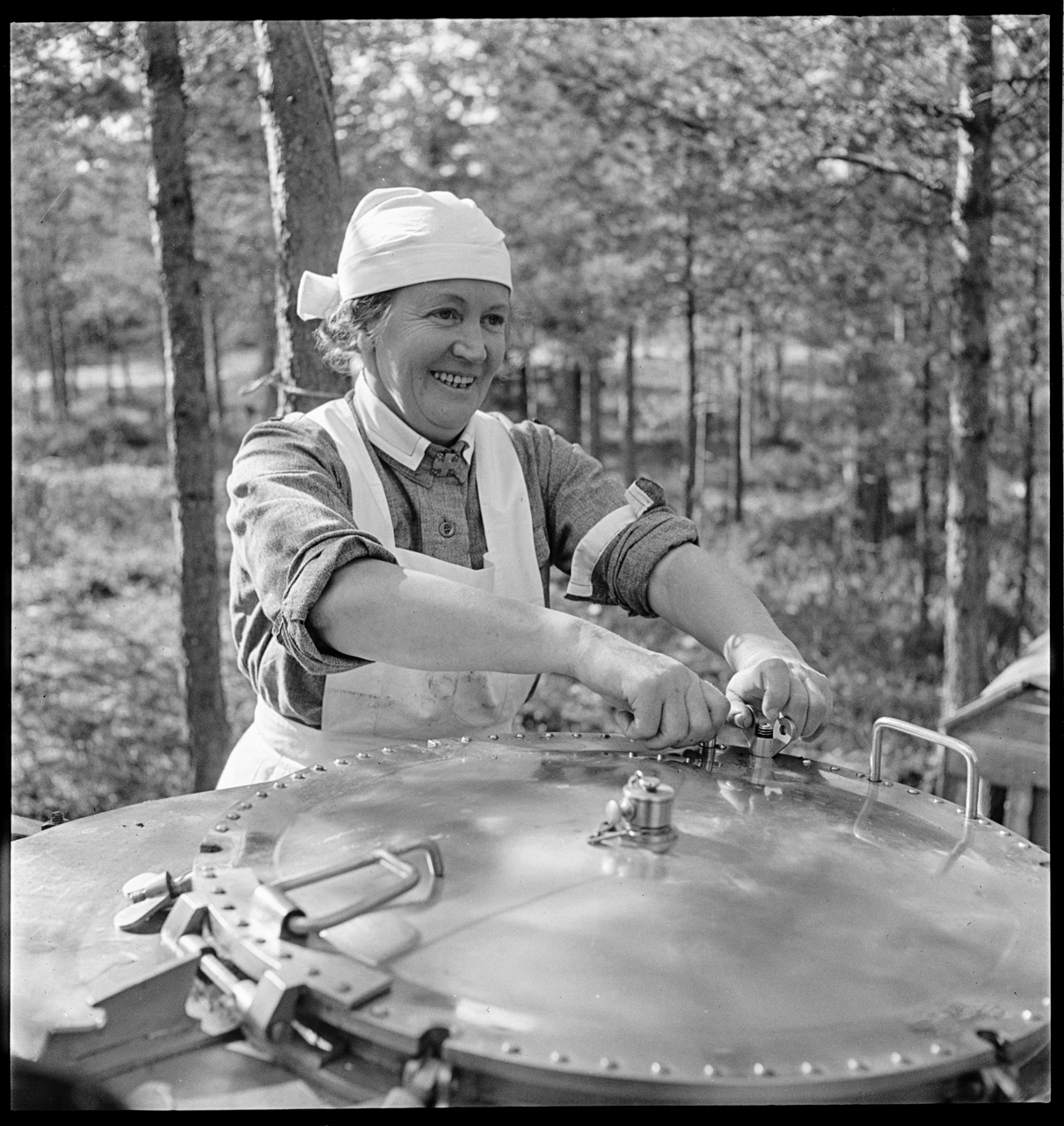
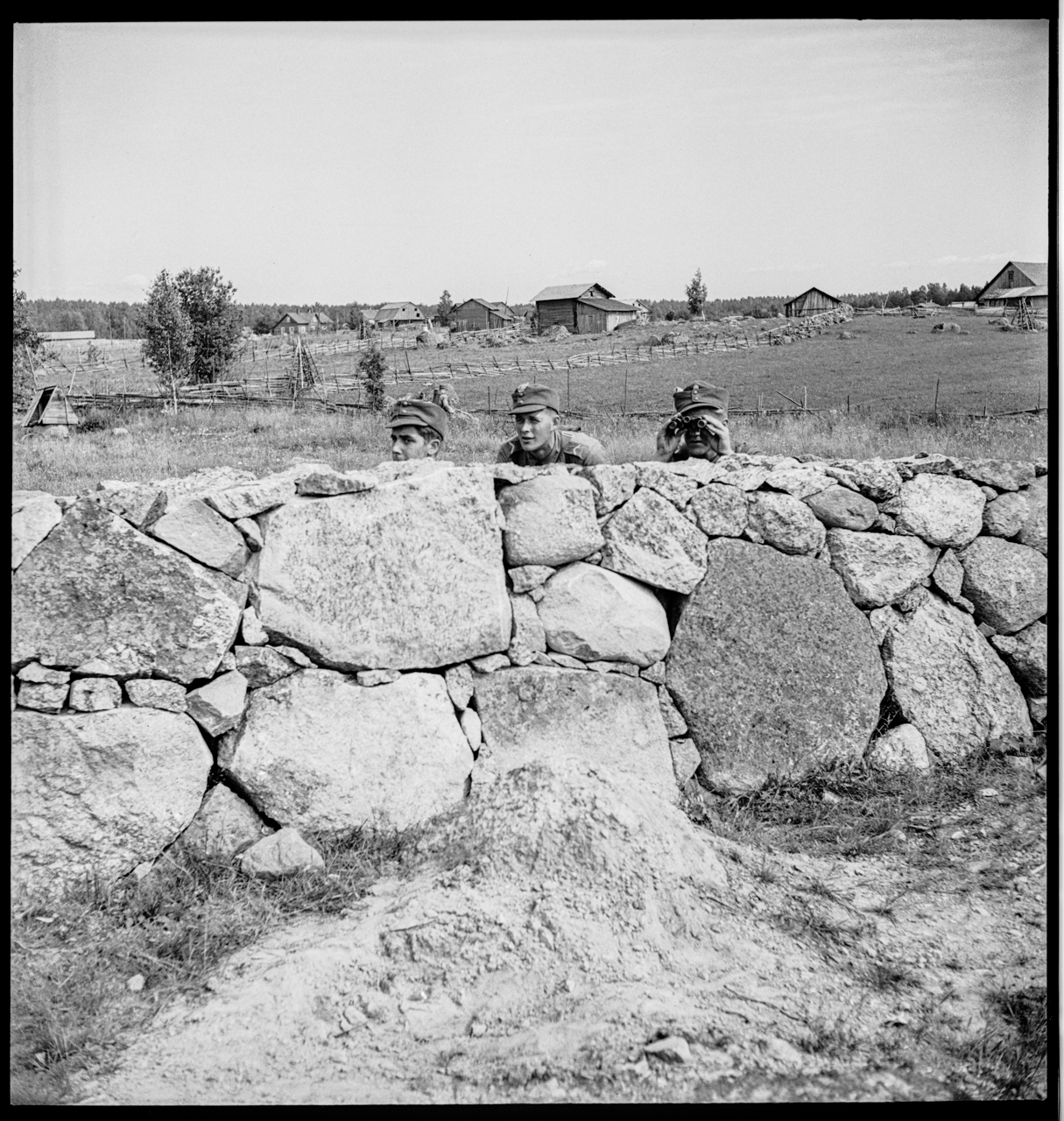
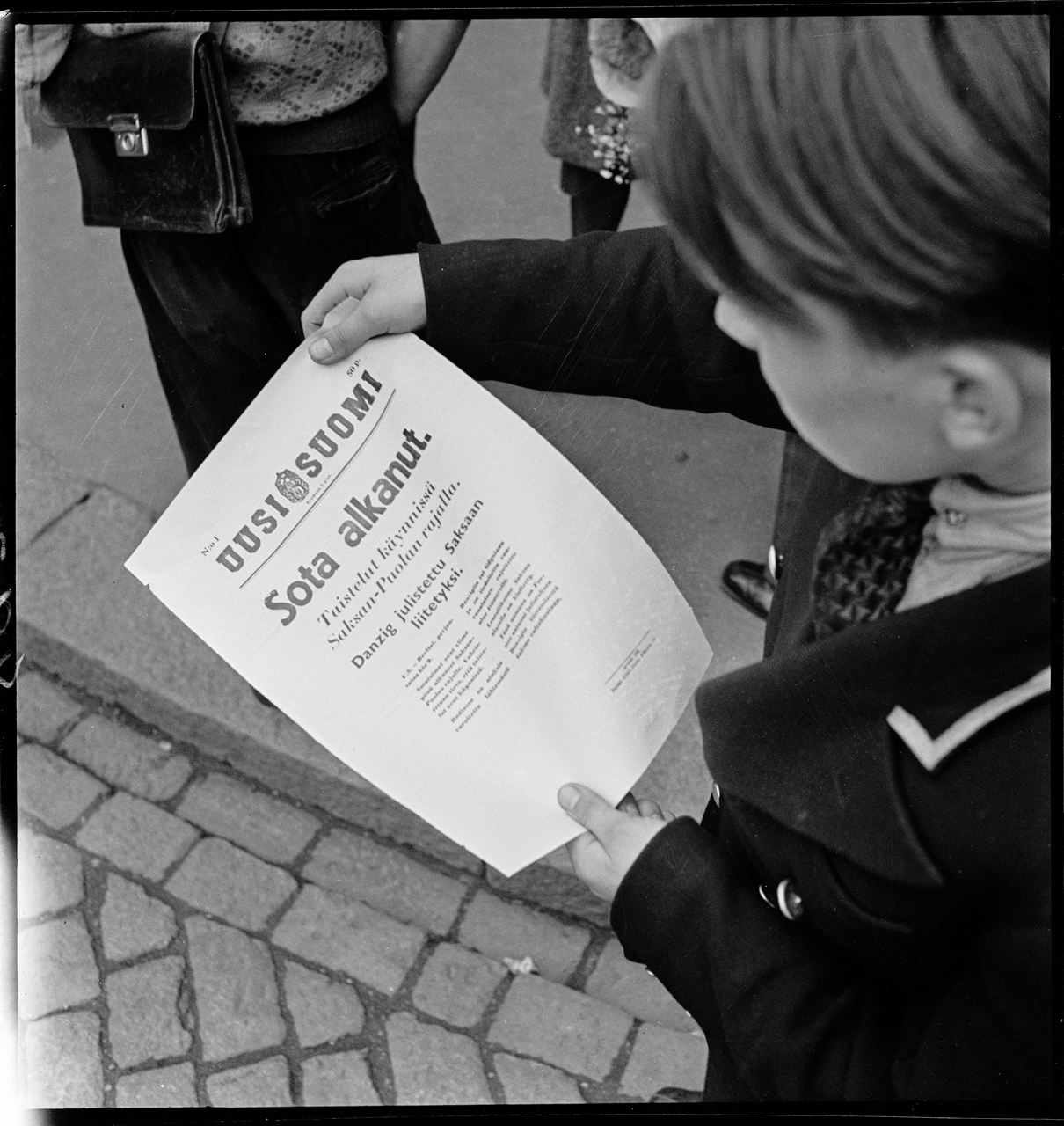
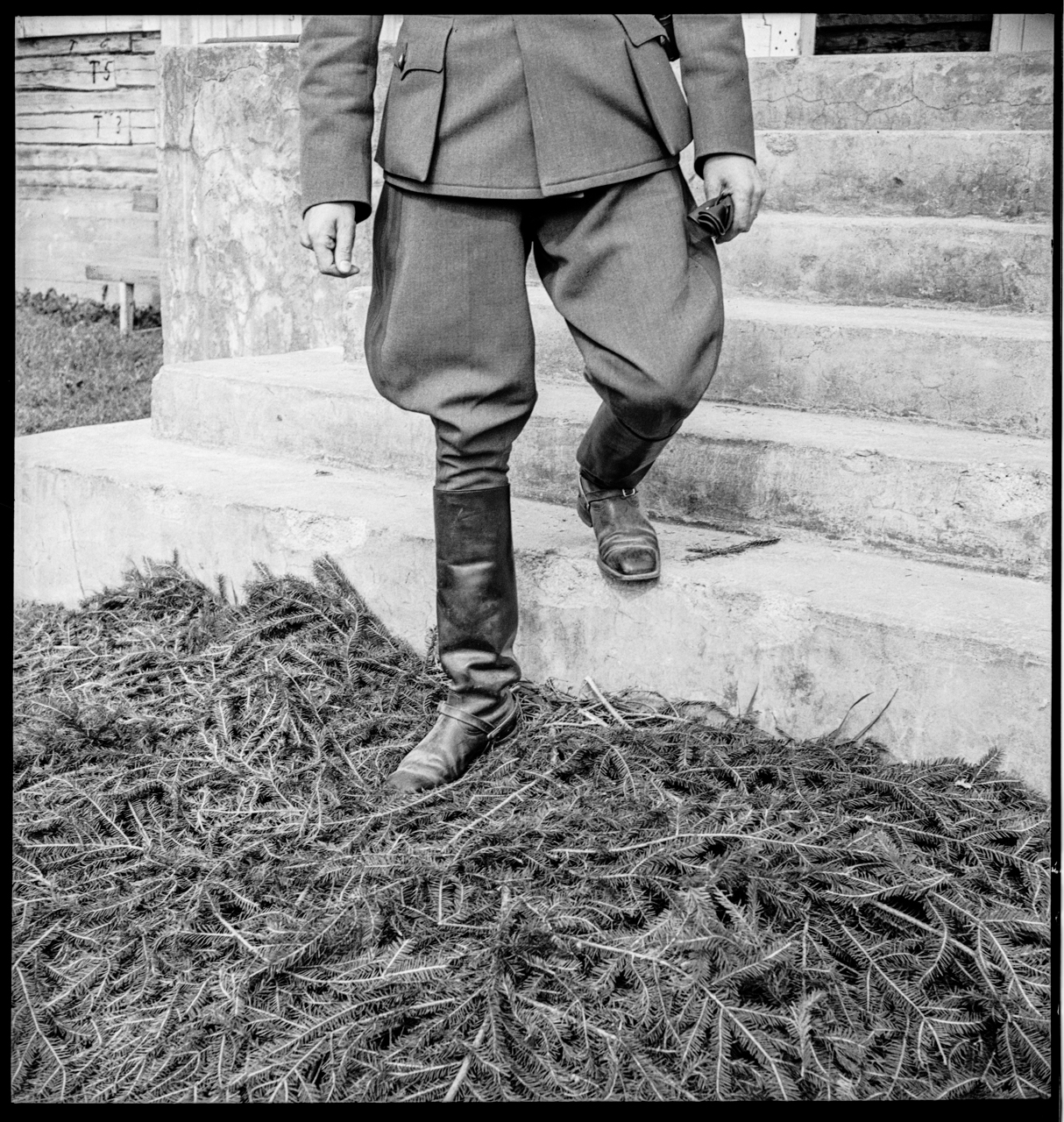
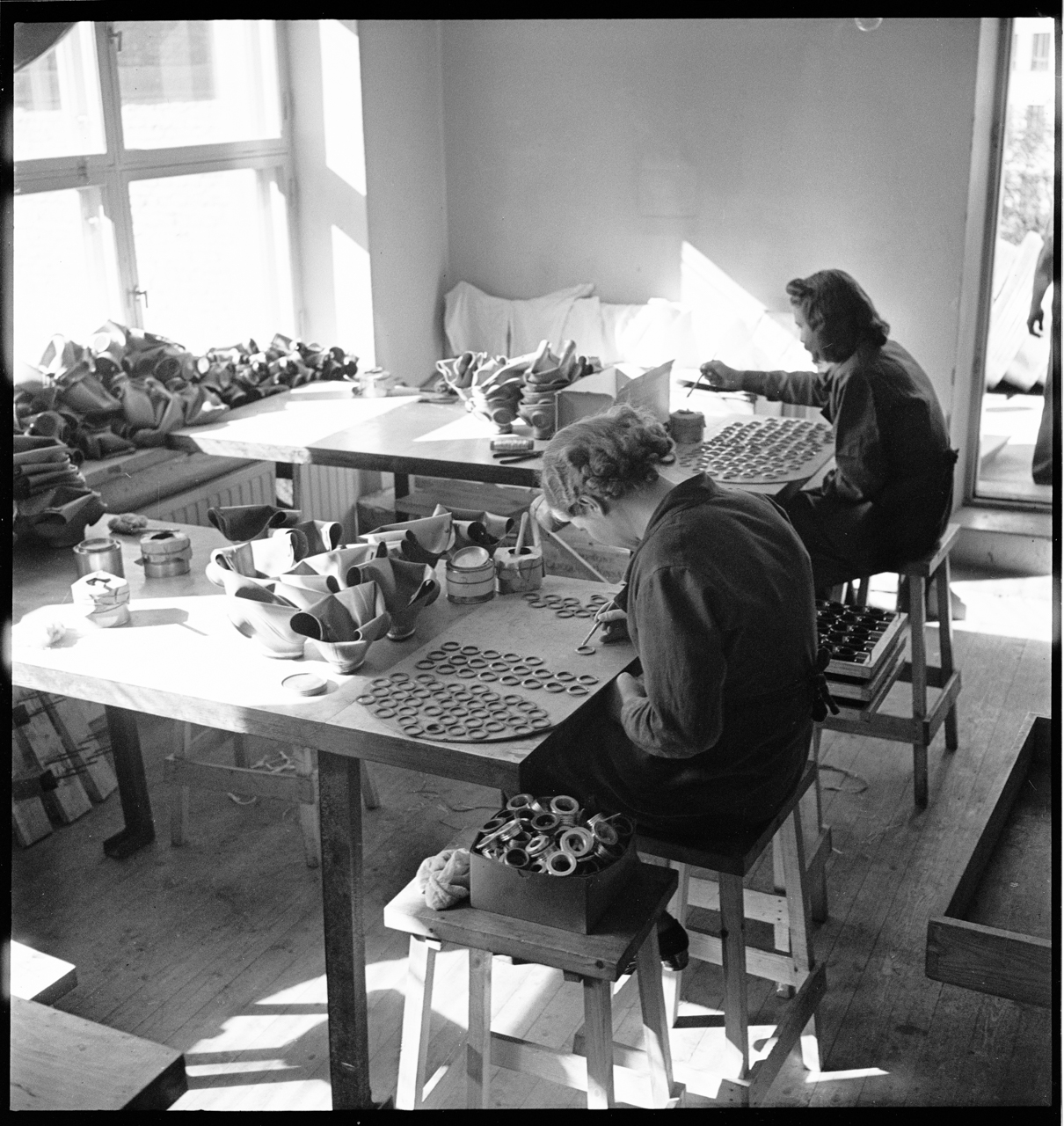
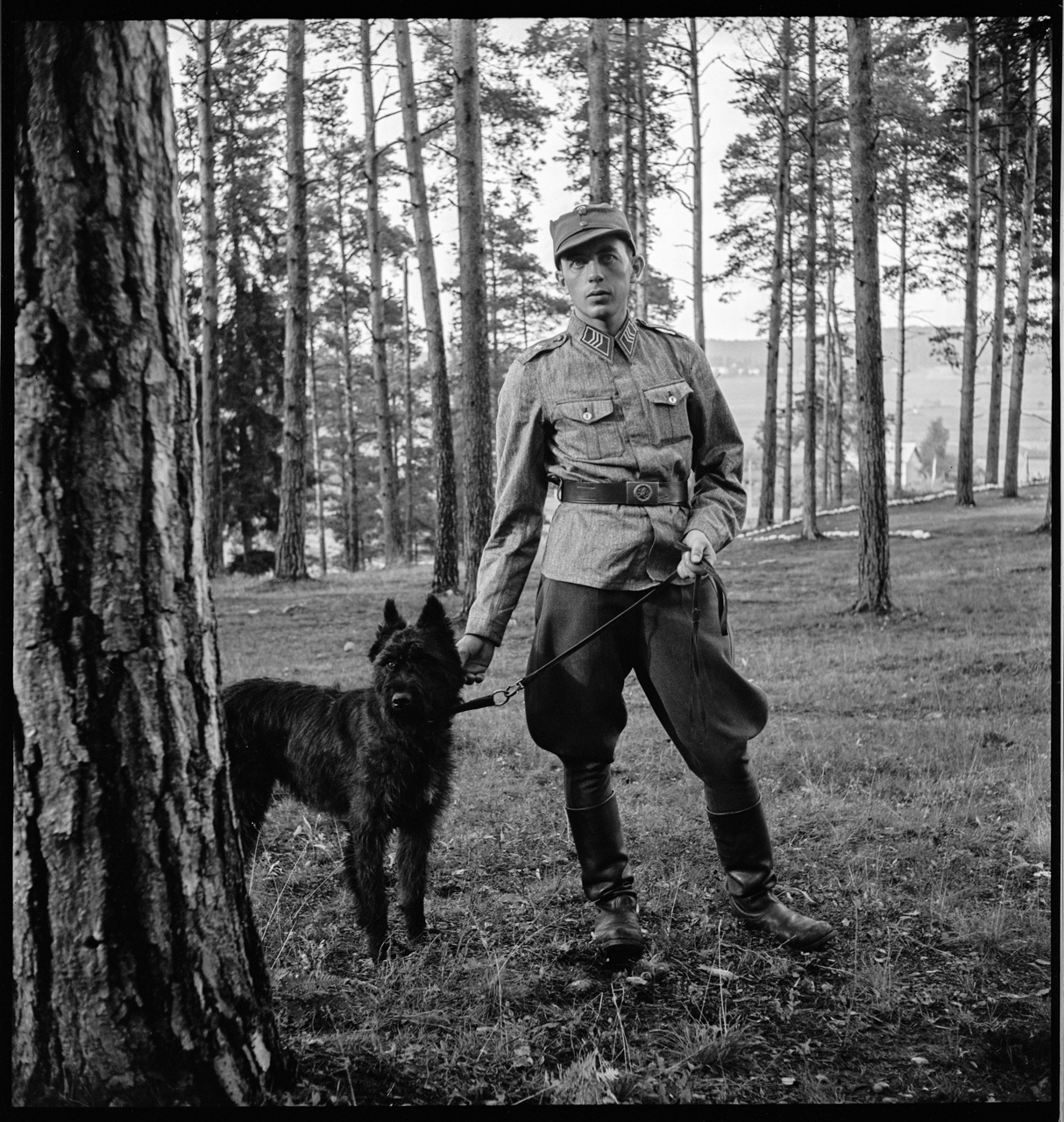
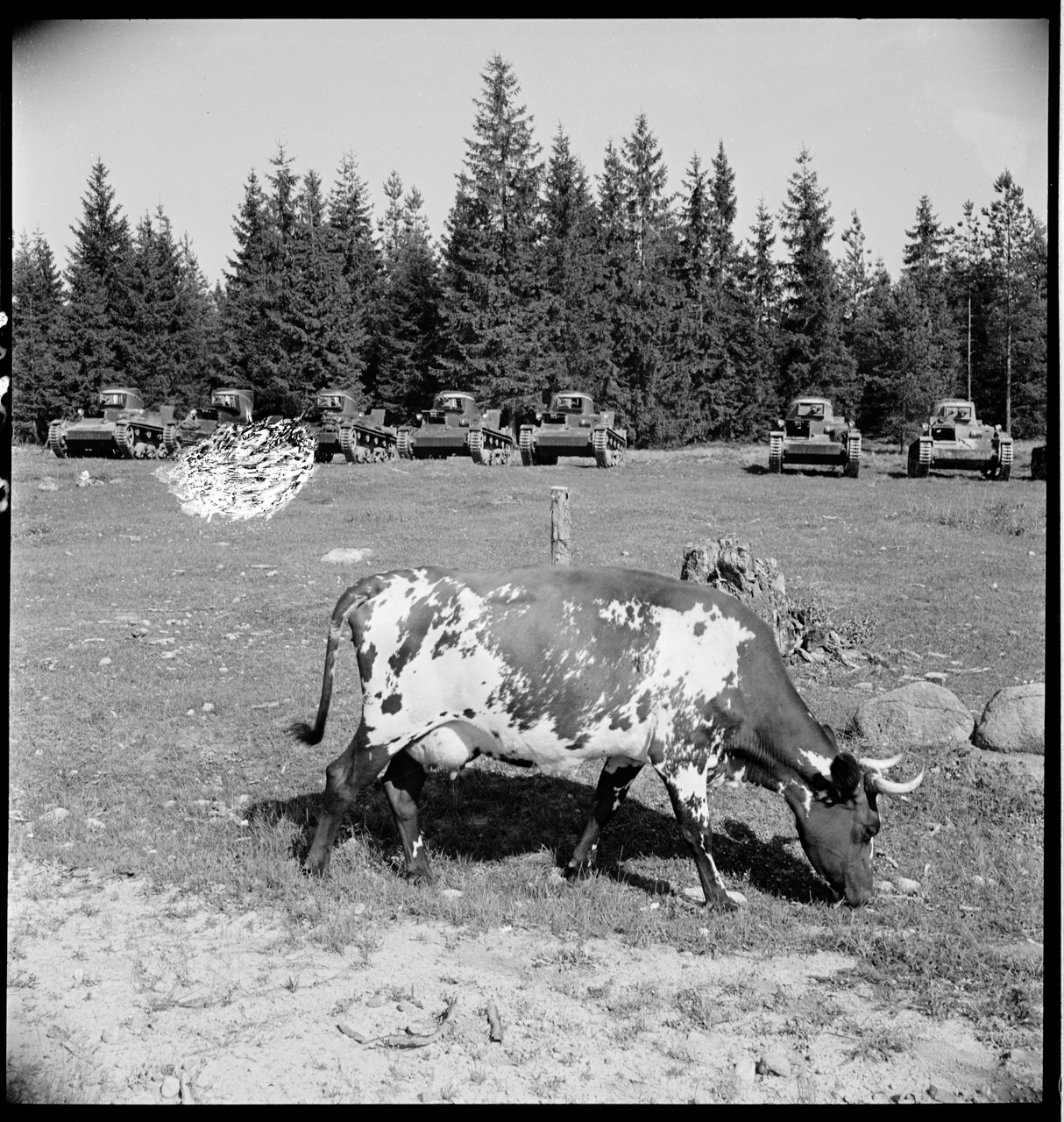
In the Autumn of 1939 Thérèse Bonney traveled to Finland to photograph preparations for the Olympic Games in Helsinki to be held the following year. Instead, she became a war correspondent. With World War II already underway, Bonney was one of few photographers in Finland as tensions with the neighboring Soviet Union grew. Bonney photographed Finnish military training operations leading up to the Soviet invasion on November 30, 1939. Throughout the ensuing Winter War she photographed civilian evacuations, relief operations, and meetings of Finnish leaders — work for which she was awarded the White Rose of Finland medal. The event would change the trajectory of her photographic career. Previously focused on French art and design, Bonney would go on to photograph throughout World War II, leaving an important record of the effect of war on civilian populations. Additional images of Bonney’s work in Europe during WWII can be seen in these previous postings: Wrapping up Women’s History Month: Selections from the Thérèse Bonney photograph collection at The Bancroft Library and Thérèse Bonney: Art Collector, Photojournalist, Francophile, Cheese Lover.
Field Marshal Mannerheim reviews the Army of Finland. BANC PIC 1982.111: NNEG box 7, item 177
Finnish Army on bicycles. BANC PIC 1982.111: NNEG box 7, item 250
A member of the Lotta Svard, a Finnish voluntary auxiliary paramilitary organization for women, works a field kitchen in Lohja. BANC PIC 1982.111: NNEG box 15, item 1092
Black smoke rises from a military airport in Chuguyev near Kharkiv on February 24, 2022. Photo by ARIS MESSINIS / AFP
February 24th, 2022 was a date I was looking forward to, from a bureaucratic perspective. It would mark the transition to a new role here at the Oral History Center as the Interim Director. Of course, it was impossible to ignore the anxiety building about Ukraine. Even though predictions were made by many sources well in advance, the arrival of the world’s most recent invasion was no less shocking.
The invasion of Ukraine on that day was shocking. Its scale and horror were surprising to many of us. But it was not an unfamiliar story. The experience of invasion is a story often told, and it is stories, first-hand accounts, that are galvanizing tremendous worldwide support for Ukraine in this war. The power of these stories is also evidenced by their absence from the official state organs of Russia’s media, by the slippage of individual moments of protest past the censors, scrawled posters behind the measured tones of the polished presenter, by emails and texts to individual Russians from around the world, fragments of stories, coming one at a time.
Oral history in its modern form coalesced in the 1960s as a movement and an association to document the lives, experiences, and views of ordinary people, with a democratic ethos at its heart. The basic idea was that if you collected, archived, and published multiple stories from individuals and representatives of communities, they could stand in contrast to the single narrative of any social system — an institution, a government, those authorized to speak on behalf of others — which represents a tempered, aggregate, vetted version of the truth, one that may obscure or distort more than it reveals. The truth of one person’s experience is always partial to that exact extent. The collection, archiving, and sharing of multiple perspectives, it is hoped, is an incomplete antidote to conventional wisdom, dogma, propaganda, euphemism, and erasure. To the extent that these stories can be preserved, they promise to outlast the dominant truth of any particular group or era.
The theme of this year’s annual meeting of the Oral History Association is “Walking Through the Fire: Human Perseverance in Times of Turmoil.” I wish I could say the theme was prescient, but these days it is just a good title for where we are at this moment in history.
This theme and this war spark memories of interviews I’ve done over the years. Materials scientist Ted Massalski recounted his narrow escape as a boy in Poland in World War II, sandwiched between the occupying Nazis and the advancing Soviet Army. In another oral history, engineering scientist George Leitmann told me what it was like to see the Nazis roll in to Vienna in 1938. There are many other stories of the survival of invasions and evacuations in our collection, including from Russian emigres who fled the Soviet Union, from former UC Berkeley Chancellor Chang-Lin Tien or restaurateur Ceclia Chiang, who escaped war-torn China, or economist John Harsanyi, who escaped from Soviet-occupied Hungary after World War II.
Before the pandemic, I completed a project on physicists who lived through the communist period in Czechoslovakia. Speaking from the land of Franz Kafka, they described the risks of running afoul of the state while running an “underground university,” which hosted secret political discussions of smuggled forbidden texts in the 1970s and 80s, and which paved the way for the turn toward democracy in the early 1990s.
Some of these Czech narrators believe that the threat of totalitarian control never really went away in that region, and for that reason remained vigilant. I was heartened and humbled by their swift action in the face of the invasion, their efforts to influence the Russian government to reverse course, and to help incoming refugees from Ukraine. Their stories will hopefully inspire the current generation of Czechs to defend their hard-won freedom.
What makes suffering so unbearable is when it is by design. In the strategy of total war, only most recently manifested in Ukraine, the burden of injury, death, destruction, division, and separation of loved ones is planned to produce a desired outcome: the conquest of territory in the most brutal terms, but also the achievement of enforced conformity, complicity, resignation, and humiliation of the recipients of this terror, in short, dehumanization.
What can make suffering more bearable, at least from my experience interviewing people who have passed through terrible events, is when the subjects of such terror bear witness to what they endured, name it, and pass the stories of loss and survival to others as a testament to their resilience and humanity. Storytelling, in the face of dehumanization, can promise a rehumanization, of those who survived to tell the story, those who did not, those who hear the story, those who keep it, and those who pass it along.
Of course, this most acute crisis, this war, requires direct and immediate action. Part of this action is a commitment to the expression and dissemination of narratives of multiple, diverse experiences, in Ukraine, in Russia, and everywhere a single voice threatens to silence all others. As gutted as I am by the horror of this war, I do find hope in the assistance provided to many millions of those who are suffering. The stories circulating about the plight of Ukrainians are aimed most urgently at stopping the war; but they are also, I think, about spreading the load of grief and loss to any and all who will listen. They indicate what is most powerful about oral history. Stalin is reported to have said, apropos of the deliberate starvation of millions of Ukrainians at the beginning of the 1930s: “If only one man dies of hunger, that is a tragedy. If millions die, that is only a statistic.” Apocryphal or not, the statement expressed well the numbing effect of brutality at scale. But a story is not a list of numbers; it is the meaning of an experience to an individual. Oral testimony counters the enormity of Stalinist terror with an individual experience and perspective, amplified by the number of listeners, readers, and repeaters, each connected to one person’s visceral truth.
Loyalty oaths have long been in use in the United States as a means of promoting social unity in the face of war, perceived security threats, or fears about waning political support. Even now, loyalty oaths are common as a condition of employment for many state workers. In fact, all employees of the state of California, including the faculty and staff members of the University of California, currently sign an oath of loyalty upon hire, stating that they will defend the constitution against all enemies foreign and domestic, and that they take this obligation freely.
In particular, the idea of a governmental loyalty oath rose to prominence in the 1940s, when tensions between the US and the Soviet Union and growing fears about a communist infiltration of the government prompted President Harry S. Truman to establish a loyalty program for federal employees. In March 1947, Truman signed Executive Order 9835, which ensured that employees of the US government could be subject to investigation for potential involvement in “subversive” organizations.
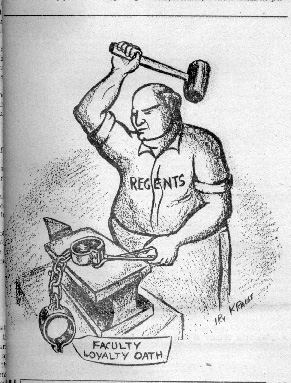
In the wake of President Truman’s Executive Order, the California state legislature began to introduce its own policies in opposition to potential communist activity in the government. These proposals would have given the state authority over the University of California in matters of loyalty, prompting the University of California administration to act in response to prevent infringement on the institution’s autonomy. Furthermore, the university was at this time also facing financial difficulties, with the state threatening to withhold funding for the university budget due to worries about subversive activity within its community. As a result of these mounting pressures, University President Robert G. Sproul proposed his own loyalty oath for university faculty and employees on March 25, 1949. The text of the oath approved by the Regents on June 24 was as follows:
I do solemnly swear (or affirm) that I will support the Constitution of the United States and the Constitution of the State of California, and that I will faithfully discharge the duties of my office according to the best of my ability; that I do not believe in, and I am not a member of, nor do I support any party or organization that believes in, advocates, or teaches the overthrow of the United States Government, by force or by any illegal or unconstitutional means, that I am not a member of the Communist Party or under any oath or a party to any agreement or under any commitment that is in conflict with my obligations under this oath.
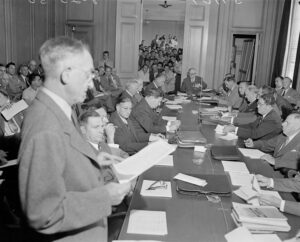
Almost immediately, the introduction of the loyalty oath garnered controversy. Many faculty members and staff refused to sign the oath, resulting in a rash of firings and resignations and a tense stand-off between the Board of Regents and university faculty, staff, and students. The oath was later declared unconstitutional in 1951 in Tolman v. Underhill, and many of the thirty-one dismissed faculty returned to Berkeley.
University of California Regents’ Meeting about Loyalty Oath Non-signers, 1950 August 25, BANC PIC 1959.010. San Francisco News-Call Bulletin Newspaper Photograph Archive, The Bancroft Library, UC Berkeley.
The UC Berkeley Oral History Center has several interviews related to the loyalty oath controversy, many from UC faculty members who witnessed or were themselves involved in the response to the oath’s introduction.
Among these is a collection of interviews specifically concerning the loyalty oath, which features oral histories from Howard Bern, a UC Berkeley faculty member who signed the oath last-minute; Ralph Giesey, a graduate student of non-signer Ernst Kantorowicz; and Deborah Tolman Whitney and Mary Tolman Kent, the children of Berkeley professor Edward Tolman, a key leader of the faculty opposition to the oath.
These interviews reveal the fraught relationship between university faculty and administration after the instatement of the loyalty oath, with rampant fears about academic freedom and discrimination against potentially “subversive” faculty members. Here, Howard Bern shares his distaste of the oath and his moral grounds for originally refusing to sign:
I felt that it was discriminatory, that it was singling out university professors as if they were especially potentially evil. So on a civil libertarian ground I objected to this. And the second ground was my own feeling. I had been in the army for almost four years. What more manifestation of loyalty did they really want?
In the oral history of Charles Muscatine, who returned to UC Berkeley in 1953 after being fired for his refusal to sign the oath as an assistant professor, Muscatine recalls the most poignant moment for him of the entire controversy:
At a certain moment, [Malcolm Davisson, a faculty policy chair] contacted me. He said, “We have lost the moral right to decide.”
Other interviews offer more insight into the experience of witnessing the loyalty oath controversy firsthand. For instance, Ralph Giesey discusses the hearings he and his fellow non-signing teaching assistants had to undergo as a condition of their opposition to the oath. Howard Schachman, an assistant professor at UC Berkeley at the time of the oath, describes the moral compromise he underwent when he signed something he considered philosophically “abhorrent.”
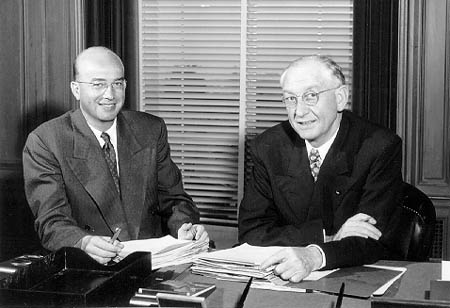
Chancellor Clark Kerr (left) and Robert Gordon Sproul, November 16, 1953
The loyalty oath controversy at UC Berkeley is often viewed through the perspective of academic freedom amid anticommunist fervor, but an oral history of Clark Kerr, UC Berkeley faculty member at the time — and later campus chancellor and university president — provides another perspective. Kerr observed that the controversy must be viewed in light of the internal divisions in the Board of Regents that escalated in the 1940s over debates about centralization versus campus autonomy. According to Kerr, Regent John Francis Neylan and the southern regents tended to favor campus autonomy, while University President Robert G. Sproul and most of the northern regents called for a centralized system. This issue resolved itself with the creation of the post of chancellor for each UC campus, and Kerr himself was later appointed to the position at UC Berkeley in 1952.
According to Kerr:
As I understand it, Neylan really just seized on the oath controversy as a way of whipping Sproul around because he was unhappy with him on other grounds. . . . [Sproul] looked to me like a man who was just immobilized by the controversy. It was out of this, according to what I observed, that [Earl] Warren then came to take a position of leadership, which he had not taken in the regents before. Normally governors don’t. But the controversy was tearing the university apart. The president was immobilized. Warren stepped in, then, essentially against the oath, or at least against the firing of the non-signers, and took leadership of the more liberal elements of the board.
Howard Bern also recognizes Robert Sproul’s role in mishandling the loyalty oath controversy, stating, “Just as, although he would not admit it, the Free Speech Movement really broke Clark Kerr, I think the loyalty oath situation just destroyed Robert Gordon Sproul and his influence. I don’t think he was a bad man, a bad leader, but I think he made a very fatal error.”
All in all, these oral histories concerning the UC loyalty oath controversy are a great resource for understanding the climate at the University of California in the 1940s and ’50s. They offer a wealth of insight concerning the faculty experience at UC Berkeley, and since many of the interviewees went on to become involved with the Free Speech Movement and other political causes, there is a particular focus in these oral histories on the growth of social movements at the university. For more information about the loyalty oath controversy, check out the Oral History Center’s collection of interviews concerning the oath and other related resources from The Bancroft Library.
Shannon White is currently a third-year student at UC Berkeley studying Ancient Greek and Latin. They are an undergraduate research apprentice in the Nemea Center under Professor Kim Shelton and a member of the editing staff for the Berkeley Undergraduate Journal of Classics. Shannon works as a student editor for the Oral History Center.
Adam Hagen is currently a third-year history student with a concentration in modern European history. Adam works as a student editor for the Oral History Center. He is also a member of the editing staff of Clio’s Scroll, the Berkeley Undergraduate History Journal.
Related Resources from the OHC and The Bancroft Library
Oral Histories Cited
Clark Kerr, University of California Crises: Loyalty Oath and the Free Speech Movement.
The Loyalty Oath at the University of California, 1949–1952. Interviews with Howard Bern, Ralph Giesey, Mary Tolman Kent, Deborah Tolman Whitney.
Howard Schachman: UC Berkeley Professor of Molecular Biology: On the Loyalty Oath Controversy, The Free Speech Movement, and Freedom in Scientific Research.
Charles Muscatine: The Loyalty Oath, The Free Speech Movement, and Education Reforms at the University of California, Berkeley.
Related Oral History Projects
The SLATE Oral History Project documents the UC Berkeley campus political organization SLATE — so named because the group backed a slate of candidates who ran on a common platform for ASUC (Associated Students of the University of California) elections from 1958 to 1966. SLATE ignited a passion for politics in the face of looming McCarthyism and what many perceived as the University of California’s encroachment on student rights to free speech. See also, “They Got Woken Up”: SLATE and Women’s Activism at UC Berkeley
The Free Speech Movement Oral History Project documents the movement at UC Berkeley that began in the fall of 1964 from the perspective of the ordinary people who made it possible — and those who opposed it — including students, lawyers, faculty, and staff.
Related Resources from The Bancroft Library
Gardner, David Pierpont. The California oath controversy. F870.E3C4122.G3.
Kantorowicz, Ernst H. The fundamental issue : documents and marginal notes on the University of California loyalty oath. Bancroft F870.E3 K18.
Papers pertaining to California loyalty oaths, 1954. Bancroft BANC MSS C-Z 92.
University of California, Berkeley Accounting Office loyalty oath records, 1949–1964. UC Archives CU-3.11.
About the Oral History Center
The Oral History Center of The Bancroft Library has interviews on just about every topic imaginable. You can find the interviews mentioned here and all our oral histories from the search feature on our home page. Search by name, keyword, and several other criteria. We preserve voices of people from all walks of life, with varying political perspectives, national origins, and ethnic backgrounds. We are committed to open access and our oral histories and interpretive materials are available online at no cost to scholars and the public.
HTML/CSS Toolkit for Digital Projects Monday, April 11th, 3:10pm-4:30pm Online: Register to receive the Zoom link Stacy Reardon and Kiyoko Shiosaki
If you’ve tinkered in WordPress, Google Sites, or other web publishing tools, chances are you’ve wanted more control over the placement and appearance of your content. With a little HTML and CSS under your belt, you’ll know how to edit “under the hood” so you can place an image exactly where you want it, customize the formatting of text, or troubleshoot copy & paste issues. By the end of this workshop, interested learners will be well prepared for a deeper dive into the world of web design. Register here.
The On the Waterfront oral history project is a collection of interviews from residents of Richmond, California conducted by the UC Berkeley Oral History Center in the 1980s. These oral histories span decades, offering an interesting glimpse into the history of the Bay Area in the early- to mid-twentieth century. This collection features interviews from shipyard workers, cannery employees, fishermen, and early residents of Richmond, many of whom have resided in the area for decades and have witnessed firsthand the city’s evolution over the better part of a century.
These interviews devote a great deal of time to talking about the development of the city as a result of World War II. Common themes throughout the On the Waterfront project as a whole include labor practices, race relations and discrimination, and industrial growth and urban development in the Bay Area.
Title: Workers (general photos). Identifier 35. From the Henry J. Kaiser Pictorial Collection, The Bancroft Library. Available on the Online Archive of California.
During the 1940s, Richmond experienced a massive influx of workers, many of whom arrived from the southern United States as part of the Great Migration, seeking wartime employment at local businesses or the Kaiser Shipyards. “I thought it was in the neighborhood of eighteen to twenty thousand. By the time Kaiser came in and all the shipyards moved in there, we were over a hundred thousand,” Joseph Perrelli, whose family founded the Filice and Perrelli Canning Company, says of the rapid population and industrial growth in Richmond as a result of wartime industry.
F & P Brand Solid Pack Tomatoes label, 1929. Courtesy of the History San Jose Research Library, via Calisphere. Identifier: F144A3D6-2ADB-4D06-9E10-193468533590 1985-95-34.
In his interview, Perrelli describes the history of the Filice and Perrelli Canning Company, which began in 1913 as a small family business and grew exponentially during the war.
They would ask us to bid on their needs to feed the army as far as tomatoes and fruit was concerned. We were competitive. We had to bid against each other. We bid against our fellow canners. But the percentage that the military allowed us was much greater than we could get in competition with our fellow canners. Naturally we made some money on the sales that we made to the government, to the military.
The increased need for labor during the war meant that job opportunities opened up en masse for women and people of color, many of whose testimonies were put on record by the Oral History Center. Here, Lucille Preston describes her experience working as a welder in Richmond during World War II:
We would have to punch the time clock at eleven-thirty. I would leave home around eleven-fifteen. . . .Then we would have to go and get our own welding lines. I’m sure you don’t know what that is, but it looks just like a water hose, these welding lines. I would have to have two, one on one shoulder and one on the other, and I would have to climb up a ladder or go down in a hold on a ladder and carry those on my shoulders.
Preston looks back on the hands-on work she performed as a positive experience, recalling, “We would have to go out in the water on the ship. The ship was floating while we were on there welding. So it was really fun. I really enjoyed it.”
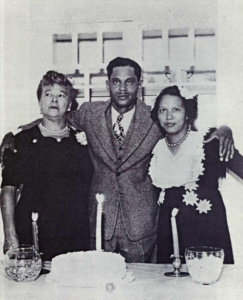
Mollie Bowie, son Marvin Foster, Selena Foster, Richmond, 1947, following Mrs. Bowie’s move to Richmond
At the same time though, Selena Foster, the owner of the Oakland-based restaurant Selena’s Kitchen and an employee of Lou’s Defense Diner during World War II, discusses hiring discrimination for black women looking for shipyard work, saying:
There were blacks out there but mostly the white girls were the ones who got all the training. They all had to wear the same welding suits because this was a training outfit. So they would just try them for so many minutes, and then they would try the other. We tried the whole day to get fitted. Other girls kept coming, white girls. Alma was kind of chubby but she wasn’t fat and at that time I only weighed about a hundred and ten, and it seems that we were too big. This was just prejudice.
Marguerite Williams, a long-time Bay Area resident, also recalls an almost instantaneous increase in racialized violence and discrimination in conjunction with the growing black population in the Bay Area:
It seemed like overnight people on the street would be fighting with knives and everything. . . . When we first came to Richmond in 1946, [Harry Williams] and I and the kids, there was still a lot of that bad feeling, because you would go into the store downtown and the people wouldn’t want to wait on you.
Harry Williams, whose mother worked for the Filice and Perrelli Canning Company in the 1930s, discusses the lack of cannery employment for people of color in the decades following: “I don’t think they hired any blacks that I know of. If they did, they had menial work. They weren’t working on the line.”
Wartime industry in Richmond brought both economic success and population growth to the city, but at the same time brought with it a myriad of issues with racial discrimination and exploitative labor practices. For example, Joseph Perrelli discusses early anti-union sentiment in the canning industry, which led to protests and strikes among the Filice and Perrelli labor force, something Perrelli recalls as “labor activity that was inamicable to our interests at that time.”
Aside from these wartime industries, many other enterprises saw wild success in Richmond over the years, including several fishing and whaling operations.
Pratt Peterson, a lifetime fisherman and former employee of the Richmond Whaling Station, talks about the Bay Area whaling industry over the decades. Here, Peterson discusses the early days of San Francisco’s Fisherman’s Wharf:
That was a long time ago. You talk about San Francisco being a different town. When I was fishing shark, I lived on a boat at Fisherman’s Wharf. Fisherman’s Wharf wasn’t what it is now. There were a lot of vacant lots.
When discussing the current state of the Richmond Whaling Station, which closed in the early 1970s, Peterson recalls, “The slip is still there where they pulled them up, and some of the winches are still there. A lot of the equipment to cut the whale up is still there. Of course, it’s all rusted out now, but they haven’t moved it out.”
Dominic Ghio, a lifetime commercial fisherman, describes his family’s experience fishing and shrimping in the Bay Area for almost a century. Regarding his and his siblings’ work, Ghio says:
It was in San Francisco Bay and San Pablo Bay. We used to commute. We would park our boats in Richmond. That was in the 1930s. And we slept on the boat five days a week. Then, from Richmond we used to go commute home and get changed, take a bath and do what we had to do. Then on Sunday evening in the afternoon we’ll go back and do it all over again. Three hundred and sixty-five days of the year all around.
The stories in these oral histories span the better part of a century of Richmond’s history and include the interviewees’ perspectives on issues that are still very much relevant to the Bay Area of the twenty-first century.
Stanley Nystrom, a longtime resident of the city, discusses the widespread “drug panic” of the 1980s, noting that though these issues affected Richmond, they were not exclusive to the Bay Area:
Now it’s nationwide and worldwide. It has affected the economy, it has affected the crime, it’s affected people in such drastic ways. So you can’t really relate that to Richmond alone. It’s all over everywhere.
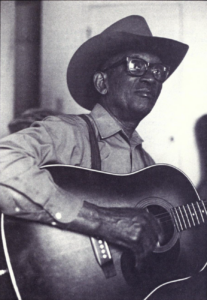
Lewis Van Hook, 1991. Photograph by Judith K. Dunning.
Lewis Van Hook, a member of the Singing Shipbuilders gospel quartet during World War II, gives his thoughts on life in Richmond over the years, mentioning the city’s experience with police brutality at the time of the interview in the early 1980s and the 1983 NAACP lawsuit against the City of Richmond in response to police behavior:
I think it’s still a good place to live, but I would say, in some ways, there’s lots of room for improvement. This problem that they’ve been having now with the police has been kind of disgusting. I think there needs to be some improvements both ways. . . .These lawsuits that they’ve been having—I don’t know, I think of it and think of both sides of it. I know you have some brutality on the police’s side. We’ve had some all right.
The interviews of this oral history project are vibrant and interesting, providing a wealth of information about life in the Bay Area during a time of massive population growth, industrial evolution, and urban development. The narrators for this project have unique perspectives on the changes that Richmond has experienced over the years, and many also share their hopes for the city’s future as well.
Shannon White
You can find the interviews mentioned here and all our oral histories from the search feature on our home page. Search by name, keyword, and several other criteria.
Shannon White is currently a third-year student at UC Berkeley studying Ancient Greek and Latin. They are an undergraduate research apprentice in the Nemea Center under Professor Kim Shelton and a member of the editing staff for the Berkeley Undergraduate Journal of Classics. Shannon works as a student editor for the Oral History Center.
Related Resources from the OHC and The Bancroft Library
Henry J. Kaiser pictorial collection: Approximately 150,000 items (photographic prints, negatives, and albums). Bancroft BANC PIC 1983.001-.075–PIC and other locations. See especially Richmond Shipyard workers.
About the Oral History Center
The Oral History Center of The Bancroft Library has interviews on just about every topic imaginable. You can find the interviews mentioned here and all our oral histories from the search feature on our home page. Search by name, keyword, and several other criteria. We preserve voices of people from all walks of life, with varying political perspectives, national origins, and ethnic backgrounds. We are committed to open access and our oral histories and interpretive materials are available online at no cost to scholars and the public.






 In the wake of President Truman’s Executive Order, the California state legislature began to introduce its own policies in opposition to potential communist activity in the government. These proposals would have given the state authority over the University of California in matters of loyalty, prompting the University of California administration to act in response to prevent infringement on the institution’s autonomy. Furthermore, the university was at this time also facing financial difficulties, with the state threatening to withhold funding for the university budget due to worries about subversive activity within its community. As a result of these mounting pressures, University President Robert G. Sproul proposed his own loyalty oath for university faculty and employees on March 25, 1949. The text of the oath approved by the Regents on June 24 was as follows: