Please save the date on your calendars for an exciting upcoming conversation-book talk (On Savage Shores : How Indigenous Americans Discovered Europe) for our community of UC Berkeley Library and affiliated staff and librarians. Date: February 6, 2024 Day: Thursday, Time: 12-1 pm (Pacific Time) 8 pm-9 pm UK Time
Free and Open to All with prior registration. If you need special assistance or accommodation, please contact Dr. Liladhar R Pendse, the event organizer.
About the Webinar: In this webinar, Professor Caroline Dodds Pennock(She/her) will discuss her book, On Savage Shores: How Indigenous Americans Discovered Europe. This book challenges the traditional Eurocentric view of the Age of Discovery by focusing on the Indigenous Americans who crossed the Atlantic to Europe after 1492. For centuries, history has taught that global history began when the “Old World” met the “New World” with Columbus’ arrival in the Americas. However, Caroline Dodds Pennock’s research reveals that, for many Indigenous people—Aztecs, Maya, Totonacs, Inuit, and others—Europe was the “New World.”
Collaged pages of Codex Mendoza. The Codex Mendoza is an Aztec codex, believed to have been created around the year 1541.These individuals, including enslaved people, diplomats, explorers, servants, and traders, saw Europe as a land of both wonder and cruelty, filled with vast wealth inequality, and strange customs. Their experiences, marked by abduction, cultural clashes, and loss, have been largely excluded from mainstream historical narratives. This book tells the untold stories of the Indigenous Americans who traveled to Europe, such as the Brazilian king who met Henry VIII, the Aztecs at the court of Charles V, or the Inuit displayed in London pubs. Pennock uses their stories and European accounts to reveal how these Indigenous people, though marginalized, left a lasting impact on European culture and society.
About the author
Professor Caroline Dodds Pennock (She/her) has been at the University of Sheffield since 2010, where they are known as one of the few British historians specializing in Aztec studies. Their current research, however, has expanded to include Indigenous histories in a global context, with a particular focus on the Atlantic world. Dr. Caroline Dodds Pennock recently published On Savage Shores: How Indigenous Americans Discovered Europe, which tells the stories of Indigenous Americans who traveled to Europe in the sixteenth century. These accounts, often involving abduction, loss, and cultural appropriation, have largely been overlooked in mainstream history.
Professor Caroline Dodds Pennock, University of Sheffield. Image Credit: University of Sheffield
Dodds Pennock, Caroline. On Savage Shores : How Indigenous Americans Discovered Europe / Caroline Dodds Pennock. First American edition. New York: Alfred A. Knopf, 2023.
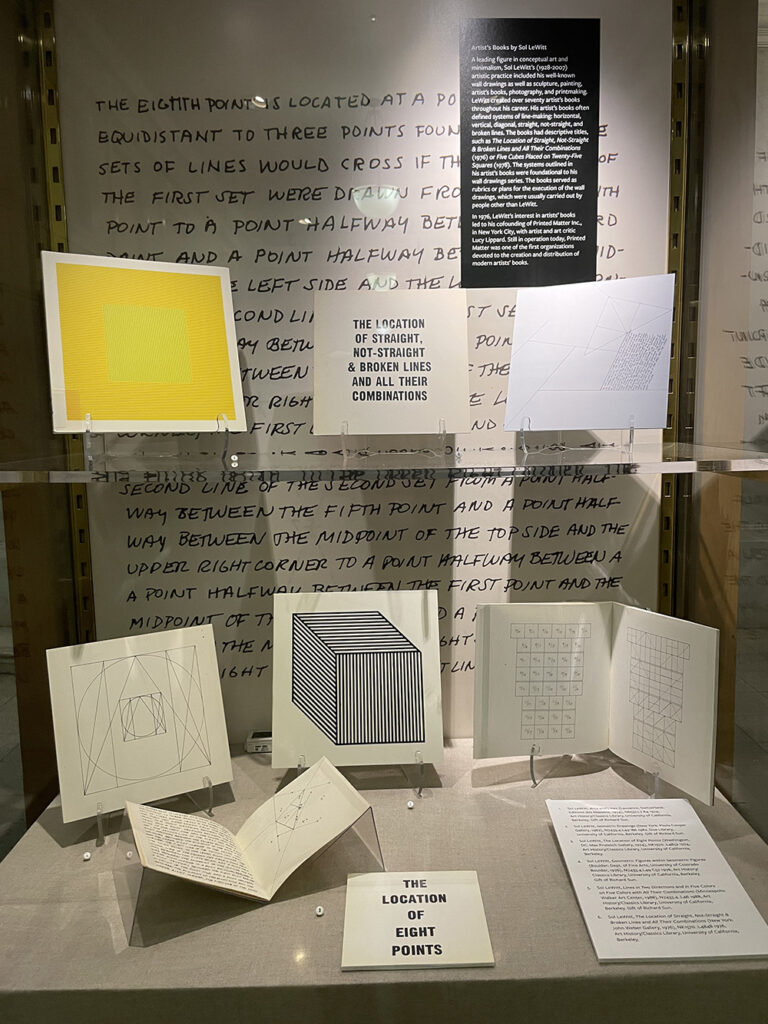
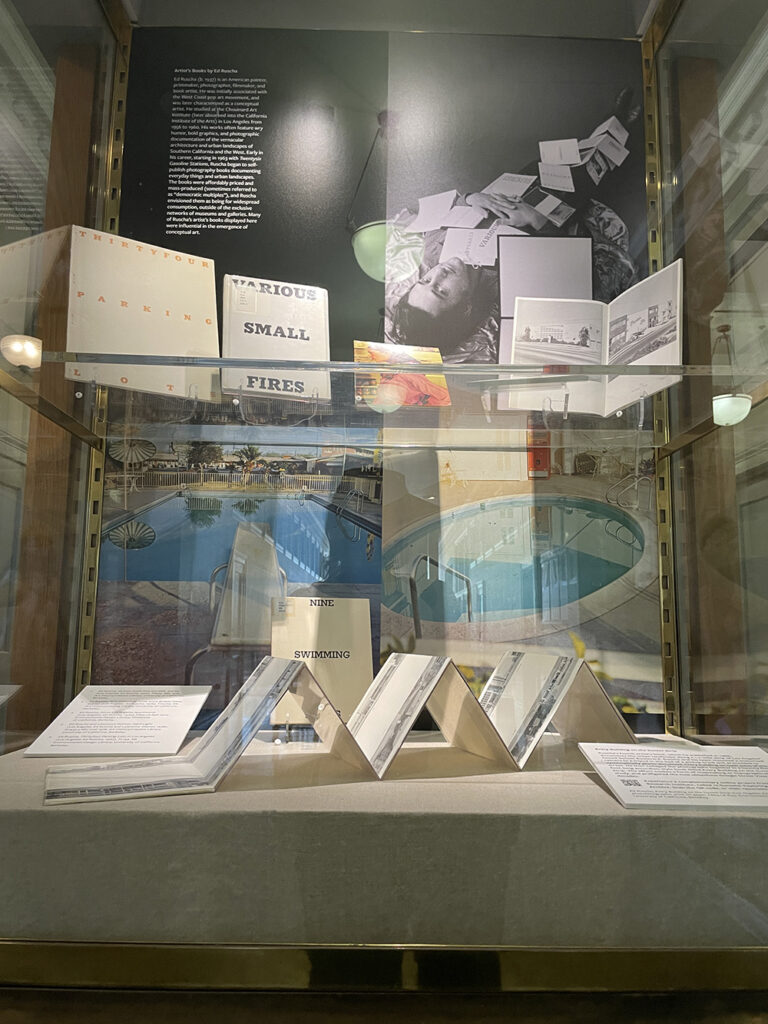
The Book as Art showcases a selection of artists’ books from the collections of the Art History/Classics and Environmental Design libraries. The selected items span several decades and include artists’ books from Ed Ruscha, Sol LeWitt, Kiki Smith, Jenny Holzer, and many more.
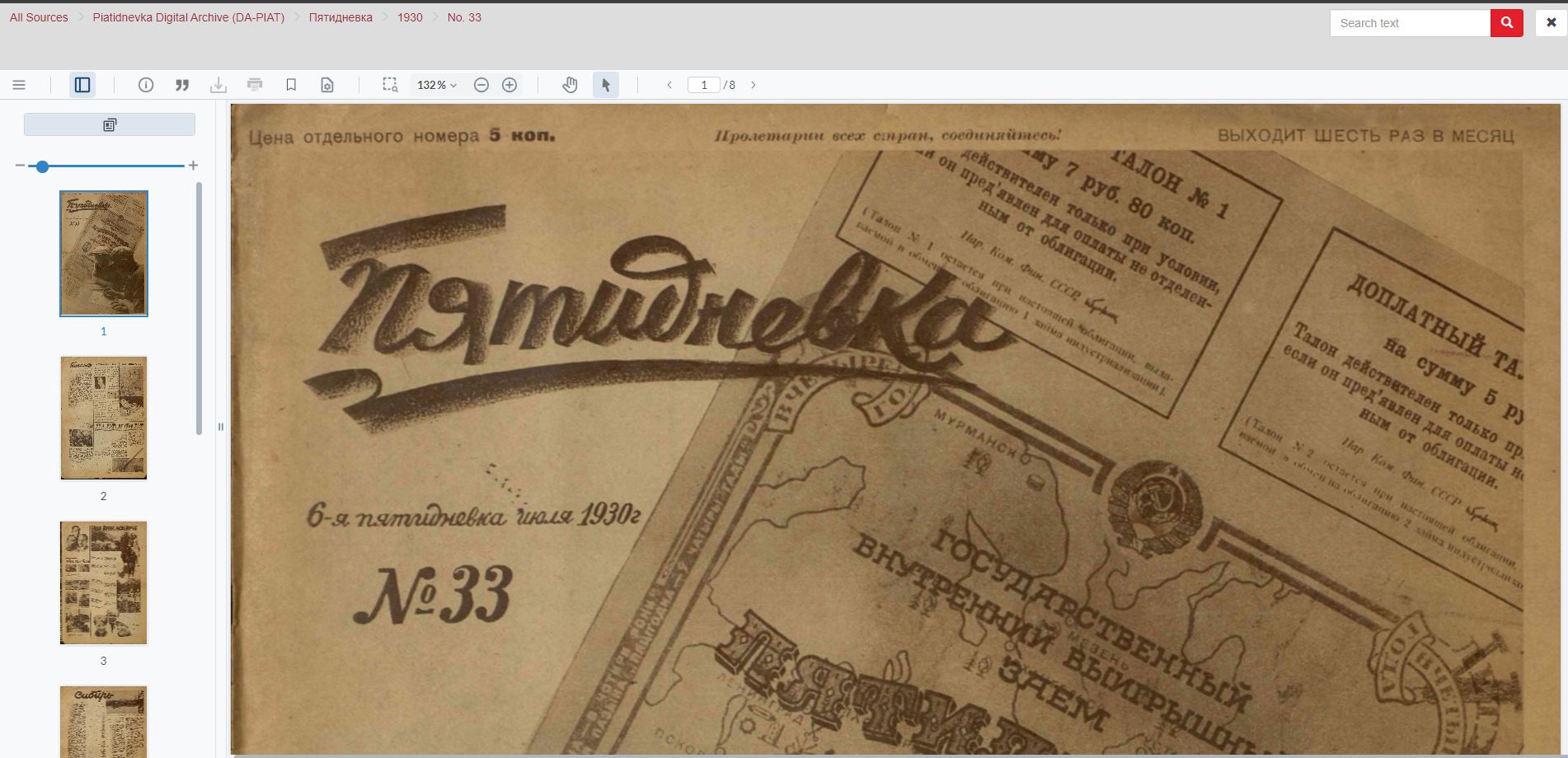
The UC Berkeley Library has started a trial of Piatidnevka Digital Archive. The trial will end on December 5, 2024. Please provide your feedback to your Librarian for Slavic, East European and Eurasian Studies at Lpendse at berkeley dot edu
The Piatidnevka Digital Archive is a valuable resource for researchers studying early Soviet history, particularly between 1929 and 1931. Published six times a month, this journal documents the Soviet Union’s brief experiment with a five-day workweek. The archive provides insight into the Soviet goal of replacing traditional societal norms with innovative approaches. It contains a wealth of visual and textual materials, including photographs, articles, editorials, and commentaries that offer firsthand perspectives on this significant period.
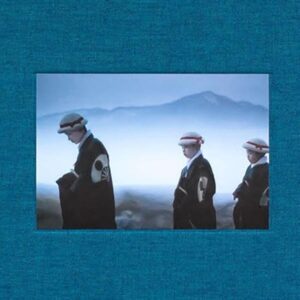
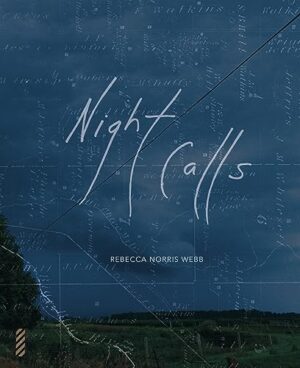
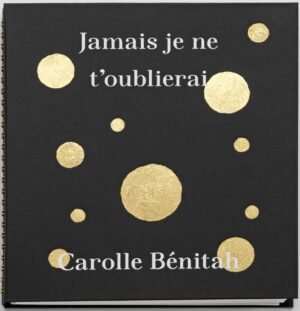
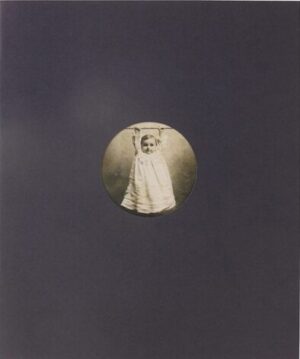
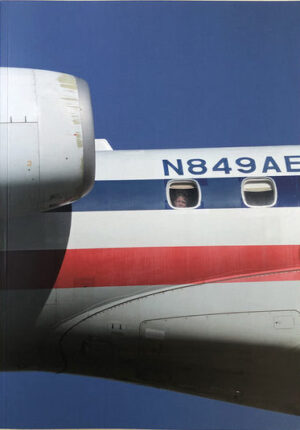
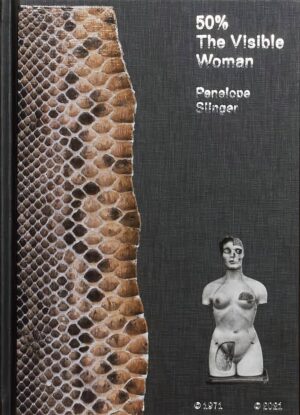
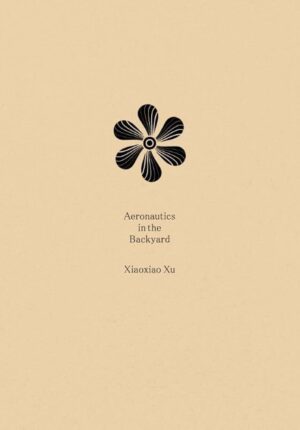
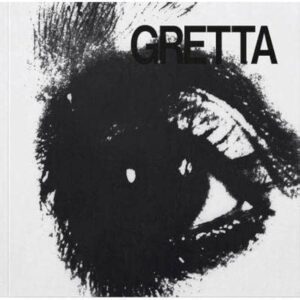
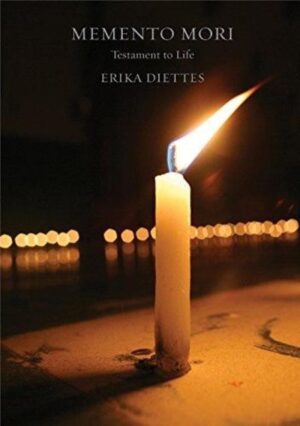
These rare books are part of a generous curated donation from Richard Sun. They may be viewed in the Art History/ Classics Library. Request them in advance as they may be stored off site.
Here are a selection of recently received donations of rare photobooks generously curated and donated by Richard Sun. They may be viewed in the Art History/ Classics Library. Please request in advance, as they may be located off site.
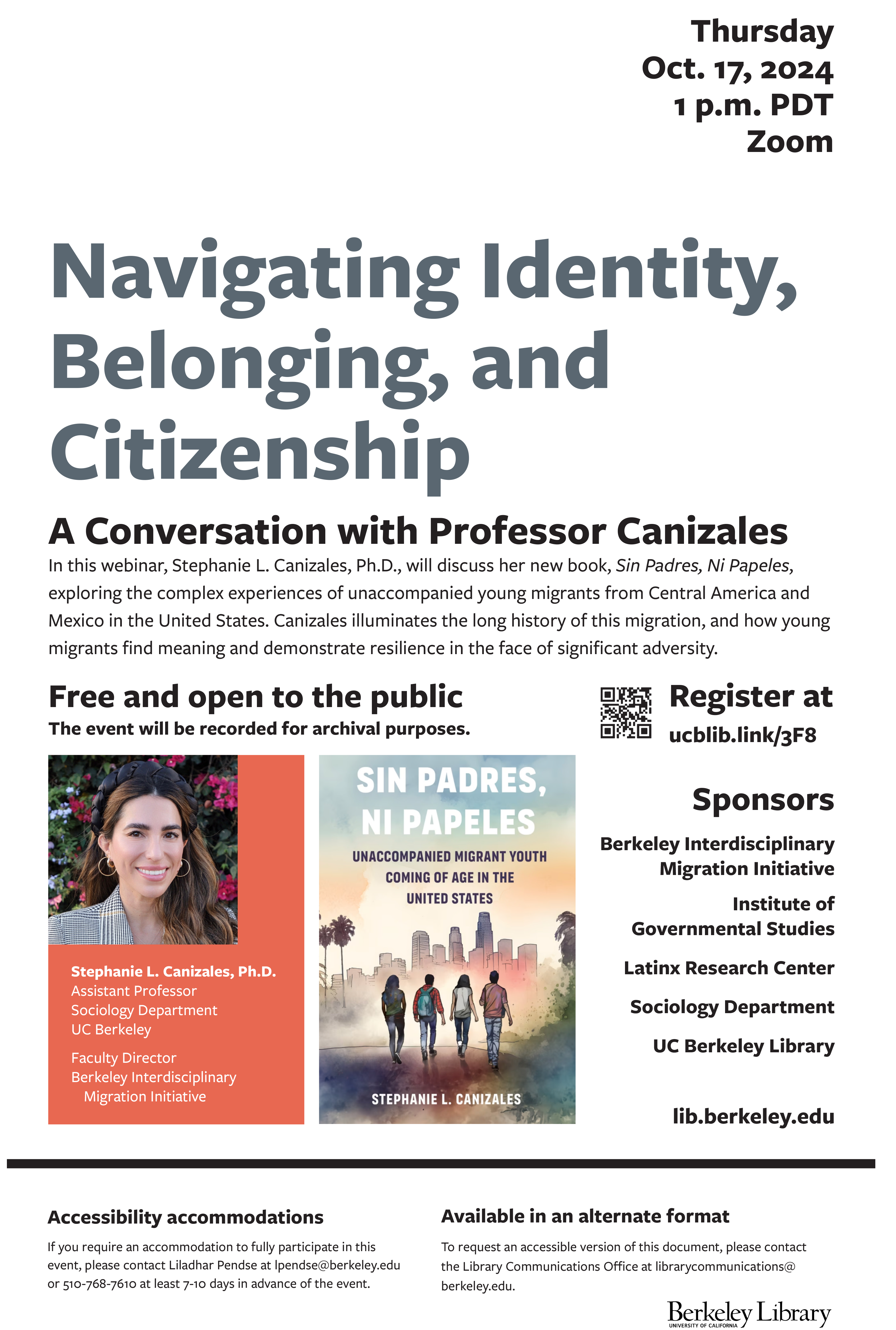
Navigating Identity, Belonging, and Citizenship: A Conversation with Professor Canizales
In this webinar, Stephanie L. Canizales, Ph.D., will discuss her new book, Sin Padres, Ni Papeles, which explores the complex experiences of unaccompanied young migrants from Central America and Mexico in the United States. Canizales illuminates the long history of this migration and how young migrants find meaning and demonstrate resilience in the face of significant adversity.
Assistant Professor
Sociology Department
UC Berkeley
Faculty Director
Berkeley Interdisciplinary Migration Initiative
Accessibility accommodations
If you require an accommodation to fully participate in this event, please contact Liladhar Pendse at lpendse at berkeley.edu or 510-768-7610 at least 7-10 days in advance of the event. Organizer: Dr. Liladhar R. Pendse
Available in an alternate format
To request an accessible version of this document, please contact the Library Communications Office at librarycommunications@berkeley.edu.
Navigating Identity, Belonging, and Citizenship: A Conversation with Professor Canizales
It is with deep sadness that we share the news that Harvey Sharrer, our dear friend and colleague and co-director of the Bibliografia de Textos Antigos Galegos e Portugueses (BITAGAP) for more than thirty-five years, died unexpectedly last month.
Harvey, Professor Emeritus at the University of California Santa Barbara, passed away at his home in Santa Barbara on September 12, 2024. His life was dedicated to teaching, academic research, and world exploration.
Born in Oakland, California in 1940 to Ruth Morehouse and Harvey Sharrer, he spent his formative years in Oakland and Danville, California, graduating from San Ramon Valley High School in 1958. His passion for foreign languages was ignited by his high school Spanish teacher, who inspired him to pursue language studies in college. After graduating from high school, Harvey took a summer course at the Monterey Institute of Foreign Studies and spent Fall quarter at the University of San Francisco. He then took a gap year to work with his father’s remodeling business, saving money for a transformative month’s-long European trip with a high school friend—an experience that kindled his lifelong love for world travel.
Returning to the U.S., Harvey earned his bachelor’s and master’s degrees in Spanish from UC Berkeley in 1963 and 1965, respectively, followed by a doctorate in Hispanic and Luso-Brazilian Literature from UCLA in 1970, with a dissertation on “The Legendary History of Britain from its Founding by Brutus to the Death of King Arthur in Lope García de Salazar’s Libro de las bienandanzas e fortunas.” Even before finishing his dissertation he had published a Critical Bibliography of Hispanic Arthurian Material, I: Texts: The Prose Romance Cycles (London: Grant & Cutler, 1977) in Alan Deyermond’s fundamental series of Research Bibliographies & Checklists. He spent his entire academic career at UC Santa Barbara, starting in 1968 as an Acting Assistant Professor and progressing steadily through the canonical ranks to full professor in 1981. He served as chair of the UCSB Department of Spanish & Portuguese in 1978-1981 and then again 2002-2003.
Dr. Sharrer was universally admired for his scholarship and the impressive breadth of his knowledge of medieval literature and culture, encompassing Arthurian literature, the medieval Romance lyric, and, increasingly, the digital humanities—a field in which he was a pioneer. He made significant scholarly contributions to our knowledge of medieval and early modern Portuguese, Galician, Spanish, and Catalan literatures. His expertise in Catalan was honed by the two years (1984-1986) he spent as the director of the Barcelona Study Center (U. of California and U. of Illinois), where he enjoyed the friendship of Vicenç Beltran and Gemma Avenoza, who would become colleagues in PhiloBiblon as the directors of the Bibliografia de Textos Antics Catalans (BITECA).
He collaborated on BITAGAP with his friends Arthur Askins and Martha Schaffer from its beginning in 1989 as one of PhiloBiblon‘s three constituent bibliographies, all three dedicated to uncovering and documenting the primary sources of the medieval Romance literatures of the Iberian Peninsula:
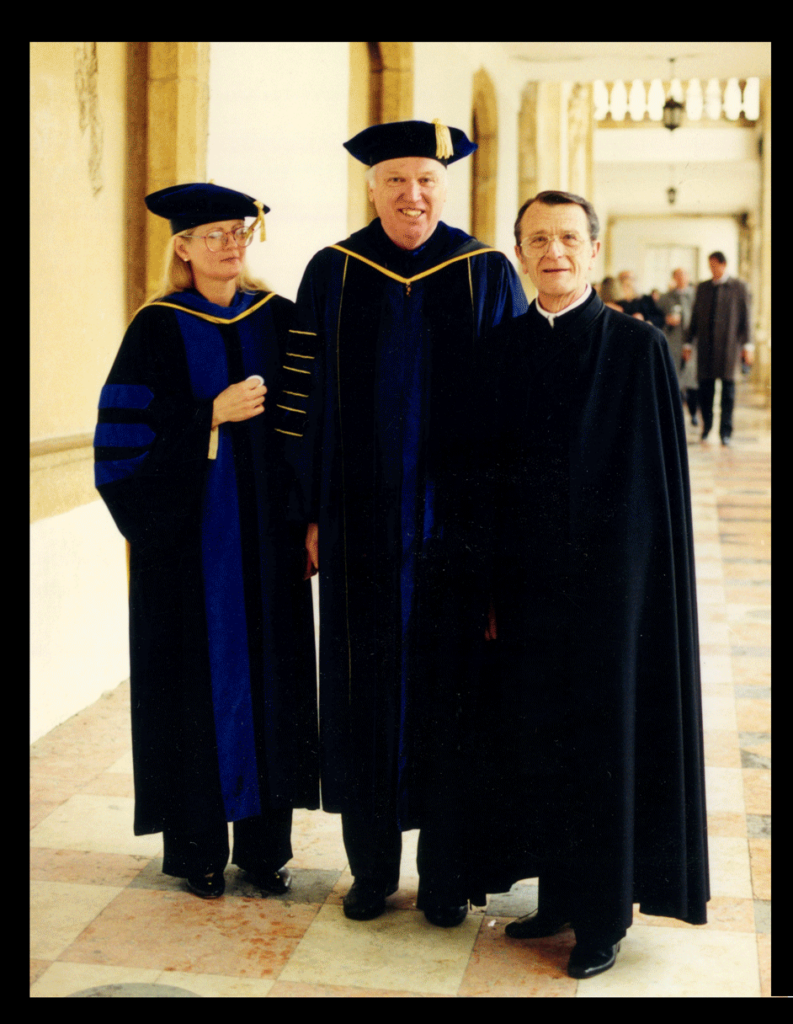
Martha Schaffer and Arthur Askins with Harvey Sharrer in Coimbra in 1999, on the occasion of the investiture of Askins as Doctor honoris causa of the Universidade de Coimbra.
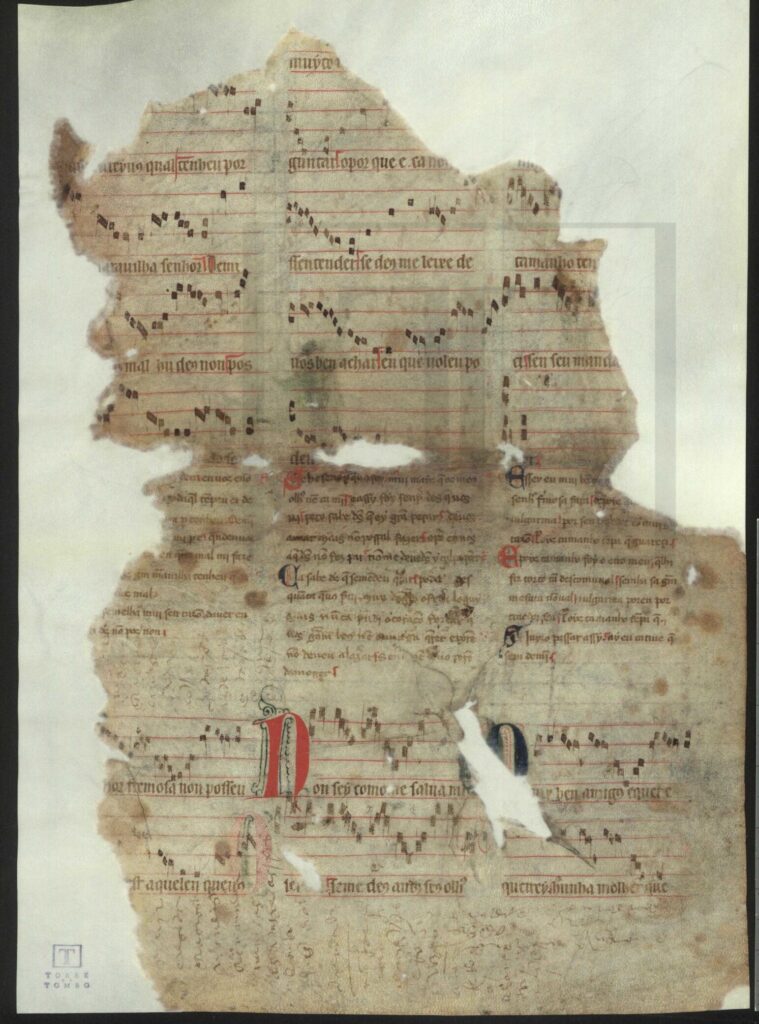
The three colleagues were indefatigable ratones de bibliotecas, systematically quartering Portugal, from Bragança in the north to Lagos in the south, in search of new manuscripts of medieval Portuguese and Galician texts. They found the richest collections, however, in Lisbon: the Biblioteca Nacional de Portugal, the Ajuda library, and Arquivo Nacional da Torre do Tombo. They and their Portuguese collaborators, especially Pedro Pinto and Filipe Alves Moreira, combed through those collections assiduously. Harvey’s most spectacular discovery, in 1990, was the eponymous Pergaminho Sharrer, a parchment fragment with seven lyric poems in Galician-Portuguese, with music, by King Dinis of Portugal (1278-1325) . It had been used as the cover of a bundle of 16th-c. documents in the Torre do Tombo, a not uncommon practice during the period.
Pergaminho Sharrer, with seven poems by King Dinis of Portugal, with music
Retirement came in 2011, but it did little to slow Harvey down. He continued to participate in conferences worldwide and, at UCSB, generously proofread articles for his former department. He remained a respected and admired scholar, mentor, and colleague throughout his life.
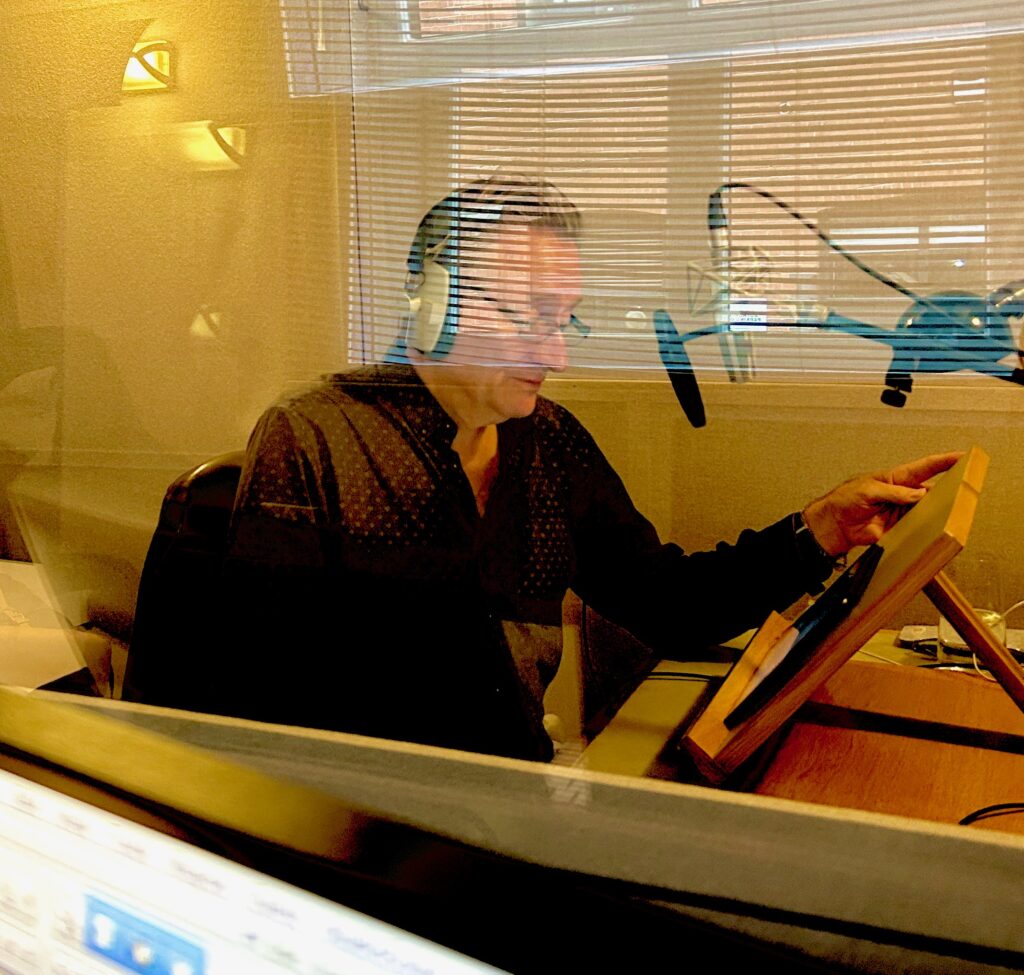
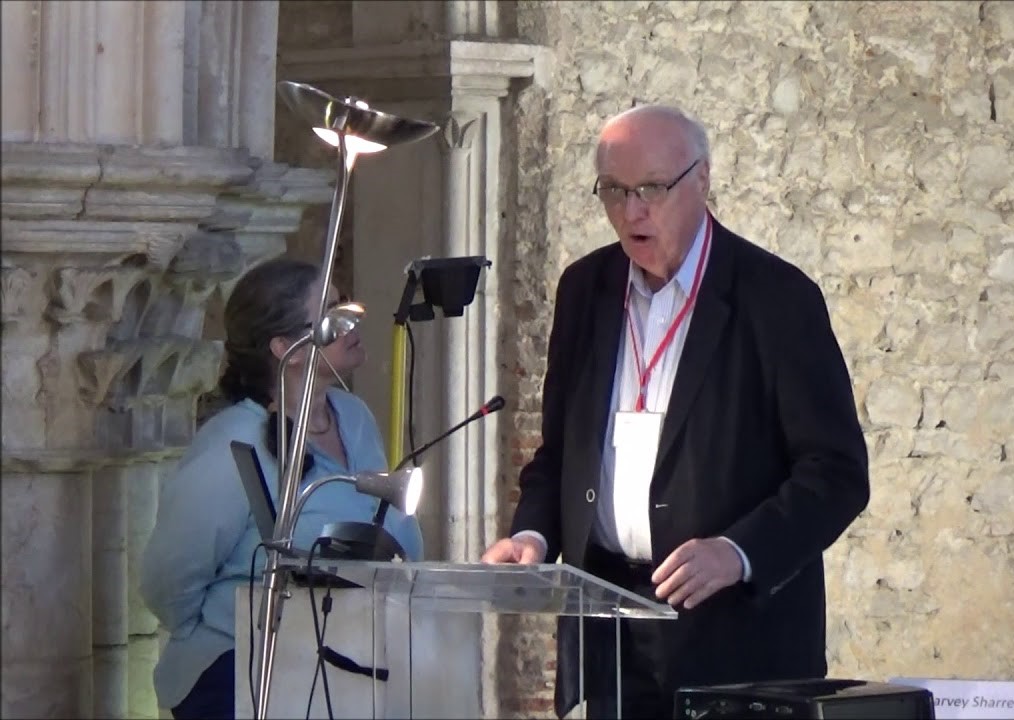
Harvey at the microphone
Harvey’s career was commemorated by a splendid volume of homage studies edited by Ricardo Pichel, “Tenh’eu que mi fez el i mui gran ben”. Estudos sobre cultura escrita medieval dedicados a Harvey L. Sharrer (Madrid: Silex, 2022):
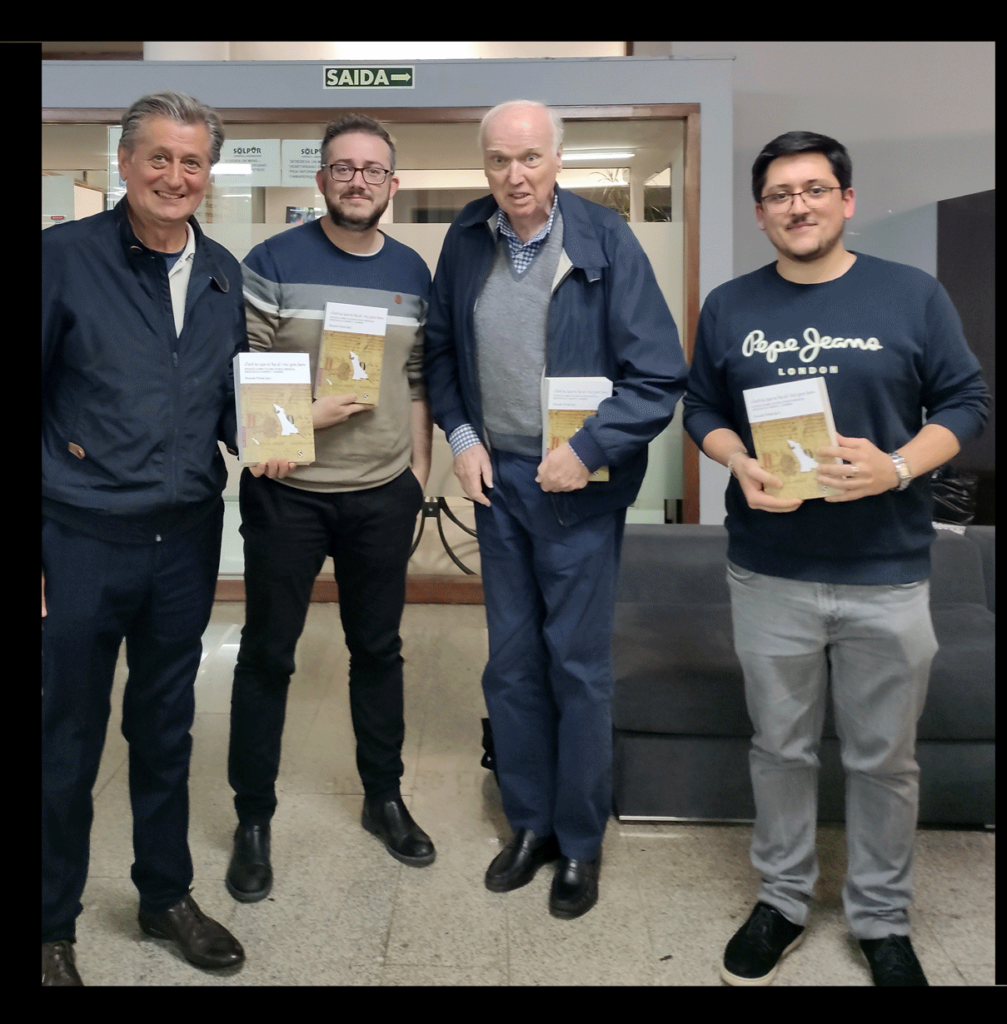
Presentation of the homage volume in Santiago de Compostela: (from left): Xavier Varela Barreiro, Ricardo Pichel, Harvey Sharrer, Miguel García-Fernández
Harvey Sharrer will be deeply missed for his extraordinary scholarship, his remarkable mentorship of and generosity toward students and young scholars, and his courteous and congenial personality, um cavaleiro da escola antiga. His work will continue to influence future generations of students and scholars. In recognition of his scholarly career and lasting impact on the Santa Barbara campus, the campus flag was lowered to half-staff on Wednesday, October 2.
Harvey, who never married and considered his scholarly career to be his life’s work, is survived by a sister, Elizabeth Porter, in Upland, California, a brother, William Sharrer, in Louisville, Kentucky, and several cousins, nieces, and nephews who will miss him dearly.
Harvey did not wish to have a formal memorial service, but rather planned to create an endowment in his name at UC Santa Barbara, to be called the “Harvey L. Sharrer Dissertation Travel Grants.” Plans for this endowment are going forward actively, and we will announce them opportunely. It will support future scholars in their research endeavors, particularly in the field of Ibero-Romance languages, reflecting Harvey’s lifelong passion and areas of expertise.
William L. Sharrer Elide V. Oliver Charles B. Faulhaber
In February 2023, Dr. Bridget Cooks and I had the pleasure of interviewing the Los Angeles-based visual artist and songwriter Richard Wyatt, Jr., for the Getty Research Institute’s African American Art History Initiative. Wyatt was a joy to interview, making us laugh constantly and sharing what he called Forrest Gump moments, where he was in the right place at the right time to meet and collaborate with celebrities of all stripes.
A little over a year after this delightful interview, Bridget and I were saddened to hear that Richard had passed away in May 2024. The world has lost a kind and funny man, as well as an talented artist, musician, educator, and thinker.
While I continue to mourn Richard’s passing, I also want to celebrate his life by highlighting the wonderful stories he shared in his oral history about life, art, music, and seeking new challenges.
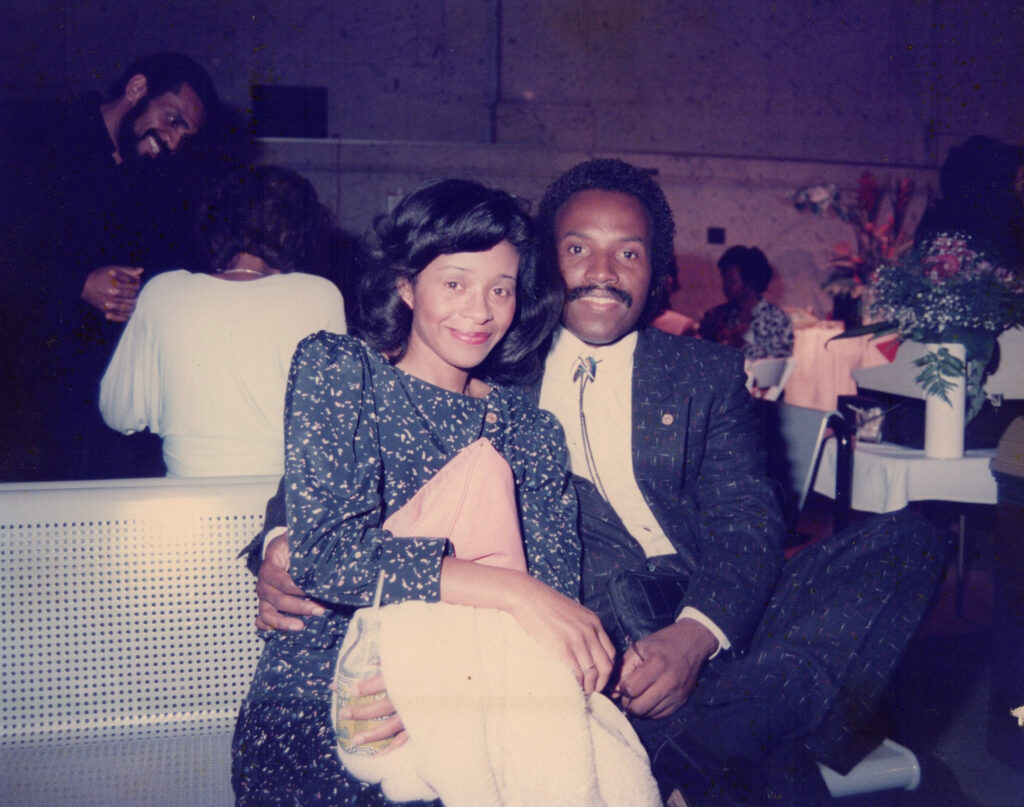
Joyce and Richard Wyatt, c. 1980s.
Richard Wyatt, Jr.,was an artist whose work includes drawings, paintings, installations, and public art. Wyatt was born in Lynwood, California, in 1955, and lived in the Los Angeles area his whole life. He began his art career early, winning the Watts Chalk-In at twelve years old, and then studying at the Watts Towers Art Center, the Chouinard Art Institute, and the Tutor/Art Program with artist Charles White. Wyatt attended the University of California, Los Angeles, where he earned a BFA in art. Some of his best-known work in Los Angeles includes the mural Hollywood Jazz: 1945-1972 on the Capitol Records Building; the mural City of Dreams, River of History in Union Station; and the installation Ripple of Hope at Robert F. Kennedy Inspiration Park. Wyatt taught drawing and painting at the University of California, Irvine; the Otis Art Institute; and the Watts Towers Art Center. He also had a career as a songwriter, writing songs for musicians like The Miracles, The Sylvers, and New Edition.
One thing that continues to strike me about Richard is the indelible mark he has left on the world—and I mean that literally. Some of Richard’s best-known work was his public art, which adorned buildings and other public places in the Los Angeles area and beyond. For this reason, Bridget found interviewing Richard almost surreal. In the oral history, she explained, “…your work is part of my Los Angeles,” for indeed, Richard’s public art shaped the city in which she grew up. After our first day of interviews, Cooks and I drove around Downtown Los Angeles, pointing out and visiting sites where Richard’s work dotted the landscape: Union Station, Robert F. Kennedy Inspiration Park, the Capitol Records Building, and on and on.
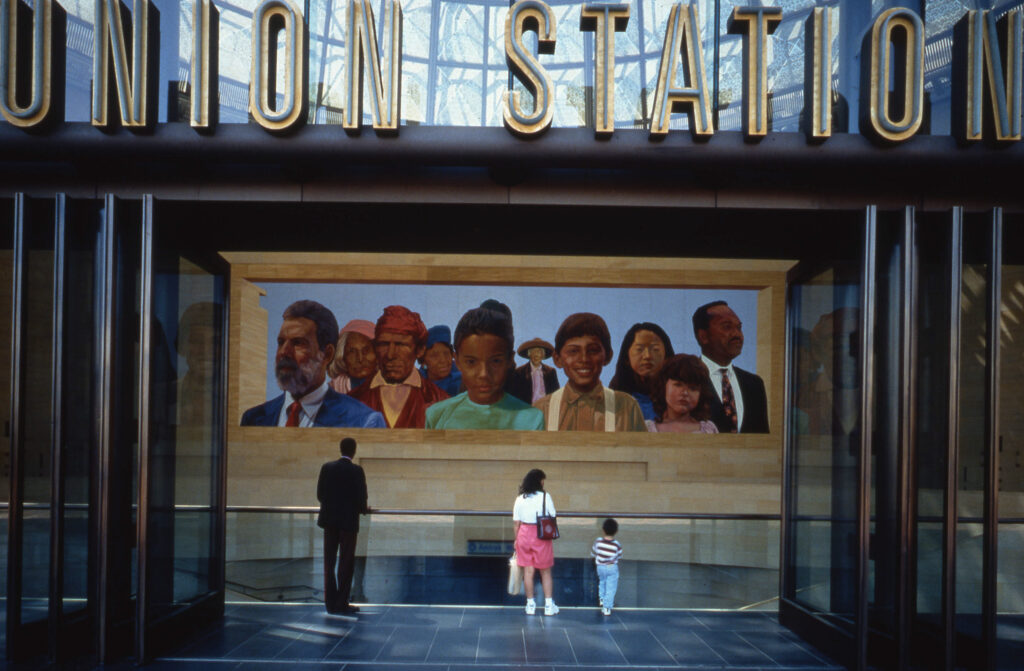
“City of Dreams, River of History” mural by Richard Wyatt, Jr., Eastern Lobby of Union Station, 1996. This mural was part of a larger collaboration with artist May Sun and architect Paul Diez.
One of Richard’s most famous murals, Hollywood Jazz: 1945-1972, remains on the Capitol Records Building, although he later replaced the paint on this south-facing exterior wall with ceramic tile to combat the ravages of the sun. When Richard accepted the commission for this work, it was the perfect blend of his love of visual art and his passion for music. In this mural, he memorialized jazz greats, such as Billie Holiday, Ella Fitzgerald, Miles Davis, and Nat King Cole. And in one of those Forrest Gump moments, Richard met musician Bonnie Raitt on site at the Capitol Records Building during his original installation. Listen as Richard recounted this moment:
Richard also mused about the role of an artist after unveiling a work of public art, sharing his thoughts on the impact of his public work: “…you can’t control it…Once it’s out there, it’s out there. People are going to interpret it and take pictures.” And while we spoke about the joys of creating art for wide public consumption, Richard also acknowledged some of the challenges inherent in this work. Listen as Richard shared about some of his public art work with collaborator and fellow artist May Sun:
Richard’s talent also extended to music, and resulted in a prolific career as a songwriter for musical artists such as The Miracles, The Sylvers, Peaches & Herb, Tavares, Johnny Gill, and New Edition. Richard wrote his first song, “Keep on Keepin’ On (Doin’ What You Do)” for The Miracles when he was just eighteen years old. But for Richard, visual art and music were always intertwined, as he experienced synesthesia, a sensory condition in which, among other things, allows some people see colors when they hear music. Richard explained his synesthesia this way:
“I didn’t even know that term until somebody else told me…When I’m writing, that’s one thing. But once I start arranging it and getting the bass and guitar, and then you get strings and horns, there are certain sounds that have a color associated with them. I can’t explain it, but…I see colors once I hear a certain sound, you know? And when I’m creating the arrangements, or even mixing or whatever, and I’m going for a certain effect, it’s like once you get mixing, to me it’s like glazing in oil. That’s the easiest way I can explain it.”
Richard was a child prodigy who burst into the art world when he was twelve years old, rubbing elbows with more experienced art world talents like Charles White, John Riddle, George Evans, and Bill Pajaud. Yet, Richard carved out a career all his own. And while he left us too soon, Richard’s art lives on. To celebrate this remarkable man and artist, I suggest spending time in Downtown Los Angeles and experiencing the work of Richard Wyatt, Jr., for yourself.
To learn more about Richard Wyatt, Jr.’s, extraordinary life and work, explore his oral history!
About the Oral History Center
The Oral History Center of The Bancroft Library preserves voices of people from all walks of life, with varying political perspectives, national origins, and ethnic backgrounds. We are committed to open access and our oral histories and interpretive materials are available online at no cost to scholars and the public. You can find our oral histories from the search feature on our home page. Search by name, keyword, and several other criteria. Sign up for our monthly newsletter featuring think pieces, new releases, podcasts, Q&As, and everything oral history. Access the most recent articles from our home page or go straight to our blog home.
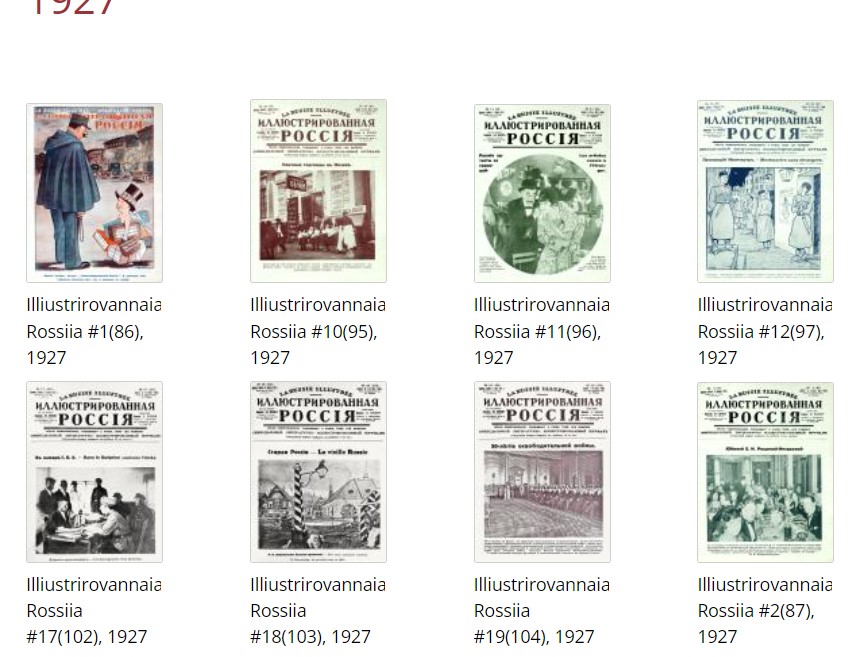
The page of all the issues for 1927 of Ilustrirovannaia Rossiia Journal.
About the journal:
Illiustrirovannaia Rossiia was a literary and illustrated weekly magazine published in Paris from 1924 to 1939. The journal was aimed mainly at the growing community of Russian immigrants who had left Russia after the Bolshevik Revolution. Thus, Illiustrirovannaia Rossiia offers a unique fund of linguistic and visual representations, providing an indispensable insight into Russian cultural life in exile.
The Illiustrirovannaia Rossiia Digital Archive offers this influential journal’s exhaustive and meticulously digitized collection. This archive is an indispensable research resource with 748 issues and over 21,000 pages.
Key features include:
Comprehensive page-level digitization
Faithful reproduction of original graphics
Enhanced search capabilities
Seamless cross-searching with East View’s extensive digital portfolio

![A Collage of pages of Codex Mendoza. The Codex Mendoza is an Aztec codex, believed to have been created around the year 1541.[1] It contains a history of both the Aztec rulers and their conquests as well as a description of the daily life of pre-conquest Aztec society. The codex is written using traditional Aztec pictograms with a translation and explanation of the text provided in Spanish. It is named after Don Antonio de Mendoza (1495-1552), the viceroy of New Spain, who supervised its creation and who was a leading patron of native artists.](https://update.lib.berkeley.edu/wp-content/uploads/2025/01/imgonline-com-ua-twotoone-Ddaw07KdHVpPXVF-scaled.jpg)