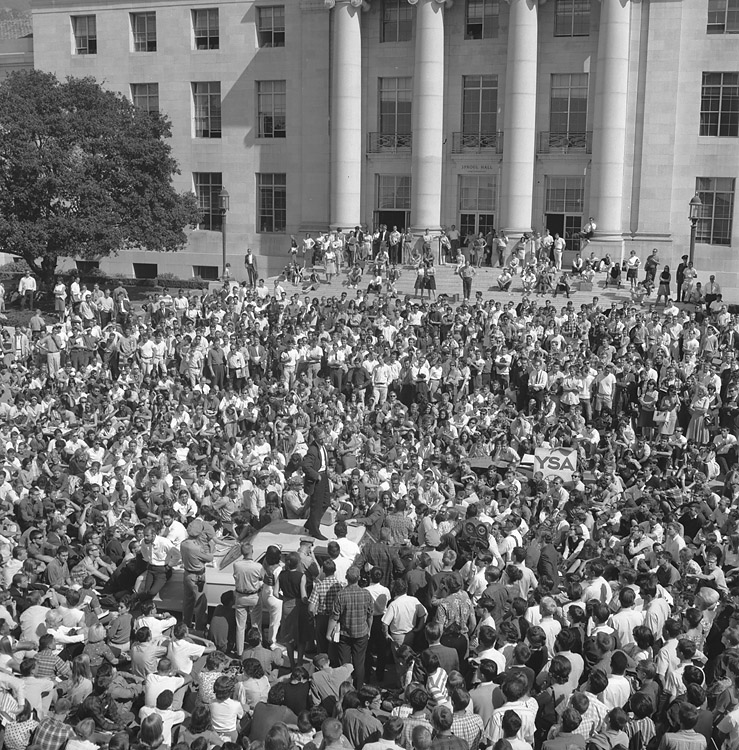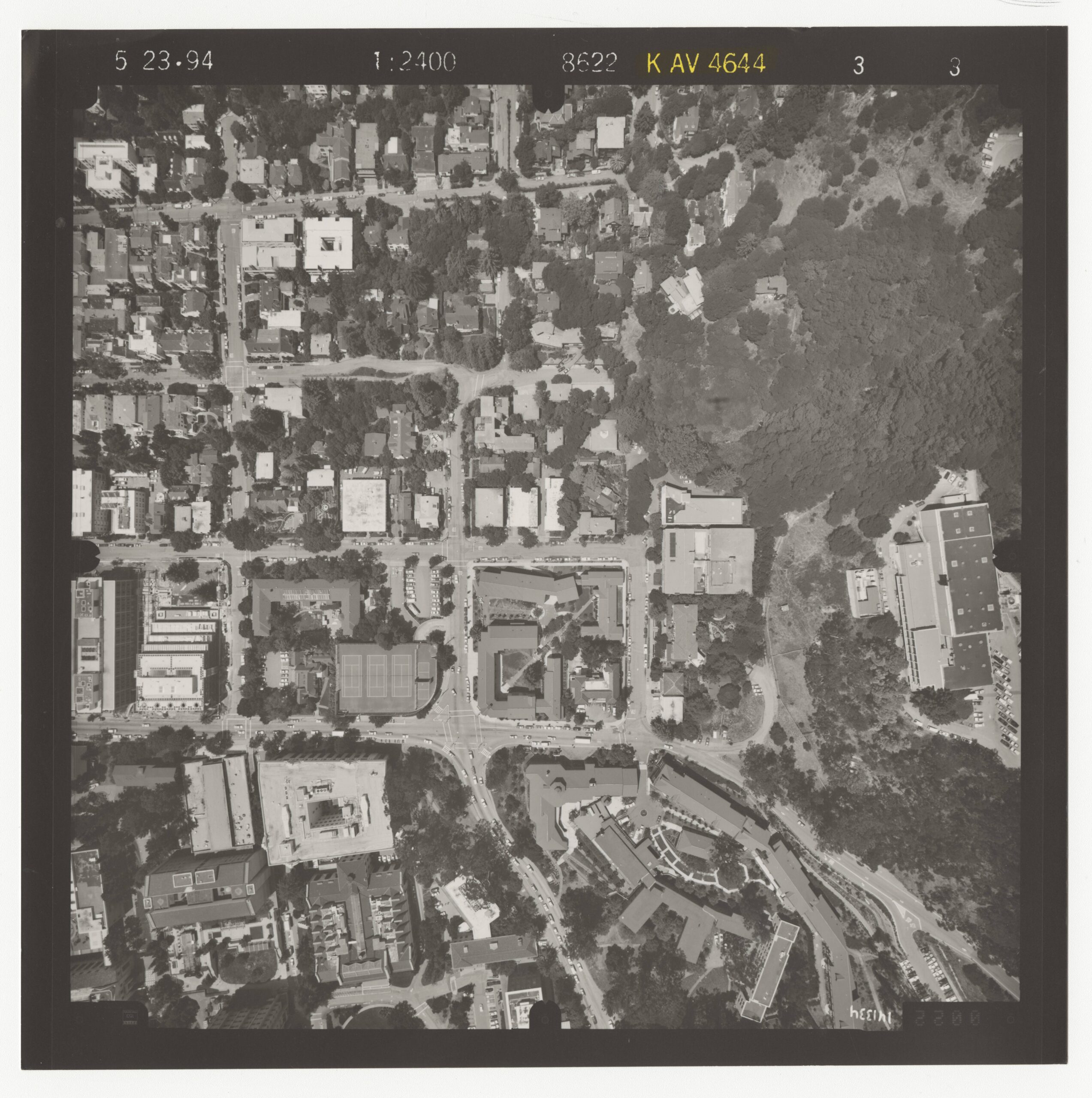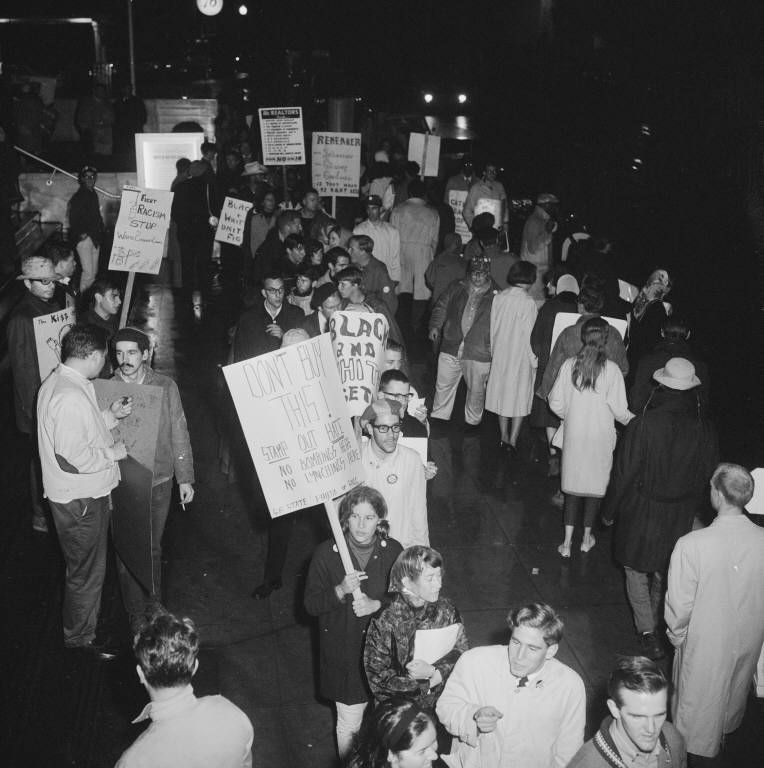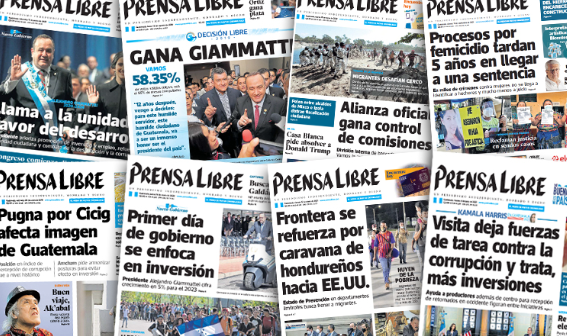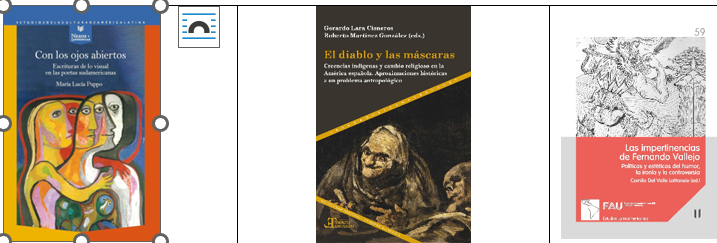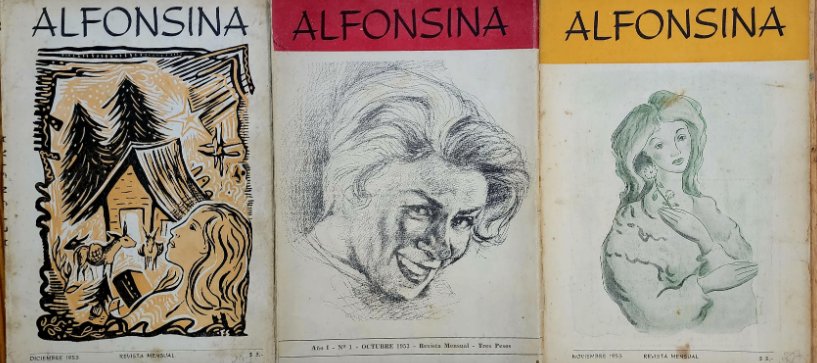
The Library now has access to all five modules of Colonial America, a digital archive produced by AM (formerly Adam Matthew Digital). This resource provides an extensive collection of primary source documents related to the history of Colonial America, spanning from the 16th to the 18th century. The resource offers a comprehensive collection of materials that includes correspondences, diaries, maps, pamphlets, and other types of documents. These sources provide valuable insights into the social, political, and economic aspects of life during the colonial period in North America.
The Library has recently acquired access to The Amnesty International Archives, which “publishes the records of Amnesty International from the second half of the twentieth century. The material contains minutes, reports, correspondence, first-hand accounts, publicity materials and circulars relating to human rights violations of all kinds in all parts of the world. Amnesty International’s remit of campaigning for an end to human rights abuses means that this archival material inherently relates to the themes of oppression, cruelty and degradation.” (Source)
Some of the collections include documents from outside the organization.
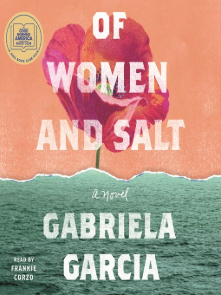
Celebrate Pride Month with our handpicked selection of books by LGBTQ+ authors and characters! Discover powerful stories that shine a light on diverse identities and experiences in the LGBTQ+ community and check out more at our Overdrive.
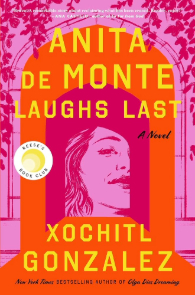
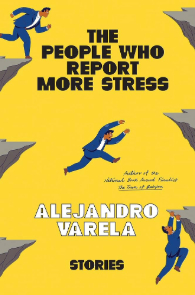
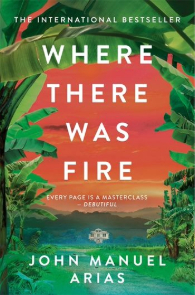
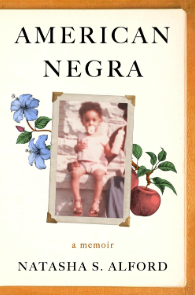
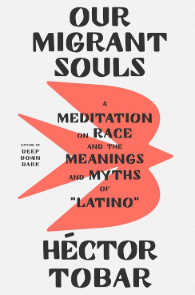
Dive into AAPI Month with our lineup of awesome books by Asian American & Pacific-Islander authors and characters! Get ready to explore their unique stories and perspectives, celebrating the richness of their culture, and find more at UCB Overdrive.
The Library has acquired access to Egypt and the Rise of Nationalism, an online collection of British government documents “that capture and reflect an era spanning from the first appearance of a nationalist sensibility to its gradual entrenchment in public life through protests, journalistic agitprop, lobbying activities, sporadic violence, and then — almost as a denouement — through an ordered political process, in the context and perspective of Britain’s evolving policy regarding Egypt.” (source)
The resource includes more than 4000 primary source documents dating from the 1870s until approximately 1924.
Public Housing, Racial Policies, and Civil Rights: The Intergroup Relations Branch of the Federal Public Housing Administration, 1936-1963 includes directives and memoranda related to the Public Housing Administration’s policies and procedures. Among the documents are civil rights correspondence, statements and policy about race, labor-based state activity records, local housing authorities’ policies on hiring minorities, court cases involving housing decisions, racially-restrictive covenants, and news clippings. The intra-agency correspondence consists of reports on sub-Cabinet groups on civil rights, racial policy, employment, and Commissioner’s staff meetings.
For a better understanding of the scope and arrangement of this colletion, consult the guide that was created for the original microfilm publication.
Starting in the late nineteenth century, in direct response to the Industrial Revolution, forces in social and political spheres struggled to balance the good of the public and the planet against the economic exploitation of resources. Environmental History: Conservation and Public Policy in America, 1870–1980 chronicles various responses in the United States to this struggle through key primary sources from individual activists, advocacy organizations, and government agencies.
Collections Included
Papers preserved at Yale University of George Bird Grinnell, a founding member of the Boone and Crockett Club, one of the earliest American wildlands preservation organizations; a founder of the first Audubon Society and New York Zoological Society; and editor for 35 years of the outdoorsman magazine Forest and Stream, which played a key role as an early sponsor of the national park movement and Migratory Bird Treaty Act of 1918.
Records housed at the Denver Public Library of the American Bison Society, an organization that sought to save the American bison from extinction and succeeded as the first American wildlife reintroduction program.
Also housed at the Denver Public Library, the papers of key women conservationists, such as Rosalie Edge and Velma “Wild Horse Annie” Johnston. Edge formed the Emergency Conservation Committee to establish Hawk Mountain Sanctuary (the first preserve for birds of prey), clashed with the Audubon Society over its policy of protecting songbirds at the expense of predatory species, and was a leading advocate for establishing the Olympic and Kings Canyon national parks. Johnston worked to end the capture and killing of wild mustang horses and free-roaming donkeys and lobbied to protect all wild equine species.
Documents held at various institutions of the “father of forestry” Joseph Trimble Rothrock, who served as the first president and founder of the Pennsylvania Forestry Association and Pennsylvania’s first forestry commissioner. Rothrock’s work acquiring land for state parks and forests illustrates the role of key actors at state and regional levels.
Project histories and reports of the U.S. Bureau of Reclamation from the National Archives and Records Administration, chronicling the bureau’s work on projects including Belle Fourche, South Dakota; Grand Valley, Colorado; Klamath, Oregon; Lower Yellowstone, Montana; Shoshoni, Wyoming; and more.
Select gray literature on conservation and environmental policy from the Institute of Governmental Studies Library at the University of California at Berkeley. This vast array of documents issued by state, regional, and municipal agencies; advocacy organizations; study groups; and commissions from the 1920s into the 1970s cover wildlife management, land use and preservation, public health, air and water quality, energy development, and sanitation.
By White House Staff Photographers. Public Domain, https://commons.wikimedia.org/w/index.php?curid=546670
Full text access to the FBI’s file on the assassination of Martin Luther King, Jr. is available on the GALE platform. “The 44,000-page case file … documents the bureau’s role in finding Ray and obtaining his conviction. The file also includes background information amassed by the FBI on Dr. King’s social activism.”
Black Freedom Struggle in the 20th Century: Federal Government Records, on the Proquest platform, includes the two FBI files on Martin Luther King, Jr. Part 1
“details the heavy surveillance and painful harassment that J. Edgar Hoover’s FBI directed against America’s foremost civil rights leader throughout the 1960s.” Part 2 consists of verbatim transcripts and detailed summaries of telephone conversations between King and one of his most trusted confidants, Stanley D. Levinson.
The San Francisco Bay Area is known for the kind of environmental advocacy that has become a model for regions around the country. There’s a long legacy, spanning decades, of people behind this work. Greg Moore is one of these people. Greg has dedicated his career to conserving public lands and making parks accessible for all. He, too, has become a model, someone to whom people throughout the country – and world – look for guidance.
Greg Moore in 2018
Greg served as the executive director of the Golden Gate National Parks Conservancy from 1986 until his retirement in 2019. The GGNPC was founded in 1981 and its mission is to preserve the Golden Gate national parks, enhance the park visitor experience, and build a community dedicated to conserving the parks for the future. But his work in the environmental sector began long before 1986, dating back to his time as a student at UC Berkeley in the newly-formed Conservation of Natural Resources School and College of Environmental Design, during the environmental decade of the 1970s when the Environmental Protection Agency was formed and regulatory laws, like the Clean Water Act, were passed. And even before that, when he was a ranger with the National Park Service.
I had the privilege of sitting down with Greg in 2022 to interview him about his life and work. In preparation for the sixteen hours I would end up spending with him, I spoke with a number of people who know him in different capacities – former fellow National Park Service rangers; as well as Conservancy board members, employees, and donors. One thing was clear: Greg is universally respected for his work and his collegiality. I kept hearing about how, as both a colleague and manager, he listened to people and carefully considered their perspectives. About how, as the executive director of the Conservancy, he wrote heartfelt letters to board members each year, letters that they all not only save, but cherish. About how he would write and perform in an annual musical parodying popular songs for year-end parties.
But what struck me the most was how present Greg was during each phase of our interview sessions. Whether we were discussing how he developed a love for music as a child; his studies at Cal and then later at the University of Washington; meeting his wife, Nancy, and raising their son; or his love for parks; the development of his career; managing a large staff and multi-million dollar fundraising campaigns; and working to make parks accessible for all, Greg took every question I asked seriously, responding sincerely and weaving in humor throughout.
Greg is perhaps best known for his work with the Conservancy. He played a role in the creation of the organization, which he discussed in more detail in his oral history, before becoming the executive director. There are an incredible array of projects on which he worked during his tenure with the Conservancy, like various habitat restorations, converting the Presidio from an Army base to a park, transiting Fort Baker from a military base into a national park, promoting citizen science through the Golden Gate Raptor Observatory, transforming Crissy Field into one of San Francisco’s crown jewels and creating the beloved Crissy Field Visitor Center, developing community partnerships and youth programs, and shepherding the Tunnel Tops project into existence. The list goes on.
The underlying theme of each of these projects was the drive to make parks accessible for everyone. “Parks for All” is the beating heart of the Conservancy’s mission. Here’s what Greg said about the origin of the mission:
“The ‘Parks For All’ came when the Conservancy was trying to think through how to simply and straightforwardly describe our mission. The Conservancy had a mission statement, but like many it was probably twenty-five to thirty words long, and I began thinking about how to put that in simple words that were very direct and, in some way, have the power-of-three impact. That’s when I began thinking, Well, of course, we’re about ‘parks.’ These are the physical places that we need to transform and enhance. Then we’re about ‘for all’ because these places are owned by every person in the United States as national parks, and then our final responsibility is ‘forever’ – to pass them from one generation to the next. It not only summarized our mission but almost described a theory of change that first you have the places and to make them for all youth to improve and enhance them. You have an opportunity to engage people in their enjoyment, in their stewardship, in their contributions for all, and then finally all the restoration work that cares for these places that you’ve enhanced and taken care of.”
Greg wanted to make sure people were aware that the parks existed, they felt comfortable there, and that they were relevant to the visitor’s life experience. He did this by bringing communities into planning conversations, implementing a bus route that would drive people from their neighborhoods to the parks and then back again, partnering with public libraries, and creating a multitude of programs – for kids, related to art, and citizen science for civilian park goers. Greg’s commitment to the Conservancy’s simple mission is what made the organization so successful and such an integral part of life in the Bay Area. And Greg’s interest in working with communities and listening to people – his colleagues, board members, donors, and park users alike – is what has made him such a towering figure in the Bay Area’s environmental movement.
“TOPAZ” by Emily Ehlen, a graphic illustration based on oral histories recorded in the Oral History Center’s Japanese American Intergenerational Narratives project
In April 2024, Oral History Center (OHC) interviewers Amanda Tewes, Shanna Farrell, and Roger Eardley-Pryor traveled to Salt Lake City, Utah, where we presented our work on the Japanese American Intergenerational Narratives Project at the annual meeting of the National Council on Public History (NCPH). We also joined a pilgrimage to the central desert of Utah along with other public historians and several members of the Wakasa Memorial Committee, including survivors and descendants of the Topaz prison camp in Utah, one of the ten US government mass incarceration sites where Japanese Americans were unjustly imprisoned during World War II. Our experiences in Utah at NCPH and at Topaz reiterated how history remains a powerful and living force, and how oral history can help promote that power. Difficult questions about “belonging” appear throughout many of the oral histories in OHC’s Japanese American Intergenerational Narratives project, and those same questions punctuated much of our time in Utah this past April.
Program cover for the annual meeting of the National Council on Public History held in Salt Lake City, Utah, from April 10-13, 2024.
“Historical Urgency” was the conference theme for this year’s meeting of the National Council on Public History (NCPH) in Salt Lake City, where some 740 attendees presented, networked, and learned together. Presentation topics included community engagement, particularly with communities whose histories face urgent existential threats; communicating the critical importance of history and historical thinking; discourse and dialogue in a time of extreme social polarization; exploration of oral history, especially the collection of oral histories from older generations; and repatriation of human remains and cultural objects. As noted by NCPH president Kristine Navarro-McElhaney, conference discussions highlighted how historians’ work for public audiences remains essential to the fabric of our society, especially during this time of political and cultural polarization—and yet historical perspectives, tools, and history workers themselves have increasingly come under threat. While urgency may seem in opposition to the often slow and deliberate work that oral historians and other public historians do to build trust and lasting relationships with the communities we serve, many of us cannot help but feel a strong sense of urgency and importance in our efforts to collaboratively excavate the past and elevate community stories in ways that help make meaning in the present.
Left to right: OHC interviewers Roger Eardley-Pryor, Shanna Farrell, and Amanda Tewes, and Executive Director of the Japanese American Museum of Oregon Hanako Wakatsuki-Chong at the 2024 NCPH conference in Utah
We felt especially honored to share at this NCPH our work on the Japanese American Intergenerational Narratives Project. Our roundtable presentation recounted the project’s origins, the trauma-informed interviewing approach we used with these oral histories, and some of emergent themes from the project’s interviews, like “belonging,” “art and expression,” “healing,” and “memorialization.” The roundtable’s discussion was moderated by Hanako Wakatsuki-Chong, the Executive Director of the Japanese American Museum of Oregon and a former National Park Service Ranger who recorded her own oral history as part of the project. Nancy Ukai and Masako Takahashi, both of whom also recorded oral histories as part of the project, attended and also presented at the NCPH conference in Utah, where they heard portions their own oral history interviews during our presentation. Our presentation included audio clips from season 8 of The Berkeley Remix podcast, “From Generation to Generation”: The Legacy of Japanese American Incarceration,” as well as graphic narrative artwork by Emily Ehlen, all based on oral histories recorded for the Japanese American Intergenerational Narratives Project.
Masako Takahashi and Roger Eardley-Pryor at the Pictures of Belonging exhibit at the Utah Museum of Fine Arts
Relatedly, during the NCPH conference, I (Roger Eardley-Pryor) joined other public historians for a tour of the Utah Museum of Fine Arts on the University of Utah campus to see a new exhibit titled Pictures of Belonging: Miki Hayakawa, Hisako Hibi, and Miné Okubo. The exhibition was curated by Professor ShiPu Wang of UC Merced and features over 100 paintings and works on paper by these three Japanese American women artists, all critically acclaimed with long and productive careers. Yet during World War II, both Hibi and Okubo were unjustly incarcerated in Utah at Topaz, along with Hayakawa’s parents. Pictures of Belonging follows the three artists’ prewar, wartime, and postwar art practices, sharing an expanded view of the American experience by women who used artmaking to take up space, make their presence and existence visible, and assert their own belonging. Many of the exhibit’s artworks are on view to the public for the first time. The exhibit’s titular theme of “belonging” resonated nicely with the Oral History Center’s Japanese American Intergenerational Narratives Project at UC Berkeley, and Okubo even earned her Master in Fine Arts degree in 1938 from UC Berkeley. Our tour of the art exhibit was co-led by Sarah Palmer, Head Exhibition Designer at the Utah Museum of Fine Arts, and by Dr. Kristen Hayashi, Director of Collections Management & Access and Curator at the Japanese American National Museum in Los Angeles. I am especially grateful I could tour Pictures of Belonging with Masako Takashashi, who herself is an outstanding multi-media artist, was born behind barbed wire at the Topaz prison camp in Utah, and who I worked with to record her forthcoming oral history interview for the Japanese American Intergenerational Narratives Project.
“Dust Storm, Topaz” by Chiura Obata, reprint of 1943 watercolor as displayed at the Topaz Museum in Delta, Utah
Our visit to the Utah Museum of Fine Arts also included another new exhibit titled Chiura Obata: Layer by Layer, which presents an in-depth look at the creation and conservation of Obata’s beautiful “Horses” silk screen painting from 1932. Chiura Obata was an esteemed artist and professor at UC Berkeley who was also incarcerated during World War II at Topaz in Utah, where he and Miné Okubo taught art classes for their fellow Japanese American incarcerees. Kimi Kodani Hill, the granddaughter of Chiura Obata, recently presented at the Utah Museum of Fine Arts on her grandfather’s life and work, and I’m grateful that during our recent meeting in Berkeley, prior to my own Utah trip, she shared stories with me about Obata’s silk screen exhibit. During the screen’s 2022 conservation treatment, conservators at Nishio Conservation Studio discovered that the four-paneled screen contained hidden full-scale preparatory charcoal drawings of the horses. In addition, they found that the screen’s internal layers were made of practice drawings by Professor Obata and his summer 1932 students. The recently conserved screen, the full-scale under-drawings, and a selection of the practice drawings were all on display at the Utah Museum of Fine Arts, along with a short film on the conservation process, which itself is an artform. After we returned to the Bay Area, Kimi Kodani Hill provided a guided tour of another exhibition with forty of Chiura Obata’s watercolors, woodblock prints, and ink paintings from several decades of his life that are currently displayed through mid-July at the San Francisco Museum of Modern Art.
National Historic Landmark sign at Topaz notes that the site is privately owed by the Topaz Museum Board and asks visitors not to remove any objects, including rocks
On April 11, 2024, in Salt Lake City at the NCPH conference, Masako Takahashi and Nancy Ukai joined other members of the Wakasa Memorial Committee to present their own panel titled “Who Writes Our History?” This panel explored the life and tragic death of James Hatsuaki Wakasa, who was shot and killed while confined in Topaz eighty-one years earlier on April 11, 1943. Their panel also addressed urgent and ongoing challenges over descendant and survivor community consent and collaboration with the Topaz Museum following the recent discovery and excavation of the Wakasa Memorial Stone from the Topaz incarceration site in 2021. That massive, 1,000-pound stone memorial was erected in 1943 by Japanese American incarcerees at Topaz just after James Wakasa’s murder there. But US government authorities quickly demanded the memorial’s destruction in their effort to bury acknowledgement of Wakasa’s death from a bullet fired by a white, nineteen-year-old US soldier who was quickly acquitted of any crime. The Wakasa Memorial Committee’s NCPH presentation, which was standing-room only, featured short films and personal reflections on the life, death, memory, and now-contested stone memorial of James Wakasa.
A perimeter fence at Topaz bears the name of the WWII-era mass incarceration in barbed wire
Two days later, still in Utah, Oral History Center interviewers and several other public historians joined Ukai, Takahashi, and other members of the Wakasa Memorial Committee on a pilgrimage to the dust-strewn ruins of the Topaz site on the edge of the Great Basin in Utah’s central desert. The bus ride out to the remote site included watching historical films and sharing personal backgrounds and reflections amongst this group that had assembled from eight different states. Hours later, we arrived at a sparse, sun-bleached landscape encircled by distant snow-capped mountains. Much of the original barbed wire fence around Topaz remains today where some 8,000 Americans were unjustly imprisoned for years during World War II. Crumbled concrete foundations mark sites of now-gone guard towers where US soldiers aimed their guns down at the Japanese American prisoners, and from where they occasionally fired shots, like the one that pierced James Wakasa’s heart in 1943. At the Topaz site, we joined members of the Topaz Museum Board, including board president Patricia Wakida; Scott Bassett, board secretary and education director at the Topaz Museum; and Topaz descendant and board member Dianne Fukami. Together, we all participated in a ceremony organized by the Wakasa Memorial Committee to commemorate Wakasa’s death, as well as the 140 people who died behind barbed wire at Topaz, and the sixteen Japanese American soldiers drafted from Topaz who died during their World War II military service.
Wakasa Memorial Committee members Masako Takahashi (left), Nancy Ukai (center) and Lauren Araki at Topaz near where James Wakasa was shot 81 years earlier. Ukai and Araki drape ancestral name tags around an artist’s rendition of the Wakasa Memorial Stone.
The Wakasa 81st Memorial Ceremony at Topaz began at block 36-7-D, where James Wakasa’s tar-paper barracks once stood. From there, we re-traced Wakasa’s steps across the dusty and now-hauntingly empty landscape to the western perimeter site of his murder, near where the Wakasa Memorial Stone once stood before incarcerated Japanese Americans, under government orders to destroy the memorial, buried it in 1943. An artist’s large recreation of the stone, this one blazing white and made of paper mache and wood, stood near the former burial site of the stone memorial before its removal in 2021. After a land blessing and words of remembrance from survivors born at Topaz, we encircled the artist’s stand-in memorial with name tags bearing the names of our own ancestors. Joshua Shimizu then sang in both Japanese and English the hymn “Rock of Ages,” which was also sung at Wakasa’s funeral in April 1943, and which offered deeper meaning for the missing original Wakasa Memorial Stone.
A folded paper flower used during the ceremony that bears the name of Yasutaro Sakuyama, who died in 1944 while imprisoned at Topaz.
During the “Rock of Ages” hymn, ceremonial participants attached to the base of the art installation many colorful paper flowers that carried tags naming other Japanese Americans who died in Topaz. The paper flowers we carried to the ceremony were made by Topaz survivors and descendants in honor of the paper floral blossoms folded by imprisoned Japanese Americans at Topaz in lieu of actual flowers for James Wakasa’s 1943 funeral. Miné Okubo, the artist whose work we saw earlier at the Utah Museum of Fine Arts, drew several illustrations of Wakasa’s funeral while she was incarcerated at Topaz, including drawings of imprisoned women folding paper flowers to adorn wreaths and crosses. On the desert floor in April 2024, white paper flowers also surrounded the excavation site where the Topaz Museum Board excavated Wakasa’s Memorial Stone in 2021. The Wakasa 81st Memorial Ceremony at Topaz simultaneously evoked absence and living memory. It was especially meaningful to me (Roger) to join Nancy Ukai and Masako Takahashi at the ceremony after having worked together to record their oral histories, in which they shared intergenerational memories about James Wakasa and more recent memories about the Wakasa Memorial Stone’s recent rediscovery and removal from that site.
Public historians and Wakasa Memorial Committee members view the excavated Wakasa Memorial Stone at the Topaz Museum in Delta, Utah
After the ceremony at Topaz, the pilgrimage group boarded the bus and traveled sixteen miles to the handsome Topaz Museum, which opened in 2017 after decades of fundraising and planning in the small town of Delta, Utah. Once there, the pilgrimage group found their way to the back of the museum where we gathered to witness the actual Wakasa Memorial Stone, a one-thousand-pound rock now confined in a small enclosure. After paying our respects to the stone, we toured the Topaz Museum’s exhibits and collections, which include hundreds of artifacts, photographs, and oral histories, as well as 150 pieces of original artwork. The Topaz Museum’s core exhibit explores the complex story of the World War II Japanese American incarceration experience, especially as it transpired at Topaz. The exhibit begins with the racist laws that marginalized early Japanese immigrants, which lead eventually to the mass incarceration of Japanese Americans during World War II. The exhibit extends into the traumatic impacts of their exile, with an obvious focus on the Topaz experience, and it concludes with an examination of the Constitutional violations that the incarcerees were forced to endure. I found the Topaz Museum exhibits to be impressive, interactive, and informative. The pilgrimage group then gathered a final time out back by the Wakasa Memorial Stone before boarding the bus and returning to Salt Lake City.
OHC interviewers Amanda Tewes (in maroon cap) and Shanna Farrell (in purple hat) observe the excavation site of the Wakasa Memorial Stone near where James Wakasa was shot 81 years earlier in April 1943
The emotional experiences throughout our time in Utah reminded me of William Faulkner’s line in Requiem for a Nun: “The past is never dead. It’s not even past.” The public history presentations on “historical urgency” at NCPH, the outstanding exhibits on Japanese American artists, the powerful pilgrimage to Topaz and the commemorative ceremony at the site of James Wakasa’s murder, which we shared with survivors and descendants of the prison camp eighty-one years from the date of Wakasa’s death, as well as our trip to the Topaz Museum to see its exhibits and the excavated Wakasa Memorial Stone all reminded us that history is still very much alive and shapes our present experiences. At both the Topaz incarceration site and at the Topaz Museum in Delta, we witnessed some of the still-simmering tensions between Topaz Museum Board members and members of the Wakasa Memorial Committee over what has happened and what will happen to the now-unearthed Wakasa Memorial Stone. Throughout all of those experiences in Utah, I kept thinking on the recurrent theme of “belonging,” including in the oral histories we continue to conduct in the Oral History Center’s Japanese American Intergenerational Narratives Project. “Belonging” carries multiple meanings and invites complex questions. Within what communities, or within which factions of communities, do we find and feel belonging? Throughout history, and up through the present, where have Japanese Americans found belonging? What about the physical artifacts of Japanese American history, like artwork created during World War II-era incarceration, or like the recently re-discovered Wakasa Memorial Stone? To whom do those objects belong? And importantly, who has the right to tell the history of artifacts, artwork, memorials, or lived experiences? To whom does this history belong?
Answers to questions of belonging are elusive because they’re always evolving. I do know, however, how grateful I feel to continue working with individuals and communities to record oral histories that empower narrators to share their own living memories and reflections on the past, and how the personal histories these interviews record will continue to shape our shared present moments. These experiences in Utah helped further inspire our ongoing work on the Japanese American Intergenerational Narratives Project. We hope that you, too, can find inspiration and meaning in these stories, and that they might inform your own sense of belonging.
— Roger Eardley-Pryor, Oral History Center historian and interviewer
ABOUT THE ORAL HISTORY CENTER
The Oral History Center of The Bancroft Library preserves voices of people from all walks of life, with varying political perspectives, national origins, and ethnic backgrounds. We are committed to open access and our oral histories and interpretive materials are available online at no cost to scholars and the public. You can find our oral histories from the search feature on our home page. Search by name, keyword, and several other criteria. Sign up for our monthly newsletter featuring think pieces, new releases, podcasts, Q&As, and everything oral history. Access the most recent articles from our home page or go straight to our blog home.
Please consider making a tax-deductible donation to the Oral History Center if you’d like to see more work like this conducted and made freely available online. While we receive modest institutional support, we are a predominantly self-funded research unit of The Bancroft Library. We must raise the funds to cover the cost of all the work we do, including each oral history. You can give online, or contact us at ohc@berkeley.edu for more information about our funding needs for present and future projects.