Workshop: HTML/CSS Toolkit for Digital Projects

HTML/CSS Toolkit for Digital Projects
Wednesday, May 3rd, 2:10-3:30pm
Online: Register to receive the Zoom link
Stacy Reardon and Kiyoko Shiosaki

If you’ve tinkered in WordPress, Google Sites, or other web publishing tools, chances are you’ve wanted more control over the placement and appearance of your content. With a little HTML and CSS under your belt, you’ll know how to edit “under the hood” so you can place an image exactly where you want it, customize the formatting of text, or troubleshoot copy & paste issues. By the end of this workshop, interested learners will be well-prepared for a deeper dive into the world of web design. Register here.


Please see bit.ly/dp-berk for details.


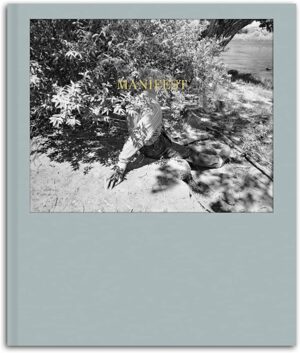
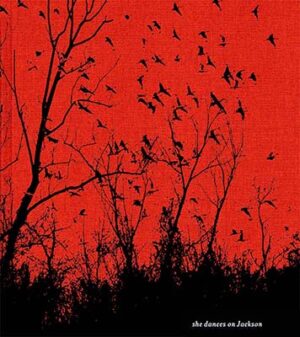
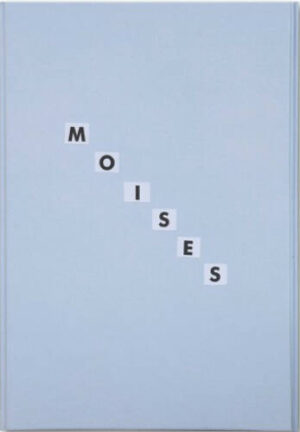
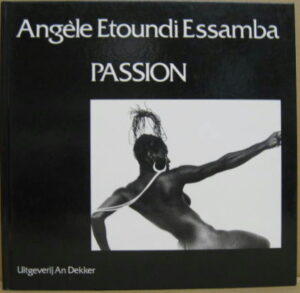
Books from the Richard Sun Photography Donation

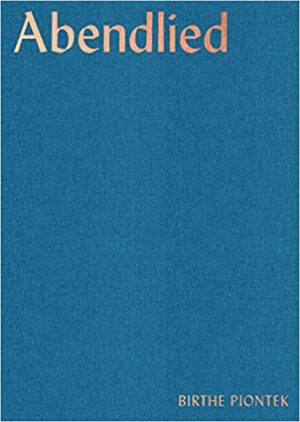
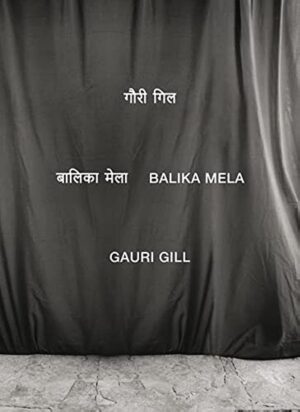
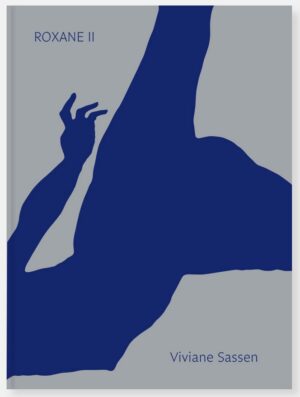
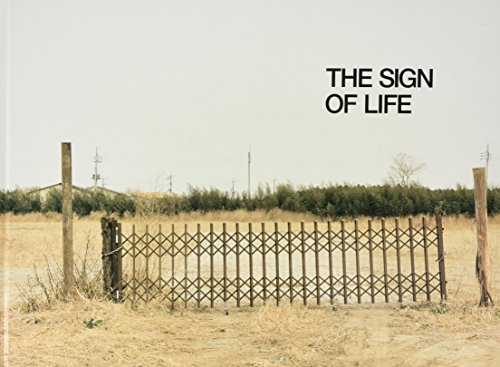
Come see books recently on display from the Richard Sun Photography Book Donation.  These items are now shelved in the Art History/ Classics Library.  Click the titles to see their records in UC Library Search.

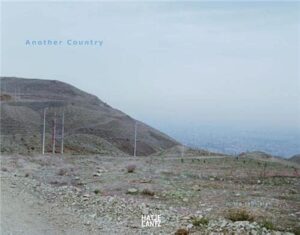
Another Country                                               Abendlied                                                               Balika Mela

Roxane II                                                            The Sign of Life                                             Manifest

She Dances on Jackson                                         Moises                                                                  Passion


Celebrate Earth Week with Art/Ecology Texts Online

Here are some featured e-Resources from the Art & Architecture ePortal.  Click the titles below to view them on the portal.

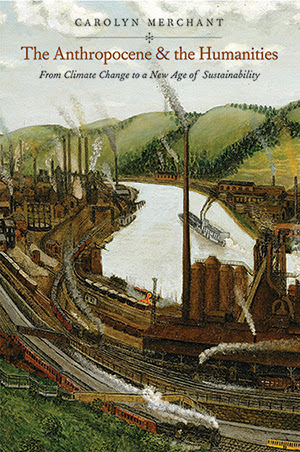
"THE ANTHROPOCENE AND THE HUMANITIES" book cover
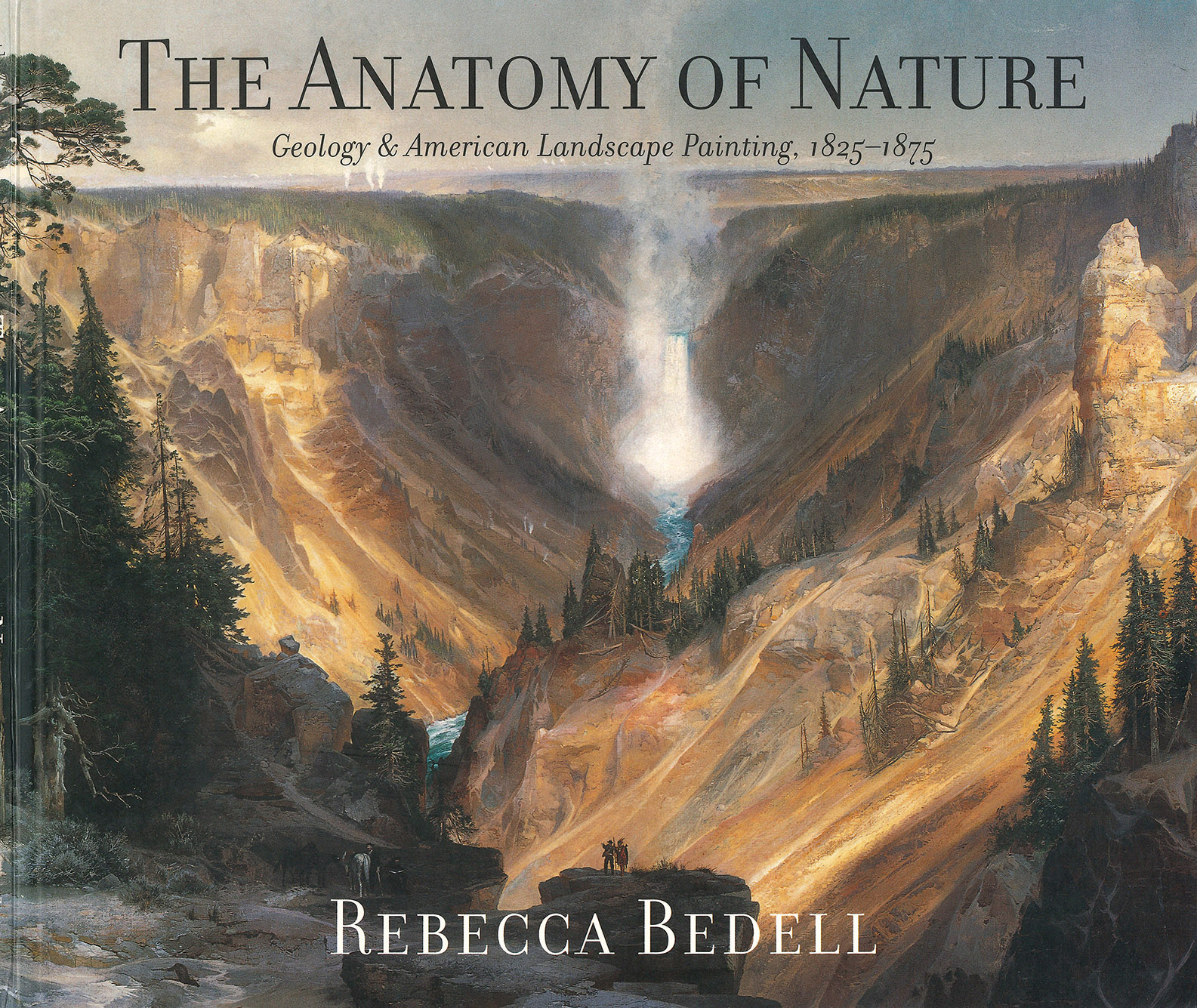
"THE ANATOMY OF NATURE" book cover

THE ANATOMY OF NATURE: GEOLOGY AND AMERICAN LANDSCAPE PAINTING, 1825–1875

Rebecca Bedell
Princeton University Press
Jan, 2002

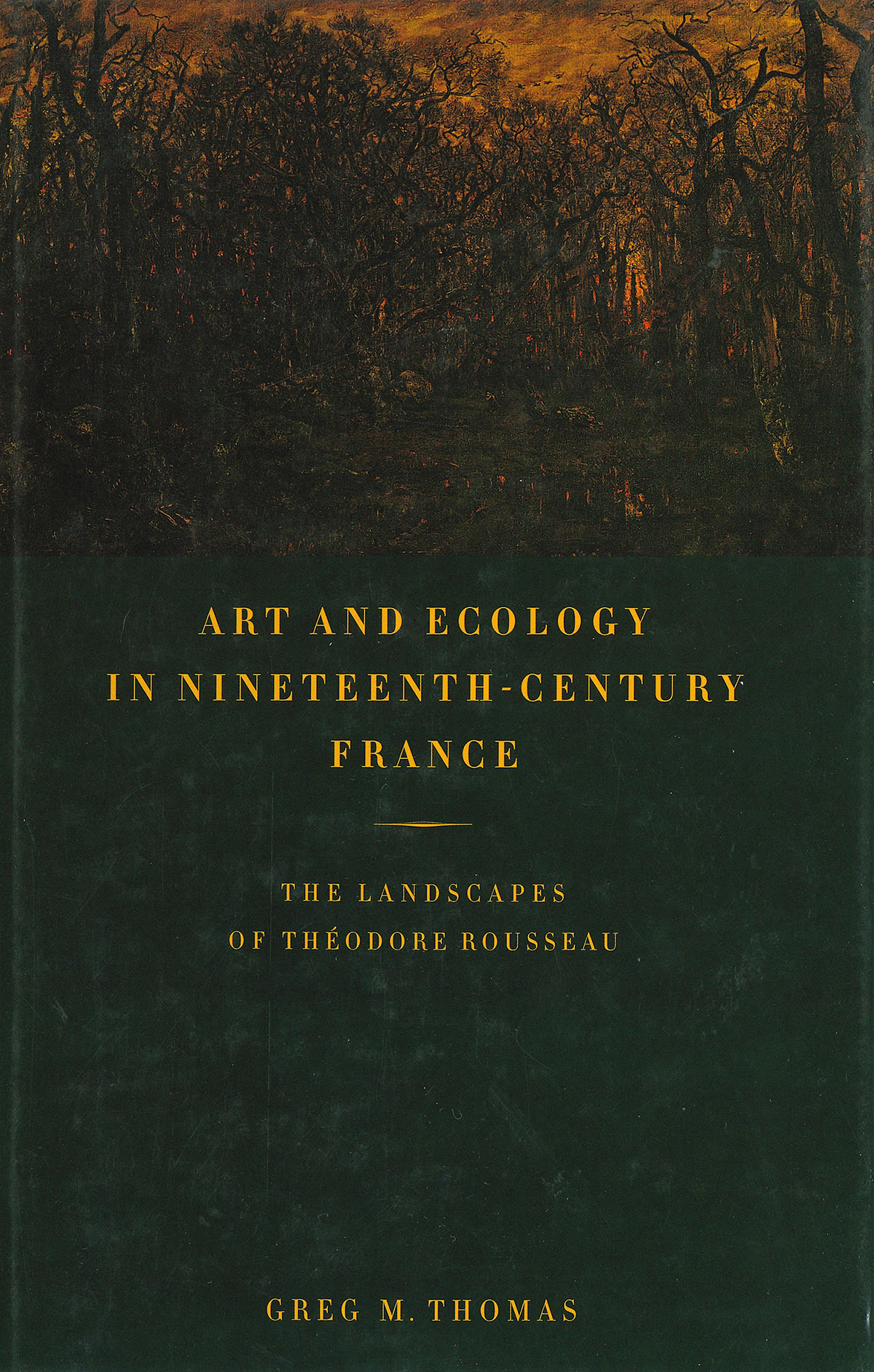
"ART AND ECOLOGY" book cover
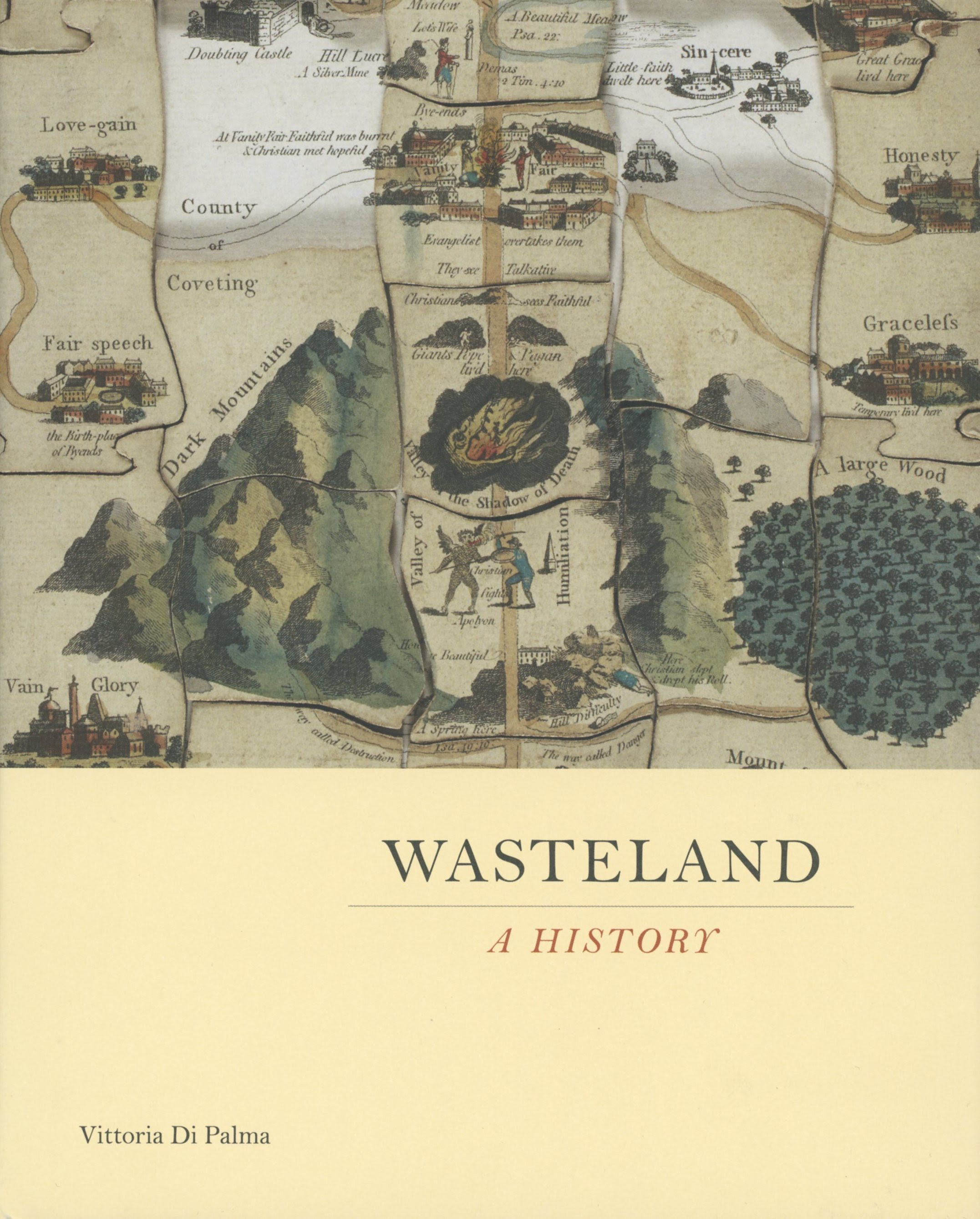
"WASTELAND" book cover

WASTELAND: A HISTORY

Vittoria Di Palma
Yale University Press
Aug, 2014

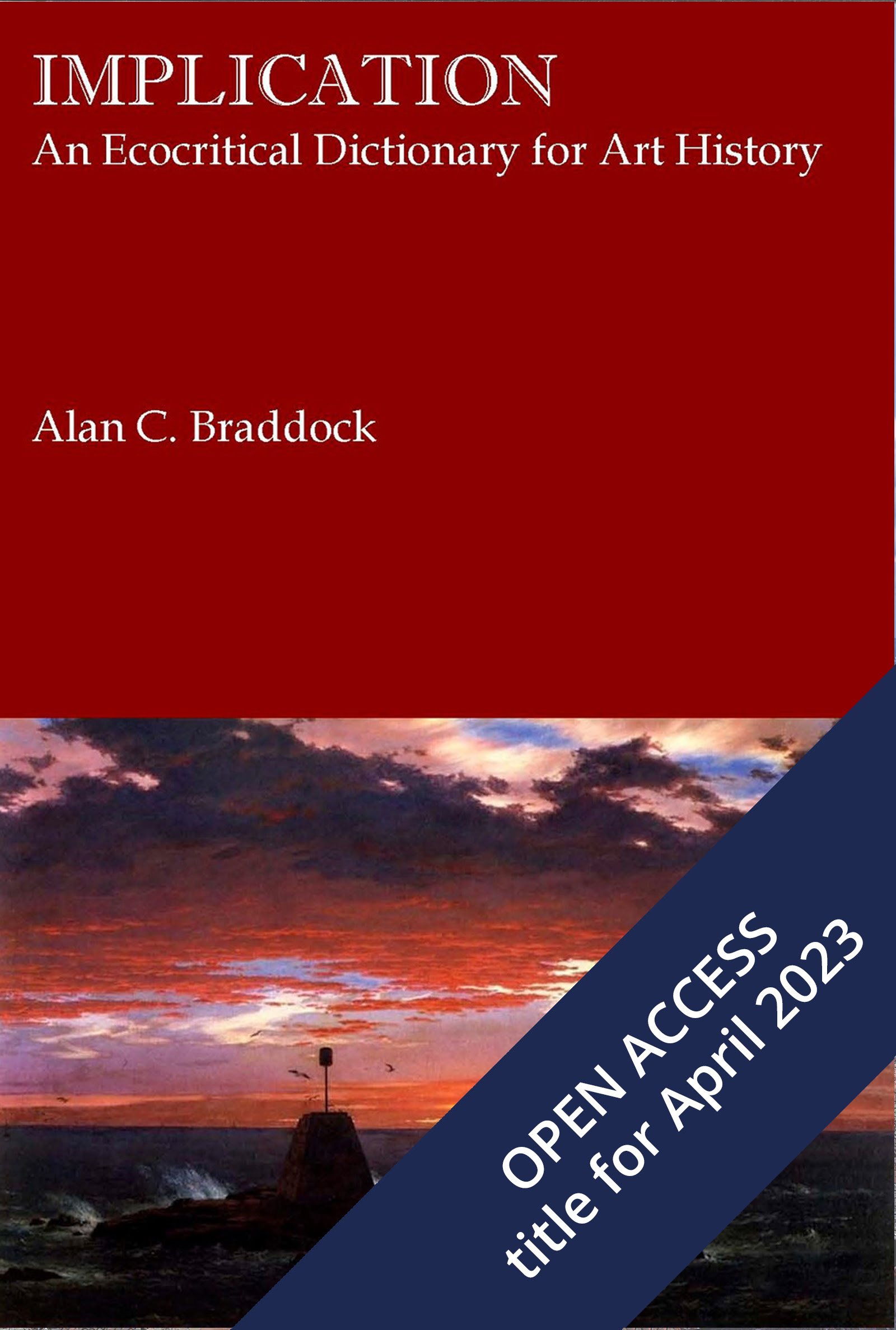
"IMPLICATION" book cover

IMPLICATION: AN ECOCRITICAL DICTIONARY FOR ART HISTORY

Alan C. Braddock
Yale University Press
Mar, 2023

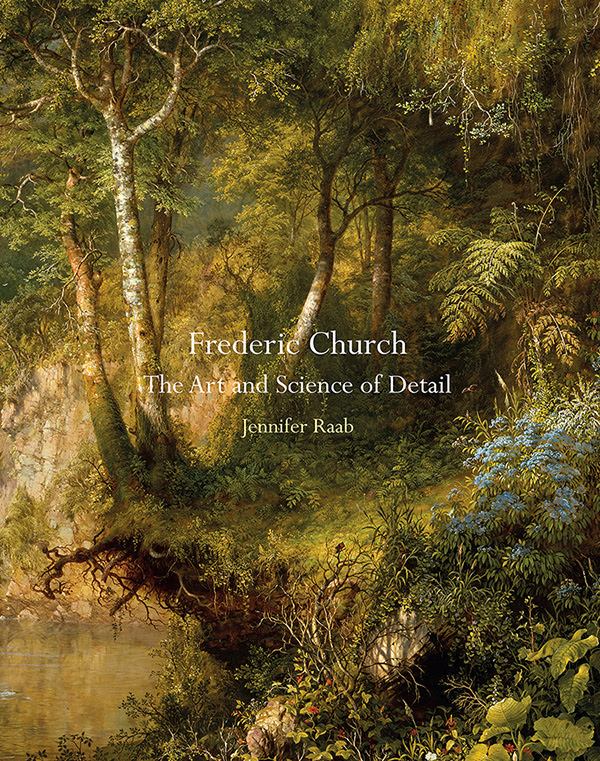
"FREDERIC CHURCH" book cover

FREDERIC CHURCH: THE ART AND SCIENCE OF DETAIL

Jennifer Raab
Yale University Press
Nov, 2015


National Poetry Month

National Poetry Month

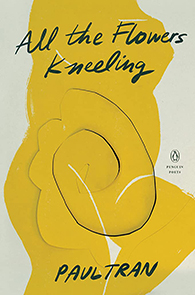
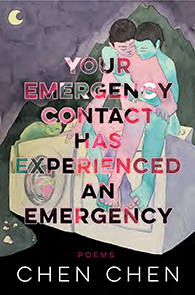
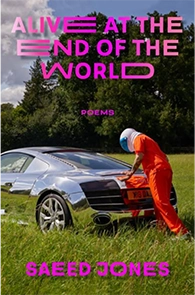
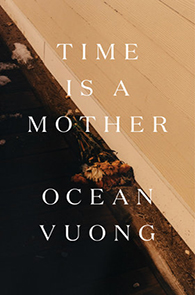
“If you live, you look back and beg for it again, the hazardous bliss before you know what you would miss.” – Ada Limon, 24th Poet Laureate.

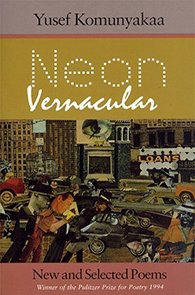
Celebrate National Poetry Month with this diverse collection of award-winning poets and check out the rest of our Overdrive for more!


Serials reductions as part of the life cycle

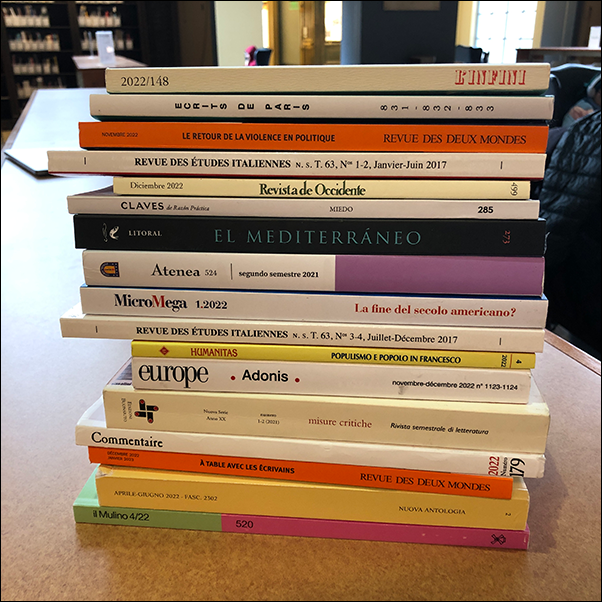
photo: stack of journals
Journals in the Romance languages in Doe Library’s Heyns Reading Room.

You need not fret about L’Infiniti, Écrits de Paris, Revue des deux mondes, Revue des études Italiennes, Revista de occidente, Claves de razón práctica, El Mediterráneo, Atena, MicroMega, Humanitas, Europe, Misure critiche, Commentaire, Nuova antologia, Il Mulino, and many more journals in the Southern European collection. These have evaded cancellation for now in the second year of a two-year planned reduction of UC Berkeley Library’s acquisitions and licensing budget.

This week, the Library has shared with the campus via CALmessages a complete list of proposed serials cancellations for public comment until May 12. For 2023/24, the budget for recurring annual costs such as subscription databases, journal subscriptions, ebook and journal packages will be reduced by $850K. The Arts and Humanities portion of the serials reduction came to about $165,000. Much of this was met through a renegotiation of the price share for a statewide Taylor & Francis journal package that met about $65,000 of our target. The remaining $100,000 came from the subject funds. (For Latin American and Caribbean Studies, please scroll down to the Social Sciences grouping.)

The proposed list of cancellations was developed to minimize the impact on the community by focusing on duplicative subscriptions; journals and databases that are available open access or in other ways; and the most seldomly accessed journals and databases. Together, subject librarians have reviewed all subscriptions and prioritized retaining titles based on strength of need and available alternatives for access. Across disciplines, the total number of titles came to 1,204 which includes large packages. These ranged from very cheap (Annali di statistica @ $9.67/year) to exorbitant (Greenwire for $17,544/year).

These exercises are never easy but have become a regular part of the scholarly resources life cycle as academic libraries continue to endure rapidly declining budgets for an expanding terrain of expensive intellectual materials in both print and digital formats. The last serials reduction was in 2018 in the amount of $1.5M. At the beginning of this year, the Library reduced its discretionary budget (mostly for books) by $850K and two years earlier by $1M.

Including our recent reductions in 2018 and 2020, this year’s serials reduction will bring the total annual reduction in acquisitions and licensing to $4.425 million – an approximately 35% reduction of campus, state, and unrestricted funding for collections since 2016. Without an influx of funding from the campus and the state, the UC Berkeley Library can expect to see another round of budget cuts in the near future.

For the month of April, I will be posting on Instagram nearly every day the cover of  a different journal in the Romance languages that we are retaining access to for now in either print or digital form.


Four Notes on our Love of Books and our Need for Libraries

Four Notes on our Love of Books and our Need for Libraries

by Henrike Christiane Lange, Associate Professor of History of Art and Italian Studies, University of California, Berkeley

UC Berkeley, Spring Term 2023

lange

A Note on Historical Books

The historical books in our collection are honeycombs of the centuries. They provide us not just with their specific knowledge from other times, but also with new insights about our own historical situation that we can only fully appreciate when seeing it compared to other eras. The material presence of historical books offers a shared experience with earlier readers – the readers of their time. Finally, the very awareness of the books’ own different time and place of origin generates a friction which allows us to progress with better consciousness and determination in our own timelines – not to be free-floating and lost in space, without time and context. The library thusly can both anchor us and liberate us at the same time in this process of discovery. Finally, a library of such historical objects for teaching and training is more than the sum total of the books. It is the select and familiar presence of those books together in an organized space, carved out of the chaos of the rest of the world as a refuge for the calm immersion into the records of others’ long-gone thoughts that spark the magic of understanding.

A Note on Scholarly Monographs

Monographs are little time machines: In a matter of hours, one can walk with the author through a specific and manageable field of knowledge, acquired over years, condensed yet decompressed, presented in a reader-friendly way, and focused on a valuable question. A monograph is not as short and shallow as a blog post, and it is not as limitless and infinite (therefore ungraspable) as the whole wide virtual cosmos of the world wide web. In a scholarly monograph, an author explores at the speed of the reader’s reading time what they have learned from having done years and decades of work of researching, reading, sorting, evaluating, weighing, expressing, writing, re-writing, and editing under the harsh conditions of double-blind peer review. This model can help enable readers and researchers to produce, eventually, their own unique contribution to a field in the form of a book – sent into the world to find its readers, way beyond the personal sphere of its author. The department library is the space to encounter and compare these kinds of books (at the height of their training, graduate students are expected to read up to a dozen of monographs per week in order to grasp their different styles, approaches, rhetoric, and strategies of presentation of the material).

A Note on Art History Libraries

Art history libraries have a double importance for the discipline, as they contain both secondary and primary sources: Books in art history research are not only containers of written, textual knowledge, or simple records of visual material, but also often serve as primary materials when they contain large or unique plates, a corpus of drawings, of maps, or of prints. They provide core materials such as large folio-sized works that outdo our screens, or plates that we use for comparisons in teaching around the table. Art History Libraries such as ours in Doe Library hold original documents that are themselves primary sources also when it comes to photo books and artist books, and the library’s rooms filled with books are our equivalent of a “lab” space. Large prints, maps, and photos need to be spread out on folio-size accommodating tables and compared, arranged, discussed with small groups in our training of emerging experts in our fields. The access to these physical materials together with small groups of students in a dedicated library space is an irreplaceable feature of the training of future architects and art historians. As is true for all our campus libraries, such specialized department libraries are not only collections somewhere without roots in time and space, but carefully grown, cultivated, specific places that have been assembled only here for a likewise growing and developing student population according to their specific needs.

A Note on Berkeley’s Libraries in the Now-Moment

Entering someone’s personal research library, fascinatingly, can feel like entering someone else’s brain – and to move about as if in a silent conversation with them, following their lead or jumping between sections and fields of knowledge, seeing the surprising and original connections that someone else made a long time ago, and getting inspired. The same applies to the experience of wonder and discovery in the large departmental, field-specific library: when we enter our library, we truly enter the good will, deep knowledge, and great care that generations of librarians, faculty, staff, and students have left there in invisible traces – in the objects as much as in the coherence, distribution, arrangement, and context of the objects. This is why off-campus storage removes the most important component from research, teaching, and learning; the eureka moments that can only happen on the quiet days alone in the library. We sometimes forget that not only the books and their authors speak to us, but all the caretakers and champions of the books that helped them find their way into our collection. As disciplines in the arts and humanities in a worldwide context that is hostile to the slow, deep, focused, and truly generative conditions of our work, we need those moments more than ever – not just the researchers, but especially our brilliant, insightful students.


Read OverDrive eBooks and Audiobooks on Mobile with Libby

libby app

Do you read ebooks and audiobooks on OverDrive? If so, the free Libby app allows you to read and listen on your mobile device. It’s easy to get started. Here’s how.

Step 1: Download the app

    1. Go to your mobile device’s app store.
  1. Install the Libby app for free.

Step 2: Add UC Berkeley to your list of libraries

  1. The app will ask you if you have a library card.
  2. Click “Not Yet.”
  3. You will be prompted to search for a library branch. Click “Find Libraries Nearby”  and then click “No, I’ll Search For A Library”.
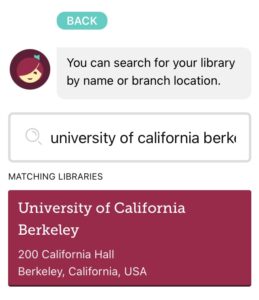
  4. Type in “University of California Berkeley,” and select “University of California Berkeley.” You will be taken to the Library’s OverDrive collection.Searching the website for the "university of California Berkeley"

Step 3: Log in with CalNet ID

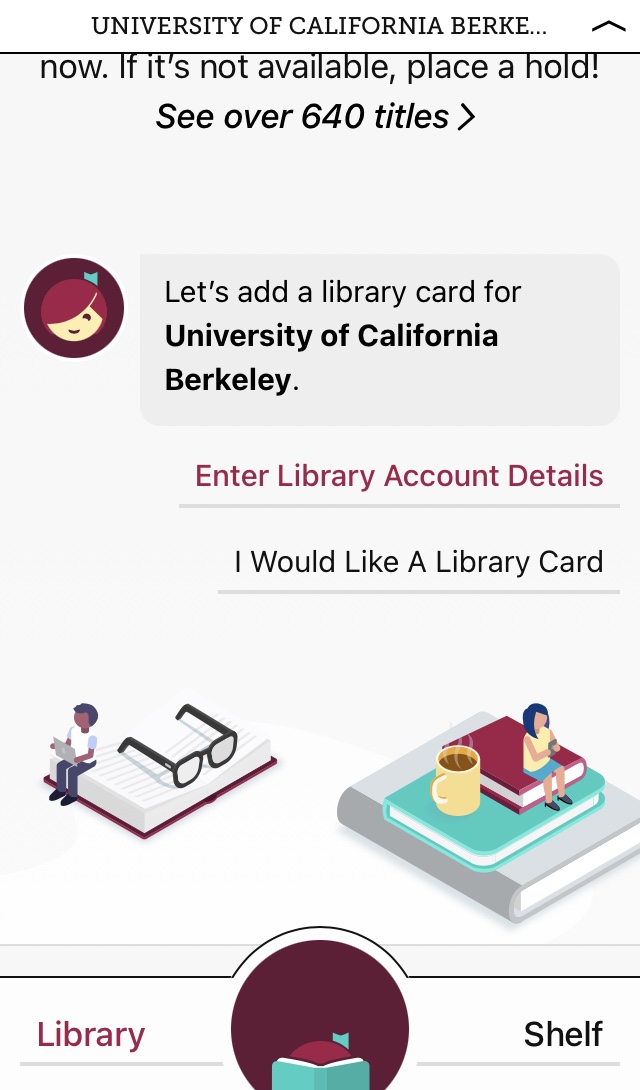
  1. Add a library card by selecting “Enter Library Account Details.” You will be taken to the CalNet authentication page.
  2. Sign in.
    Add a library card

Step 4: Borrow Books!

  1. To check out a book, select the book and click “Borrow.” (If a book is already checked out, you can click “Place a Hold.”)
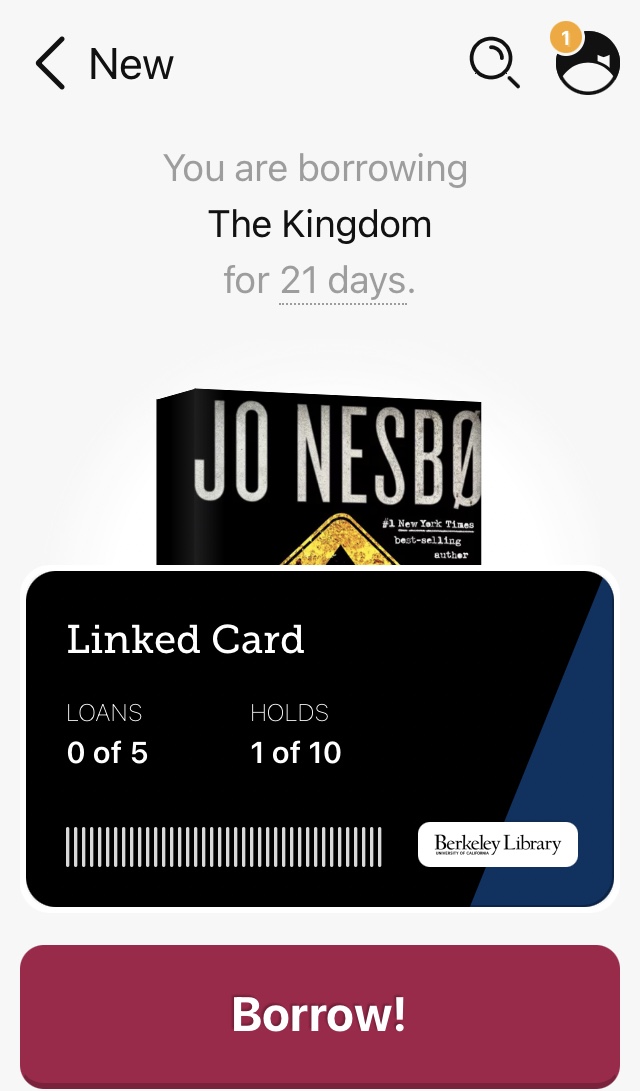
  2. The app will then show you a virtual library card and you will be able to see how many books you have checked out and how many holds you have. You’re all set!

Borrow books

Still using the original OverDrive app? OverDrive is discontinuing it. You’ll want to use Libby instead. Click here for more.


Drama Online: ArtFilms Collections Trial

ArtFilms Trial

The library has started a one-month trial for Drama Online’s ArtFilms collections. We have access through April 25th, 2023. We would love your feedback on the value of these collections to your research and teaching.
Please send any comments to sreardon at berkeley dot edu.

ArtFilms includes the following subcollections:

Asian Theatre Video Collection

The Asian Theatre video collection is an essential resource for students of theatre design and production, as well as contemporary theatre practice. It offers interviews with leading performers and practitioners, and houses a tranche of filmed performances, documentaries, rehearsal footage, and training videos. From Butoh to Bollywood, Bunraku to Topeng, this collection is a vital repository for students and academics interested in Asia’s rich theatrical traditions.

British, American, and Australian Video Collection

Through its focus on contemporary avant-garde troupes such as The Sydney Front, this video collection is an invaluable resource for the study of British, American, and Australian theatre. From the nuances of American puppetry and the skills of Australian Circus performers, to large-scale sculptural productions and political dance pieces, this collection’s rich array of biopics, interviews, workshops, and filmed performances provides a unique multi-media insight into the traditions and adaptations of British, American, and Australian theatre over the last fifty years.

European Theatre Video Collection

Spanning the schools of mime, acrobatics, and puppetry, as well as the theatrical traditions of Belgium, Serbia, and Germany, the European Theatre video collection contains a wealth of stimulating content. Through rare filmed recordings, archival footage, and critical commentaries by leading directors, this collection explores avant-garde groups such as France’s Théâtre du Mouvement, Denmark’s Odin Teatret, and Serbia’s JEL Theatre.

Playwrights and Practitioners Video Collection

Blending interviews with rare rehearsal footage, documentaries with production excerpts, the Playwrights and Practitioners video collection is an essential resource for students, actors, and academics. From the songs of Brecht to the provocations of Burlesque, the collection rings with the voices of Pulitzer and Nobel Prize winners and offers a rich insight into the creative processes of some of the industry’s most esteemed writers and directors.

Shakespeare Video Collection

Showcasing behind-the-scenes videos at the Globe, candid interviews with renowned Shakespeare actors and directors, as well as controversial adaptations of the Bard, the Shakespeare video collection is an ideal resource for students, academics, and practitioners. Rare documentary footage focuses on the Globe’s status as a unique theatrical institution, whilst the collection’s critical commentaries aim to demystify and illuminate Shakespeare’s most challenging works.

Theatre Making and Performance Video Collection

The Theatre Making and Performance Training video collection uses masterclasses, documentaries, and actor interviews to guide students and early-career practitioners through the art of auditioning, vocal training, and stage combat. Through a tailored selection of ‘How To’ resources, the collection also proves essential for those specializing in the design elements of theatre, such as make-up artistry, set design, theatre safety, and lighting.


Workshop: By Design: Graphics & Images Basics

By Design: Graphics & Images Basics
Thursday, April 6th, 3:10-4:30pm
Location: Doe 223
Lynn Cunningham

In this hands-on workshop, we will learn how to create web graphics for your digital publishing projects and websites. We will cover topics such as: sources for free public domain and Creative Commons images; image resolution for the web; and basic image editing tools in Photoshop. If possible, please bring a laptop with Photoshop installed. (All UCB faculty and students can receive a free Adobe Creative Suite license: https://software.berkeley.edu/adobe) Register here.

Upcoming Workshops in this Series – Spring 2022:

  • HTML/CSS Toolkit for Digital Projects

Please see bit.ly/dp-berk for details.


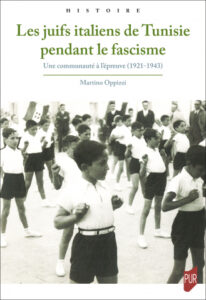
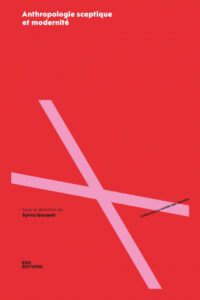
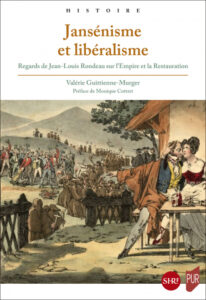
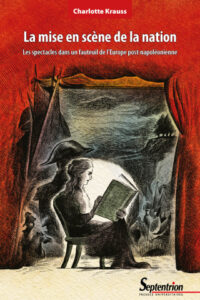
Spring bloom: new ebooks from OpenEdition

Open Edition Books

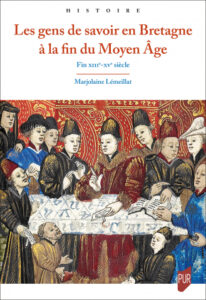
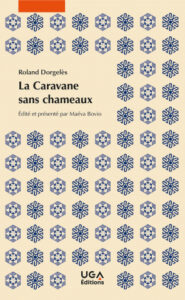
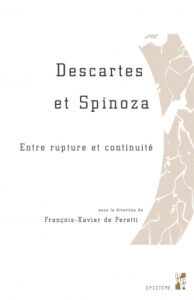
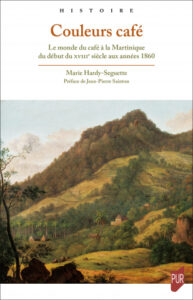
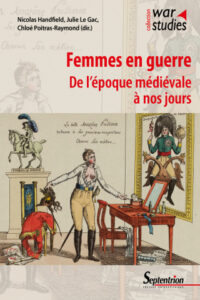
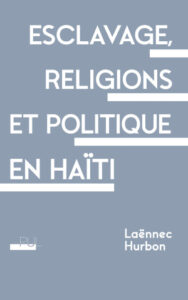
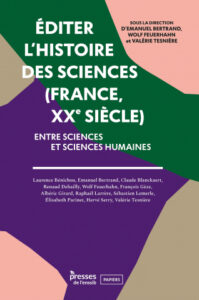
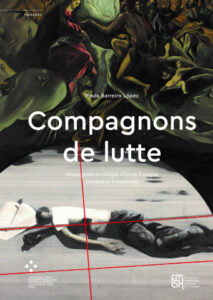
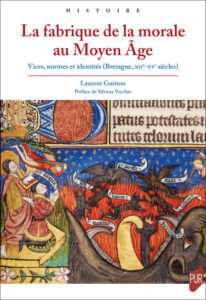
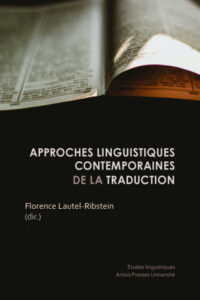
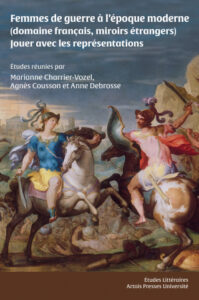
It’s that time of year when we choose new ebook titles from OpenEdition. Below you will find a few that have made it to the list. Please send other recommendations to the Librarian for Romance Languages by April 1.

Since 2014, the UC Berkeley Library has supported this initiative based at the Université d’Aix-Marseille to open scholarly content from Europe and France in particular to the world. The Freemium program allows the UC Berkeley community to participate in an acquisitions policy that both supports sustainable development of open access (OA) and that respects the needs of teaching, research and learning communities. With our participation, faculty, students, and other researchers can benefit from greater functionality while making it possible for anyone in the world to view in html and in open access 70% of the ebook catalog of more than 13,000 titles.

Through the Freemium model, UC Berkeley gains access to preferred formats (pdf, epub, etc.) with no DRM quotas and seamless access to the content with UC Library Search.