I am a proud Wikiphiliac. At least, according to the Urban Dictionary, which defines Wikiphilia as “a powerful obsession with Wikipedia”. I have many of the signs it warns of, including “accessing Wikipedia several times a day…spending much more time on Wikipedia than originally intended [and]… compulsively switching to other Wikipedia articles, using the hyperlinks within articles, often without obtaining the originally sought information and leaving a bizarre informational “trail” in his/her browsing history” (but that last part is just normal life as a librarian).
How else do I love Wikipedia? Let me count the ways! As a librarian, I always approach crowd-sourced information with a critical eye, but I also admire that Wikipedia has its own standards for fact-checking, and in fact some topics are locked to public editing. It takes its mission very seriously. It also has an accessible and neutral tone. Especially when I want to learn about a technical topic, it can give me a straightforward and helpful way to approach it. I also use it pretty routinely as a way to look at collections of sources about a topic; when I was a medical librarian, I was asked for data on the condition neurofibromatosis, and at that time the best basic links I found were in the references for the Wikipedia article. Last and maybe most importantly, the fact that anyone can edit is a huge strength…with challenges. Wikipedia openly admits its content is skewed by the gender and racial imbalance of its editors, and knowing this is part of approaching it critically, but it also means that IT CAN CHANGE, and WE CAN CHANGE IT.
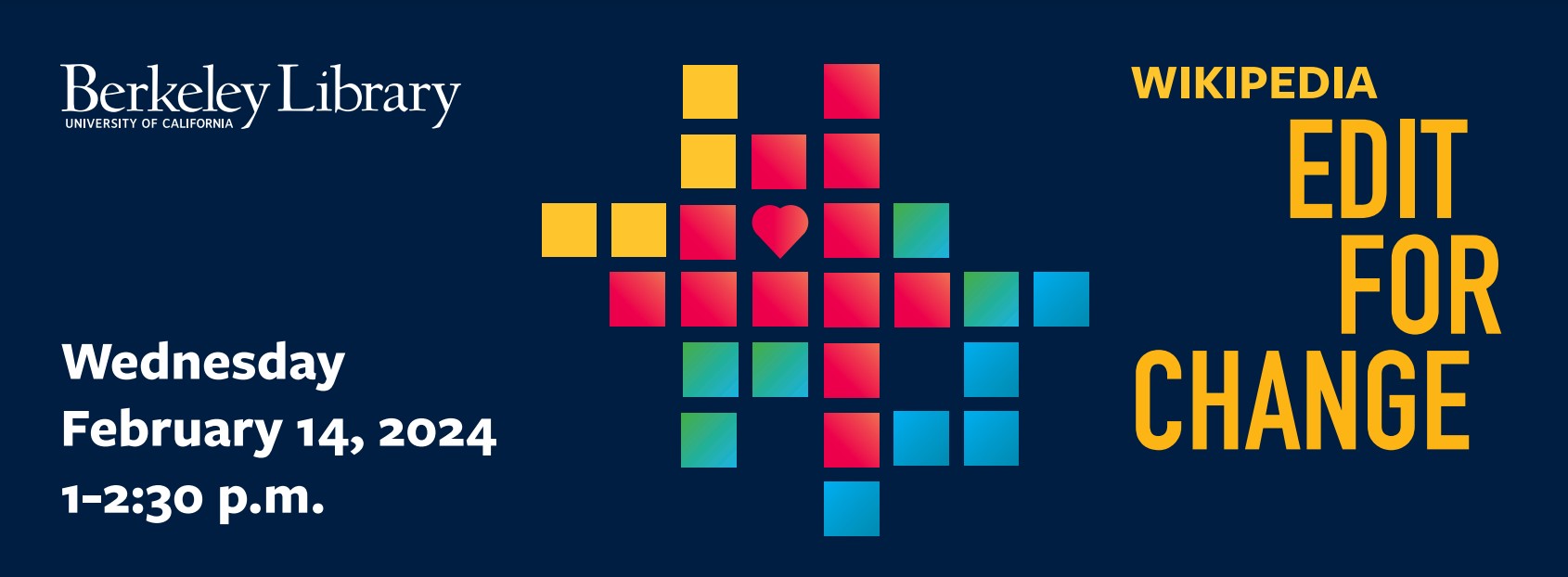
Given that philia, a word taken from Ancient Greek (according to the philia Wikipedia article), means affection for or love of something, it’s fitting that our 2024 Wikipedia Editathon is part of UC’s Love Data Week, and happens on Valentine’s Day. If you would like to learn to contribute to this amazing resource, and perhaps even help diversify its editorial pool, we can get you started! There isn’t yet a Wikipedia page on Wikiphilia, but maybe you could create one! There already is a podcast series…
If you’re interested in learning more, we warmly welcome you and invite you to join us on Wednesday, February 14, from 1-2:30 for the 2024 UC Berkeley Libraries Wikipedia Editathon. No experience is required—we will teach you all you need to know about editing! (but, if you want to edit with us in real time, please create a Wikipedia account before the workshop—information on how to do that is on the registration page). The link to register is here, and you can contact any of the workshop leaders with questions. We hope you will join us, and we look forward to editing with you!
NOTE: the Wikipedia Editathon is just one of the programs that’s part of the University of California’s Love Data Week 2024! Don’t forget to check out all the other great UC Love Data Week offerings—this year UC Berkeley Librarians are hosting/co-hosting SIX different sessions! Here are those UCB-led workshop links, and the full calendar is linked here:
Czechoslovakia Crisis, 1968: The State Department’s Crisis Files consists of documents collected and collated from a variety of State Department sources by the State Department’s Executive Secretariat, and represents an administrative history of the crisis. This collection includes almost a day-by-day record of the events, including the U.S. and the West’s response to the Soviet occupation.
The resources is organized in a series of subcollections:
Afghanistan in 1919: The Third Anglo-Afghan War
The Third Anglo-Afghan War began 6 May 1919 and ended with an armistice on 8 August 1919 resulted in Afghanistan gaining indpendence from British influence. This collection of British India Office documents includes confidential correspondence, memoranda, orders, reports and other materials that provide a broad spectrum of information on military policy and administration, including the organization, operations and equipment of the British army during the war.
Central Asia, Persia and Afghanistan, 1834-1922: From Silk Road to Soviet Rule
This collection of British Foreign Office files explores the history of Persia (Iran), Central Asia and Afghanistan from the decline of the Silk Road in the first half of the nineteenth century to the establishment of Soviet rule over parts of the region in the early 1920s. It encompasses the era of “The Great Game” – a political and diplomatic confrontation between the Russian and British Empires for influence, territory and trade across a vast region, from the Black Sea in the west to the Pamir Mountains in the east.
Comprised of correspondence, intelligence reports, agents’ diaries, minutes, maps, newspaper excerpts and other materials from the FO 65, FO 106, FO 371 and FO 539 series, this resource forms one of the greatest existing sets of historical documents relating to this region, offering insights not only into the impact of Great Power politics on the region, but also the region’s peoples, cultures and societies.
The UC Berkeley Oral History Center is pleased to announce that applications are open for the 2024 Introductory Workshop!
The OHC is offering online versions of our educational programs again this year.
Introductory Workshop: Friday, March 8 from 8:30 a.m. to 2:30.p.m. Pacific Time, via Zoom
The 2024 Introduction to Oral History Workshop will be held virtually via Zoom on Friday, March 8, from 8:30 a.m. to 2:30.p.m. Pacific Time, with breaks woven in. Applications are now being accepted on a rolling basis. Please apply early, as spots fill up quickly.
This workshop is designed for people who are interested in an introduction to the basic practice of oral history and in learning best practices. The workshop serves as a companion to our more in-depth Advanced Oral History Summer Institute held in August.
Students in our educational programs learn about best practices in oral history. (UC Berkeley Library)
The workshop focuses on the foundational elements of oral history, including methodology and ethics, practice, and recording. It will be taught by our seasoned oral historians and include hands-on practice exercises. Everyone is welcome to attend the workshop. Prior attendees have included community-based historians, teachers, genealogists, public historians, and students in college or graduate school.
Tuition is $150. We are offering a limited number of participants a discounted tuition of $75 for students, independent scholars, or those experiencing financial hardship. If you would like to apply for discounted tuition, please indicate this on your application form and we will send you more information. Please note that the OHC is a soft-money research office of the university, and as such receives precious little state funding. Therefore, it is necessary that this educational initiative be a self-funding program. Unfortunately, we are unable to provide financial assistance to participants other than our limited number of scholarships. We encourage you to check in with your home institutions about financial assistance; in the past we have found that many programs have budgets to help underwrite some of the costs associated with attendance. We will provide receipts and certificates of completion as required for reimbursement.
Applications are accepted on a rolling basis. We encourage you to apply early, as spots fill up quickly.
If you have specific questions, please contact Shanna Farrell (sfarrell@library.berkeley.edu)
About the Oral History Center
UC Berkeley’s Oral History Center, or the OHC, is one of the oldest oral history programs in the world. We produce carefully researched, recorded, and transcribed oral histories and interpretive materials for the widest possible use. Since 1953 we have been preserving voices of people from all walks of life, with varying perspectives, experiences, pursuits, and backgrounds. We are committed to open access and our oral histories and interpretive materials are available online at no cost to scholars and the public.
Sign up for our monthly newsletter featuring think pieces, new releases, podcasts, Q&As, and everything oral history. Access the most recent articles from our home page or go straight to our blog home.
The UC-wide Love Data Week, brought to you by UC Libraries, will be a jam-packed week of data talks, presentations, and workshops Feb. 12-16, 2024. With over 30 presentations and workshops, there’s plenty to choose from, with topics such as:
Code-free data analysis
Open Research
How to deal with large datasets
Geospatial analysis
Drone data
Cleaning and coding data for qualitative analysis
3D data
Tableau
Navigating AI
All members of the UC community are invited to attend these events to gain hands-on experience, learn about resources, and engage in discussions about data needs throughout the research process. To register for workshops during this week and see what other sessions will be offered UC-wide, visit the UC Love Data Week 2024 website.
Trial access to the Africa Commons digital archival collections, produced by Coherent Digital, is available until January 31st. This resource provides access to books, magazines, newspapers, government documents, manuscripts, photographs, videos, and oral histories related to African history and culture. Africa Commons is a project which aims to enable Africa to easily control, digitize, and disseminate its cultural heritage–within Africa, and internationally.
Africa Commons comprises four distinct collections:
History and Culture, an index of open source materials related to African history and culture.
The Hilary Ng’wengo Archive documenting the fifty-year career of the iconic Kenyan journalist, publisher, commentator, and public figure Hilary Ng’wengo through his magazines, newspapers, television programs, and documentaries.
Trial access to the Africa Commons digital archival collections, produced by Coherent Digital, is available until January 31st. This resource provides access to books, magazines, newspapers, government documents, manuscripts, photographs, videos, and oral histories related to African history and culture. Africa Commons is a project which aims to enable Africa to easily control, digitize, and disseminate its cultural heritage–within Africa, and internationally.
Africa Commons comprises four distinct collections:
History and Culture, an index of open source materials related to African history and culture.
The Hilary Ng’wengo Archive documents the fifty-year career of the iconic Kenyan journalist, publisher, commentator, and public figure Hilary Ng’wengo through his magazines, newspapers, television programs, and documentaries.
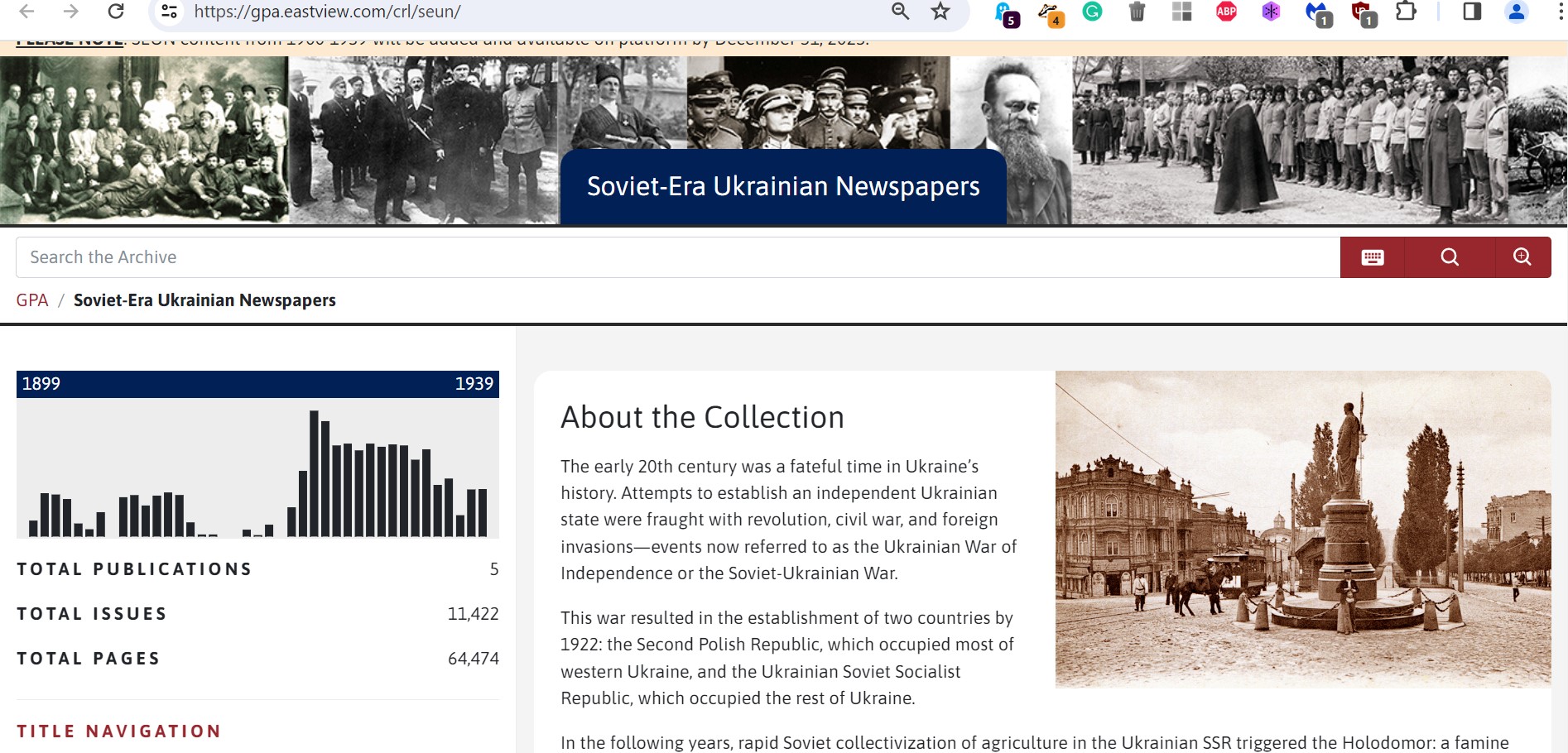
Center for Research Libraries in collaboration with the Global Press Archive of East View has released its latest digital collection of select Soviet-Era Ukrainian Newspaper. The collection can be accessed here: https://gpa.eastview.com/crl/seun/ or here
Soviet Era Ukrainian Newspaper project’s landing page. These are digital copies.
About the collection:
The early 20th century was a crucial time in Ukraine’s history, marked by attempts to establish an independent state, leading to the Ukrainian War of Independence. This conflict resulted in the creation of two countries by 1922: the Second Polish Republic in western Ukraine and the Ukrainian Soviet Socialist Republic in the rest of the country.
Following this, rapid Soviet collectivization in the Ukrainian SSR triggered the Holodomor, a famine that began in 1932 and claimed millions of lives.
The Soviet-Era Ukrainian Newspapers (SEUN) collection, with over 50,000 pages and five titles, documents Ukraine’s history during this turbulent period, including events leading up to WWII. It includes newspapers from Kyiv, Kharkiv, and Lviv, featuring content in both Ukrainian and Russian.
En una reciente visita a la Biblioteca Nacional de Francia pude consultar el manuscrito que contiene el Tratado de amor (BnF esp. 295) [BETA manid 2478], atribuido por una mano moderna a Juan de Mena (1411-1456).
Las notas allí tomadas y la celebración de la natividad de Jesús propician la redacción de este texto acerca del tópico del vulnus amoris en particular y acerca de la vulnerabilidad humana en general. Esta entrada de blog, por tanto, se articula entre las proyecciones de un texto tardomedieval y sus todavía posibles lecturas y lectores del siglo XXI; como si nos halláramos en medio de un juego de espejos que nos sitúa entre el vulnus amoris causado por las flechas de Cupido y nuestra propia vulnerabilidad, como entre los infinitos reflejos de nuestras figuras en los espejos de un ascensor. Seguiremos, pues, el sentido de las flechas de oro y de plomo de los goldres de Cupido, disparadas desde un códice cuatrocentista hasta nuestro espíritu navideño y hasta su reinterpretación desde las aportaciones de la neurobiología a la descripción de las relaciones humanas. Entre el siglo XV y el siglo XXI, se multiplicarán nuestros reflejos.
1. En las celebraciones navideñas, la vulnerabilidad del niño Jesús nos podría hacer recordar el niño que todos hemos sido. Todos hemos sido traspasados por flechas de oro que nos han llevado a perseguir el afecto y a captar la atención de aquellas personas de las que hemos dependido y de las que, en algunas ocasiones, para bien o para mal, todavía dependemos. Esa vulnerabilidad nos ha hecho ser humanos, animales sociales y políticos. Ese primer vulnus amoris de nuestra niñez lo causaría, desde la perspectiva adoptada para escribir este texto, otro dios con forma de niño: Cupido.
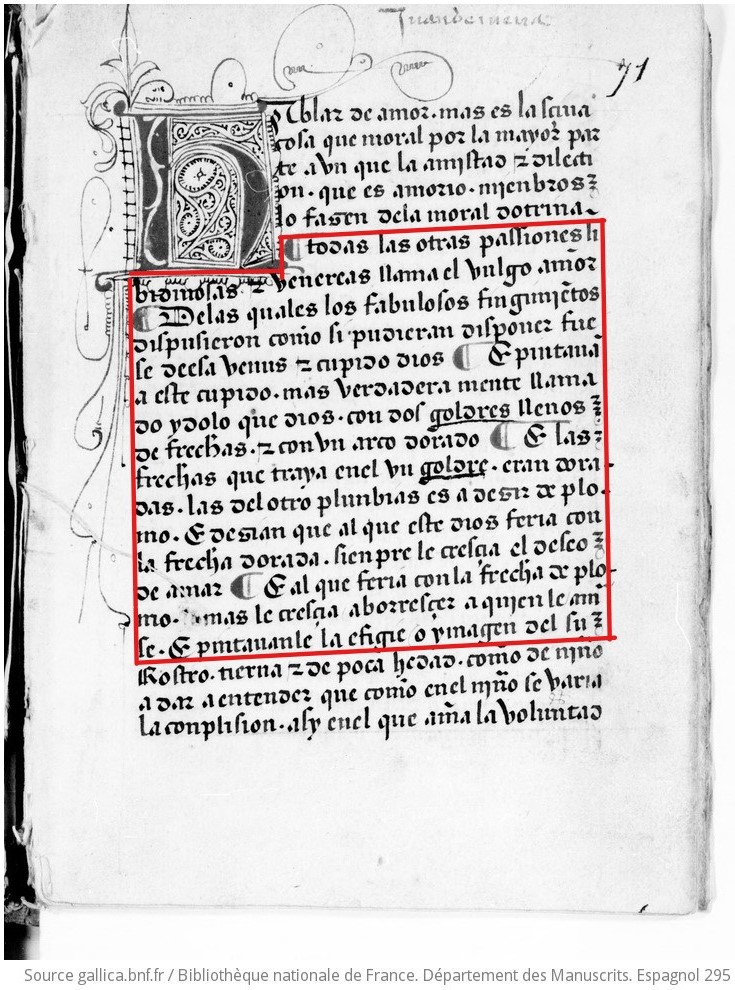
En el inicio del Tratado de amor se reproduce su imagen:
Todas las otras passiones li|ibidinosas て venereas llama el vulgo amor ⸿Delas quales los fabulosos fingimjentos dispusieron commo si pudieran disponer fue|se deesa venus て cupido dios ⸿ E pintauan a este cupido. mas verdadera mente llama|do ydolo que dios. con dos goldres llenos de frechas. て con vn arco dorado ⸿ E las frechas que traya enel vn goldre . eran dora|dos. las del otro plunbias es a dezir de plo|mo. E dezian que al que este dios feria con la frecha dorada.sienpre le cresçia el deseo de amar ⸿ E al que feria con la frecha de plo|mo. mas le cresçia aborresçer a qujen le amªse
Bibliothèque national de France, Ms. Espagnol 295, f. 71r
No sería Cupido, sin embargo, el dios de las tres maneras básicas de querer—“amistad, dilectión, que es amorío, e amor” (Valero 2001: 35)—, sino solo de una de ellas, a saber, de la pasión de amor. Por tanto, no sería el arquetipo de las relaciones escogidas e igualitarias de la amistad ni de las relaciones dilectas del amorío de los superiores para con sus inferiores, como el amorío del Creador para con sus criaturas, de la madre para con sus hijos o de “la yegua cuando pare el potrico” (Valero 2001: 47). ¿Qué tipo de pasión se establecería con el amor de Cupido? Una pasión “libidinosa e venérea” entre inferiores y vulnerables, que a su vez “se subdivide en dos partes: la una es en amor líçito e sano; la otra en no líçito e insano” (Valero 2001: 36). El amor lícito es el conyugal, al cual “non solamente la dotrina christiana alaba e bendize, mas aun la dotrina [de la] gentilidad” (Valero 2001: 36). La vieja solución pagana al desafío del desorden que puede producir el deseo libidinal, expresada por el mito clásico de Cupido y Psique, se cristianizaría con el amor conyugal del matrimonio lícito. Dicho de otro modo, el Tratado de amor subraya la coincidencia entre la solución gentil y la cristiana al alabar las bondades del matrimonio para solucionar los trastornos ocasionados por el vulnus amoris. Pero esa solución no cautiva la atención del autor del Tratado; son más interesantes, en cambio, los problemas que surgen del otro miembro de la bipartición, a saber, de la parte del amor no lícito. El Tratado además subraya que el amor, aparte de aumentar la vulnerabilidad de los amantes, provoca que estos no puedan escoger el tipo de pasión que les embarga, es decir, que no puedan elegir si persiguen o si son perseguidos, si son atraídos o atraen. De aquí que el modo de vulnerabilidad no sea elegido y de aquí que podamos entender la imagen del “amador çiego” como un trasunto de una voluntad débil que no elige o como—y aquí va la primera intersección de literatura y neurobiología—una motivación que nos impulsa a actuar desde determinadas áreas del sistema límbico y que escapa al control racional del córtex prefrontal, en el cual se concentran los circuitos cerebrales conectados con los procesos de la elección deliberada. Dicho de otro modo, la deliberación se puede entender como un proceso de la corteza cerebral que controla los impulsos procedentes de las zonas más internas del encéfalo, como se puede inferir a partir de la lectura de “Decision-Making and Consciousness” (Kandel et alii 2021: 1392-1419).
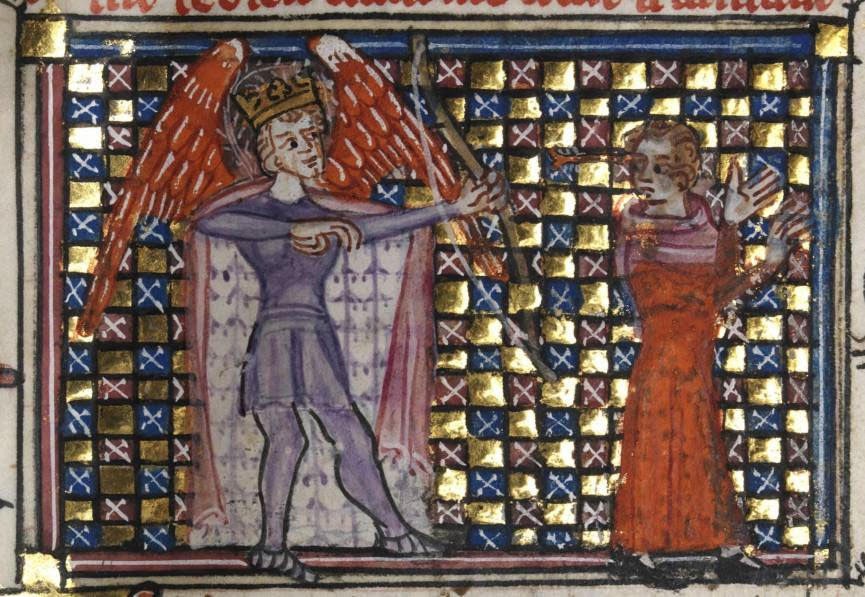
La pasión amorosa, en suma, se liga con el sistema límbico, la impulsividad irracional y la vulnerabilidad humana a través de la imagen literaria de los dos goldres de flechas de Cupido, unas de oro, otras de plomo: “E dezían que al que este dios fería con la frecha dorada, siempre le cresçía el deseo de amar. E al que fería con la frecha de plomo, más le cresçía aborresçer a quien le amase. E pintávanle la efigie o imagen del su rostro tierna e de poca hedad, como de niño, a dar a entender que como en el niño se varía la conplisión, así en el que ama la voluntad.” (Valero 2001: 35)
Por ello, el Tratado de amor equipara la herida de la pasión amorosa con la carencia infantil de juicio y con la debilidad de la voluntad o incontinencia, en consonancia con algunas doctrinas aristotélicas divulgadas en ambientes cortesanos ibéricos por el Compendio de la Ética nicomáquea (ca. 1463-64) [BETA texid 1294]. En efecto, su descripción de la incontinencia como debilidad de la voluntad proporciona un ejemplo coetáneo de la problemática latente en el arranque del Tratado de amor: “continente solamente es dicho el que finca e permanece en recta razón e elección. E incontinente es su contrario” (Cuenca 2017: 151). Sin embargo, el amor hace variar la razón de tal manera que impide la deliberación y sus efectos, a saber, las elecciones racionales, e imposibilita, por consiguiente, la práctica de los hábitos electivos que son las virtudes morales, tal como se explica en el capítulo 5 del libro segundo del Compendio: “Capítulo quinto pone tres notificaciones de virtud. La primera, que virtud es perfección de la cosa. Segunda, que es mediedad entre dos extremos. Tercera, que es hábito electivo.” (Cuenca 2017: 51)
De acuerdo con esta cita, podemos indicar que la inclusión de la virtud en la lista de las once causas de amor que, según el Tratado, “despiertan e atrahen los corazones a bien querer” es paradójica. Es decir, si en el arranque del Tratado se estipulaba que la pasión de amor es ciega e irresistible, después se argumenta lo contrario, a saber, que “como el camino del amante sea libertad para descoger lo que más le plaze, el hábito electivo de amor viene en ábito de elegir antes al virtuoso que a un otro” (Valero: 37-38). Aquí el Tratado no es estricto en el uso de la terminología filosófica y parece que copia irreflexivamente el sintagma “hábito electivo”, porque el término ético más adecuado para referirse al hábito virtuoso—y, por ello, electivo, en relación con la selección activa del mejor compañero—sería “amistad” y no “amor”, cuyo uso se restringiría a la pasión irresistible, o sea, no escogida, no selectiva, pasiva (Cuenca 2019). Es como si las flechas doradas de Cupido no cegaran al herido por ellas, como si el único “amante çiego” fuera aquel magullado por las flechas de plomo, o como si las flechas doradas activaran la selectividad y las plúmbeas fomentaran la pasividad de la pasión. ¿Cómo podemos entender la paradoja del vulnus amoris de las flechas doradas?
2. Gracias a las investigaciones de David J. Anderson (Californa Institute of Technology) sobre las conexiones neuronales que ponen en marcha nuestras interacciones como animales sociales, podemos reinterpretar el gozo de los heridos por las flechas doradas, o sea, el gozo provocado por la vulnerabilidad selectiva o por la vulnerabilidad que escoge. Anderson, especialista en las funciones del hipotálamo, nos permite entender la paradoja con la que hemos concluído el apartado anterior, a saber, la paradoja que resulta de combinar la herida y el gozo, la pasión del amor y la selección activa del amante virtuoso.
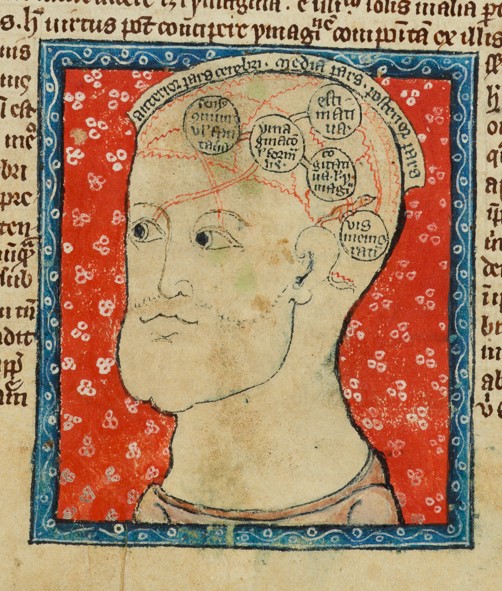
Todos los animales poseen un repertorio de conductas instintivas que pueden ponerse en práctica sin una enseñanza previa, es decir, que, desde la perspectiva en este texto adoptada, pueden manifestarse sin una elección racional y, por ende, asemejarse a las conductas descritas e identificadas con la etiqueta literaria de la pasión amorosa o vulnus amoris. Según Anderson, no se sabe aún si estas conductas están mediadas por circuitos neuronales diferenciados anatómicamente y/o genéticamente. Sus investigaciones, a partir de las imágenes de las conexiones neuronales del hipotálamo del ratón, concluyen que las conductas que impulsan a establecer vínculos con otros especímenes están modeladas por determinadas experiencias sociales—en humanos podríamos añadir “culturales”. De tal manera que las mismas neuronas (Esr1+: Oestrogen receptor 1-expressing neurons) de una área concreta del hipotálamo (VMHvl) controlan tanto el apareamiento como la dominación y agresión en los roedores machos (Anderson et alii 2017). Si damos el salto mortal de ratones a hombres y hacemos el ejercicio de aplicar estas investigaciones al tópico de las flechas de Cupido, podemos intuir que su disparo indiscriminado podría describir la conducta innata que a todos nos impulsa a establecer vínculos sociales, o sea, nadie elige las flechas que le hieren, las doradas o las plúmbeas, pero todos estamos expuestos a alguno de sus tipos de herida. Es decir, todos estamos cableados con los mismos circuitos neuronales que nos hacen someternos al influjo de Cupido. Ahora bien, ese influjo está moldeado por las experiencias sociales y los modelos culturales, de manera que las mismas neuronas pueden estar involucradas en las conductas de la seducción y persecución activa provocadas por las flechas doradas y en las conductas de aversión y evitación provocadas por las flechas plúmbeas. Resaltemos una curiosa coincidencia: la medicina medieval localizaba en un único ventrículo de la media pars cerebri la sede de la facultad estimativa, encargada de las conductas de persecución y de evitación, de manera semejante a la actual localización en el midbrain de los circuitos conectados con las conductas de fight or flight asociados al hipotálamo.
Tomás de Aquino, basándose en el Liber de anima de Avicena (I, 5 y II, 2), proporciona uno de los listados más conocidos de los sentidos interiores en Summa Theologiae, Iª, q. 78, a. 4: “Avicenna, in suo libro de anima, ponit quinque potentias sensitivas interiores, scilicet sensum communem, phantasiam, imaginativam, aestimativam et memorativam”. El dominico describe que la facultad estimativa es imprescindible para explicar las conductas animales de buscar/querer y de huir/evitar, como el huir de la oveja cuando ve al lobo: “necessarium est animali ut quaerat aliqua vel fugiat, non solum quia sunt convenientia vel non convenientia ad sentiendum, sed etiam propter aliquas alias commoditates et utilitates, sive nocumenta, sicut ovis videns lupum venientem fugit, non propter indecentiam coloris vel figurae, sed quasi inimicum naturae”. Subrayamos, también en este mismo artículo de la Summa, que el Aquinate explicita que la medicina medieval localizaba en la media pars capitis la facultad estimativa –cogitativa en los humanos– : “alia animalia percipiunt huiusmodi intentiones solum naturali quodam instinctu, homo autem etiam per quandam collationem. Et ideo quae in aliis animalibus dicitur aestimativa naturalis, in homine dicitur cogitativa, quae per collationem quandam huiusmodi intentiones adinvenit. Unde etiam dicitur ratio particularis, cui medici assignant determinatum organum, scilicet mediam partem capitis”. (Tomás de Aquino: 1889)
Volviendo a las investigaciones de Anderson, podríamos pensar que, aunque sean las mismas zonas del hipotálamo las involucradas en los procesos de persecución y aversión, en ellas se podrían activar circuitos neuronales distintos—como ha probado el profesor de CalTech en relación con los circuitos neuronales activos en las conductas sexuales de los roedores machos, que son distintos de aquellos activos en las conductas de dominación. Es decir, aunque la conducta masculina de montar y dominar sea muy parecida a ciertas conductas sexuales, se activan circuitos neuronales distintos en cada una de ellas, aun estando localizados en el hipotálamo todos esos circuitos. Podríamos pensar, volviendo al tópico del vulnus amoris, que la conducta de dominar y herir y la conducta de seducir y amar están muy cerca la una de la otra, aun siendo diferentes.
Ahora podemos responder a la pregunta formulada al final del segundo apartado: no elegimos nuestra anatomía, no escogemos tener circuitos neuronales que puedan encender un ánimo propenso a sentir el amor; lo único que podemos escoger en algunos casos es si orientamos esos circuitos del hipotálamo hacia personas virtuosas. Dicho de otro modo con la terminología del Tratado de amor, no elegimos ser heridos por las flechas de Cupido; lo único que podemos escoger, si nos ha perforado una flecha dorada, es orientar nuestra persecución hacia una persona virtuosa o que reúna alguna de las otras diez condiciones que motiven una constante persecución, ya que “muchas cosas se vençen por el seguimiento que en otra manera non se acabarían” (Valero 2001: 44). El que la seguía antes la conseguía, aunque en los últimos años ya no es así: primero con el paradigma del “no es no” y después del “solo sí es sí”. Podemos estar asistiendo, quizás, a una de esas experiencias sociales que modelan la conducta y cortocircuitan los impulsos procedentes del hipotálamo, gracias a la actividad deliberativa del córtex prefrontal.
3. Lo interesante del Tratado de amor es que muestra cómo la cultura bajomedieval ya diferenció el tipo de interacciones sociales del herido con las flechas doradas de aquellas del herido con las flechas plúmbeas. Las flechas doradas mueven a perseguir y las plúmbeas a evitar. La paradoja que hemos pretendido explicar con este breve texto es que las flechas de plomo no nos hieren, sino que nos hacen invulnerables y, por tanto, menos humanos. Sin embargo, esa invulnerabilidad es muy dolorosa, porque nos aísla y nos mueve a evitar las relaciones que nos hacen ser más humanos: las relaciones del amor. De aquí surge una última paradoja expresada por el tópico del vulnus amoris : todos somos propensos a un determinado tipo de herida, a un modo de vulnerabilidad, incluso aquellos que anhelan la invulnerabilidad. La dulce herida se abriría en la carne perforada por la flecha dorada y la herida amarga, en cambio, magullaría la dura piel contusionada por la flecha plúmbea. La invulnerabilidad, en conclusión, resultaría paradójicamente más dañina y dolorosa que la dulce vulnerabilidad infantil. Por eso adoramos a los niños, y no solo en Navidad.
Obras citadas:
Anderson et alii 2017: David J. Anderson, Ryan Remedios, Ann Kennedy, Moriel Zelikowsky, Benjamin F. Grewe, Mark J. Schnitzer: “Social behaviour shapes hypothalamic neural ensemble representations of conspecific sex”, Nature, 550: 388-92.
Cuenca 2017: Salvador Cuenca (ed.), Compendio de la Ética nicomáquea. Zaragoza: Prensas de la Universidad de Zaragoza.
Cuenca 2019: Salvador Cuenca, “Φιλία › amor, amicitia › ¿amor, amistança, amicicia o amistad? Las traducciones de φιλία en las traslaciones hispánicas de la Ética a Nicómaco en el siglo XV”. Cahiers d’études hispaniques medievales, 42:85-95.
Kandel et alii 2021: Eric R. Kandel, John D. Koester, Sarah H. Mack, Steven A. Siegelbaum (eds.), Principles of Neural Sciences, 6th edition: McGraw-Hill.
Valero 2001: Juan Miguel Valero (ed.), ¿Juan de Mena? Tratado de amor. En Tratados de amor en el entorno de la Celestina (Siglos XV-XVI), coord. Pedro M. Cátedra. Madrid: Sociedad Estatal España Nuevo Milenio: 31-49.
Tomás de Aquino 1889: Corpus Thomisticum. Sancti Thomae de Aquino Summa Theologiae