La semana pasada colgué las versiones últimas y finales de BETA, BITECA y BITAGAP en la web de PhiloBiblon de la Universitat Pompeu Fabra. Desde este momento no habrá más cambios en los datos presentados allí. Dentro de unos meses, un PhiloBiblon nuevo y renovado aparecerá en FactGrid:PhiloBiblon en la universidad alemana de Jena, donde compartirá espacio virtual con otros cuarenta proyectos históricos, desde los estudios cuneiformes hasta la época nazi en Alemania.
Es el final de un largo periplo que empezó en 1975 con el proyecto Dictionary of the Old Spanish Language de la University of Wisconsin, encabezado por Lloyd Kasten, con quien había estudiado yo ecdótica unos diez años antes. Fue el primer proyecto de humanidades digitales en el ámbito hispanico. Kasten fue secundado por su joven colega John Nitti, el arquitecto del entorno informático del proyecto. Para garantizar la autenticidad del corpus de español antiguo, se necesitaba un repertorio de manuscritos españoles escritos antes de 1501. Tal repertorio no existió y pusieron a ayudantes de investigación a vaciar dos obras, el Catálogo de los manuscritos castellanos de la Real Biblioteca de El Escorial, del benemérito, y martirizado, padre Julián Zarco Cuevas; y la Bibliografía de la literatura hispánica del igualmente benemérito José Simón Díaz. Identificaron 966 obras y Kasten y Nitti imprimieron el resultado como Bibliography of Old Spanish Texts en 1975. Siguió una segunda edición en 1977, con 1869 fichas. Al año siguiente yo me encontraba en la Hispanic Society, redactando su catálogo de manuscritos medievales y enviando adiciones y correcciones a BOOST. En 1981 Kasten y Nitti me ofrecieron la dirección de BOOST como proyecto autónomo, y lo demás, como dicen, es historia.
Pronto tuve un colaborador, un jovencísimo Ángel Gómez Moreno (UCM), que acababa de pasar un año de estudios de posgrado en Wisconsin. Al volver a España se lanzó con entusiasmo a la tarea de repasar los ficheros y catálogos (en papel, por supuesto), de la BNE, la Biblioteca de Palacio, la RAE y la RAH, siempre en busca de nuevos manuscritos para BOOST. En los años 80 estudiantes de carrera y posgrado sirvieron como ayudantes de investigación, primero María Morrás (UPF), y en los 90 Ángela Moll Dexeus y Antonio Cortijo (UC Santa Barbara), durante su paso por las aulas de Berkeley. Ya desde 1993 BOOST era BETA, la Bibliografía Española de Textos Antiguos en CD-ROM y en la red en 1997. En 2000 Ángel me mandó como becario por dos años a Óscar Perea Rodríguez; y desde entonces Óscar ha sido mi mano derecha en el proyecto, organizando los seminarios de PhiloBiblon, primero en San Millán de la Cogolla y luego en Madrid. Más recientemente ha trabajado como ayudante en Berkeley Heather Bamford (George Washington University), mientras que, en España, en la UCM, Álvaro Bustos ha participado en varias campañas de investigación conmigo y ha reclutado nuevos miembros del equipo de BETA.
Kasten y Nitti fueron responsables también de la Bibliography of Old Catalan Texts (BOOCT, 1985), base de datos gemela a BOOST, compilada por Beatrice Concheff (†), antigua alumna de la University of Wisconsin y que, en aquel tiempo, ejercía como profesora de inglés en una escuela de lenguas de Barcelona. Era una aficionada a la literatura catalana, pero no era experta en ella en términos académicos; por ello, la inmensa mayoría de sus citas a obras y manuscritos medievales provenía de fuentes secundarias. Y además, en el año de 1989, por desgracia, Concheff se encontraba con una salud muy delicada y era consciente de que no podría dedicarse a la compilación de una segunda edición de BOOCT.
En una de las sesiones de trabajo del congreso de la Asociación Internacional de Hispanistas de Barcelona de 1989, mi amigo Francisco Marcos Marín me presentó a Vicenç Beltrán. Expuesto el caso a Vicenç, vio inmediatamente la importancia de seguir adelante con BOOCT. En seguida Vicenç embarcó en el proyecto a su jovencísima alumna, doctoranda en aquel entonces, Gemma Avenoza i Vera (†). Fue Gemma la que enseguida quedó al cargo del mismo. Era ya una codicóloga consumada, como se puede comprobar en su tesis doctoral, Repertori dels manuscrits en llengües romàniques conservats a biblioteques barcelonines. Además, Gemma era de los escasos expertos en filología de la época que sabía manejar un ordenador, habilidad absolutamente necesaria para trabajar con PhiloBiblon. Ambos, Gemma y Vicenç, romanistas al estilo antiguo y expertos no sólo en las literaturas medievales ibéricas, sino también en las de Francia e Italia, comprobaron la utilidad del (entonces recién bautizado) PhiloBiblon, pues podría facilitar la tarea de catalogación y descripción de los textos y testimonios del corpus de literatura medieval ibérica en lenguas castellana, catalana, portuguesa y gallego-portuguesa.
A los pocos meses de ese primer encuentro en Barcelona, en el otoño de 1989 Gemma ya pudo visitarme en Berkeley para adentrarse en el arcano mundo de PhiloBiblon y encargarse, junto con Vicenç, de BOOCT, que pronto cambiaría su nombre en BITECA (Bibliografia de Textos Catalans Antics), de forma paralela a BETA. Desde entonces hasta su demasiado temprana muerte en 2021, Gemma fue la mano directriz de BITECA, pronto secundada por Lourdes Soriano, alumna tanto de Gemma como de Vicenç. Durante casi 20 años, pues, Gemma, Lourdes y yo estuvimos en contacto constante. Las dos supieron atraer a más de medio centenar de colaboradores y ayudantes de investigacíon. Los miembros actuales del equipo de BITECA son Joan Mahiques Climent (Universitat Jaume I), Joan M. Perujo (Universitat d’Alacant), Helena Rovira Cerdà (Universidad de Murcia), Glòria Sabaté (Universitat de Barcelona) y Ferran Triadó Sales, (Universitat de Barcelona), todos ellos alumnos o antiguos alumnos de Gemma y Lourdes.
Ya por la misma época, en 1988, entablé discusiones con mi querido colega y vis-à-vis (literalmente) en el departamento de español y portugués de Berkeley, Arthur Askins, sobre la posibilidad de crear una base de datos paralalela a BOOST y BOOCT. Se llamaría Bibliography of Old Portuguese Texts (BOOPT) y formaría un nuevo tomo en la “Bibliographic Series” de la Hispanic Seminary of Medieval Studies. Pero ya la época de publicación en papel había pasado. Con una subvención de la Sociedad Estatal del Quinto Centenario, BETA, BITECA y el recien bautizado BITAP (Bibliografia de Textos Antigos Portugueses) saldría en disco CD-ROM en 1993. Más tarde, el nombre BITAP se cambiaría en BITAGAP (Bibliografia de Textos Antigos Galegos e Portugueses).
Arthur había sido testigo ocular de mis investigaciones con BOOST desde 1981 y se había dado cuenta de la utilidad de las bases de datos en sus propias investigaciones sobre la biblioteca de Fernando Colón. Estaba intrigado, pero se dio cuenta desde el principio que esto tendría que ser un proyecto de equipo. Reclutó a sus amigos y antiguos compañeros de estudios de Berkeley, Harvey Sharrer (†), profesor en la University of California, Santa Bárbara, y Martha E. Schaffer, en aquel entonces profesora la University of Chicago y actualmente en la University of San Francisco.
Iniciados sus viajes de investigación anuales en Portugal, muy pronto los tres persuadieron a Aida Fernanda Dias (†), profesora de la Universidade de Coimbra, que se uniera al equipo. Luego, comenzando en 2008, se incorporaron Pedro Pinto (Universidade Nova de Lisboa), con su olfato extraordinario para encontrar manuscritos de interés, Cristina Sobral (Universidade de Lisboa), Filipe Alves Moreira (Universidade do Porto, actualmente Universidade Aberta), Maria de Lurdes Rosa (Universidade Nova de Lisboa), Ricardo Pichel Gotérrez (Universidade de Santiago y actualmente Universidad de Educación a Distancia), Mariña Arbor (Universidade de Santiago y Diana Fontão (Universidade de Porto / Universidad de Salamanca).
Como en los casos de BETA y BITECA, el equipo de BITAGAP ha contado con al menos una centena de buenos colaboradores, entre estudiantes y colegas del mundo entero.
PhiloBiblon no sólo ha sido creación de las personas mencionadas aquí, sino de todos aquellos colegas que nos han escrito pidiendo u ofreciendo información sobre tal o cual texto, manuscrito o persona. Por y para ellos hemos dedicado tanto esfuerzo durante más de cuarenta años, el mismo esfuerzo precisamente que todos los miembros del equipo vamos a continuar haciendo en esta nueva etapa que se abre ante nosotros.
Charles B. Faulhaber
University of California, Berkeley
Referencias:
Faulhaber, Charles B., PhiloBiblon, pasado, presente, futuro: Historia de un proyecto de investigación, San Millán de la Cogolla: Congreso Internacional. Códices literarios españoles (Edad media) 2007-11-29
_____, PhiloBiblon: Pasado y futuro, (Incipit 29 2009: pp. 191-200)
_____, PhiloBiblon, Information Technology, and Medieval Spanish Literature: A Balance Sheet, Bern: Humanitats a la Xarxa: Món Medieval – Humanities on the Web: The Medieval World 2014: pp. 15-43
_____, PhiloBiblon and the Semantic Web. Notes for a Future History, València: La Literatura Medieval Hispánica en la Imprenta (1475-1600) 2016: pp. 75-93
____. Harvey L. Sharrer (1940-2024). PhiloBiblon blog 2024-10-10
Dias, Aida Fernanda, Arthur Lee-Francis Askins, Harvey L. Sharrer, A ‘Bibliografia de Textos Antigos Galegos e Portugueses’ na Internet, Lisboa: Revista Portuguesa de História do Livro 1 n. 2 1998: pp. 173-80)
Martín Molares, Mónica PhiloBiblon 2020 n. 1 (febrero): Crónica del V Seminario Internacional PhiloBiblon-BNE-UCM (Madrid, junio de 2019), (PhiloBiblon Blog 2020-02-28)
Perea Rodríguez, Óscar, y Charles B. Faulhaber, Esbozos sobre la evolución y el futuro de un pionero de las humanidades digitales hispánicas: el proyecto de PhiloBiblon, Revista Digital Universitaria 18 n. 1 2017
Schaffer, Martha E. Homenagem a Aida Fernanda Dias oferecida pelos seus colegas de Philobiblon, eHumanista 31 2015: pp. i-v, 1-275)
Sharrer, Harvey L., BITAGAP (Bibliografia de Textos Antigos Galegos e Portugueses): um armazém da memória histórica, Madrid: (Tenh’eu que mi fez el i mui gran ben. Estudos sobre cultura escrita medieval dedicados a Harvey L. Sharrer 2022: pp. 39-67)
_____, A BITAGAP no seu 30o aniversário: a expansão de dados e expectativas para o futuro, Berlin: O Medievalismo no século XXI 2020: pp. 157-68)
_____, The BITAGAP project since 1988 – Expansion of the corpus of texts and important discoveries, Bern: Humanitats a la Xarxa: Món Medieval – Humanities on the Web: The Medieval World 2014: pp. 169-83

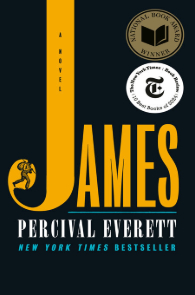
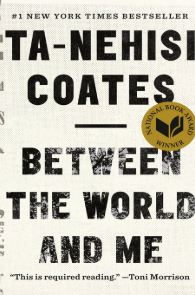
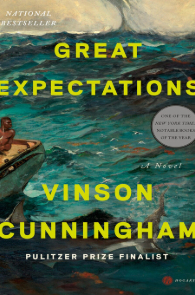
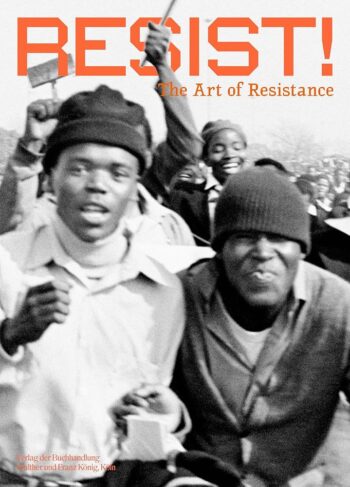
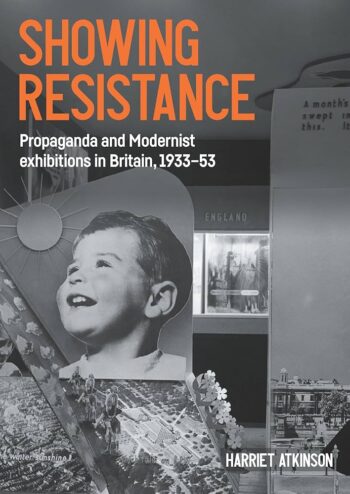
 February marks the start of Black History Month, a perfect time to celebrate the cultural and artistic impact of African American writers. Check out our list of novels and poetry by both acclaimed and budding Black authors for you to explore!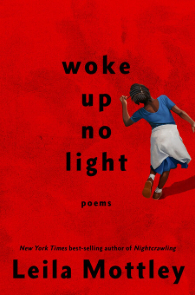
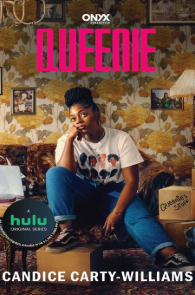

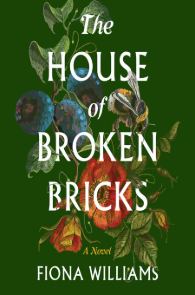
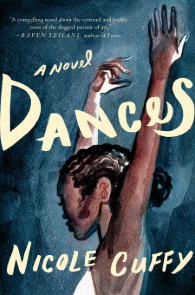
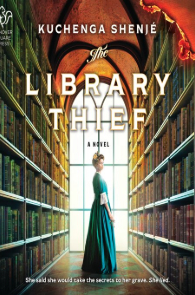
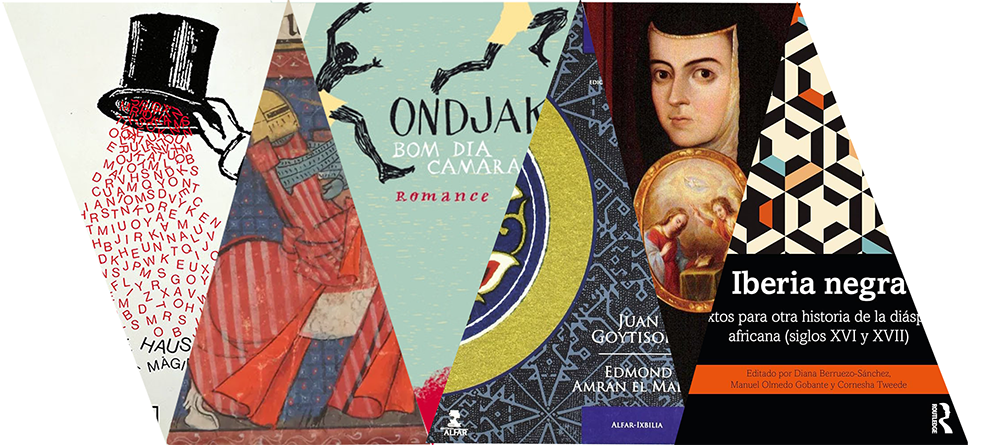
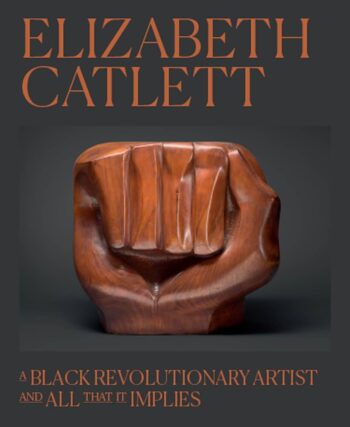
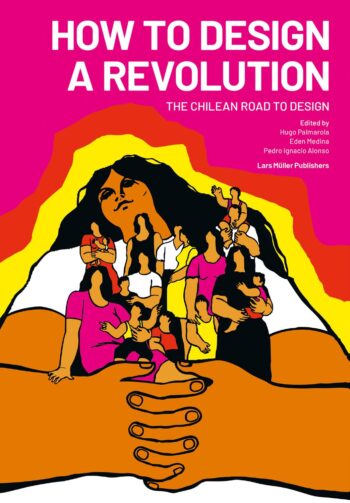
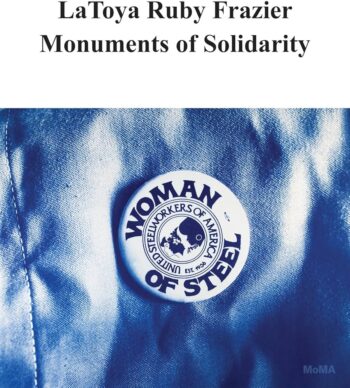

![Title: V mīri͡e musulʹmanstva:ezhenedelʹnai͡a, literaturnai͡a, politicheskai͡a i obshchestvennai͡a gazeta.<br />Date: 1911<br />
Date in Source: [1911-1912]](https://update.lib.berkeley.edu/wp-content/uploads/2025/01/Screenshot-2025-01-08-105604.jpg)
![A Collage of pages of Codex Mendoza. The Codex Mendoza is an Aztec codex, believed to have been created around the year 1541.[1] It contains a history of both the Aztec rulers and their conquests as well as a description of the daily life of pre-conquest Aztec society. The codex is written using traditional Aztec pictograms with a translation and explanation of the text provided in Spanish. It is named after Don Antonio de Mendoza (1495-1552), the viceroy of New Spain, who supervised its creation and who was a leading patron of native artists.](https://update.lib.berkeley.edu/wp-content/uploads/2025/01/imgonline-com-ua-twotoone-Ddaw07KdHVpPXVF-scaled.jpg)