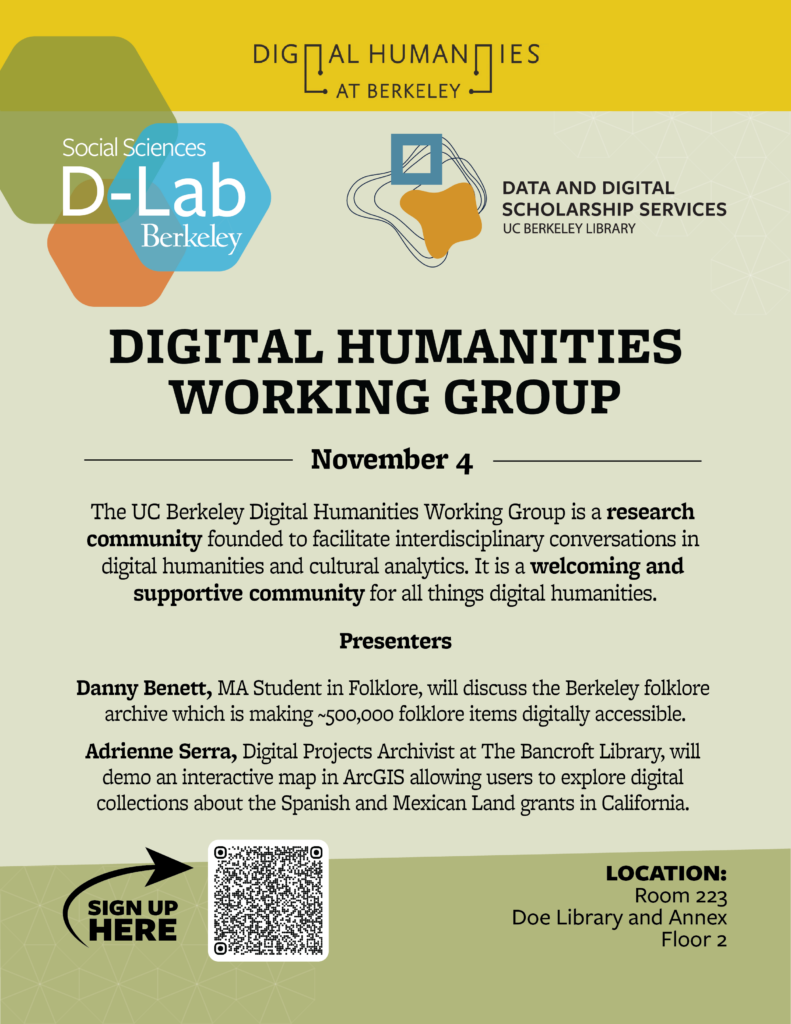
To my delight, I can now announce that the next Digital Humanities Working Group at UC Berkeley is November 4 at 1pm in Doe Library, Room 223.
For the workshop, we have two amazing speakers for lightning talks. They are:
Danny Benett, MA Student in Folklore, will discuss the Berkeley folklore archive which is making ~500,000 folklore items digitally accessible.
Adrienne Serra, Digital Projects Archivist at The Bancroft Library, will demo an interactive map in ArcGIS allowing users to explore digital collections about the Spanish and Mexican Land grants in California.
We hope to see you there! Do consider signing up (link) as we order pizza and like to have loose numbers.
Flyer with D-Lab and Data & Digital Scholarship’s Digital Humanities Working Group, November 4 @ 1pm session.
The UC Berkeley Digital Humanities Working Group is a research community founded to facilitate interdisciplinary conversations in digital humanities and cultural analytics. It is a welcoming and supportive community for all things digital humanities.
The event is co-sponsored by the D-Lab and Data & Digital Scholarship Services.
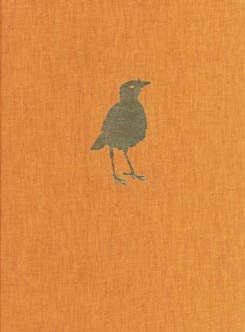
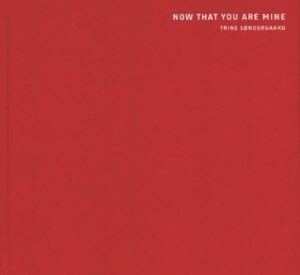
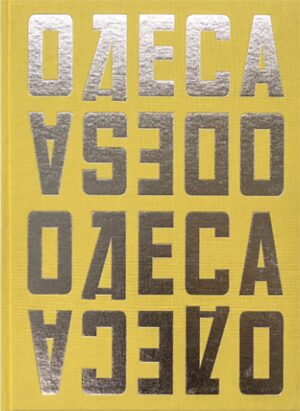
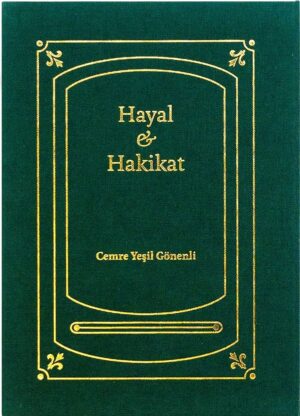
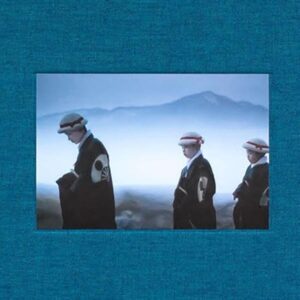
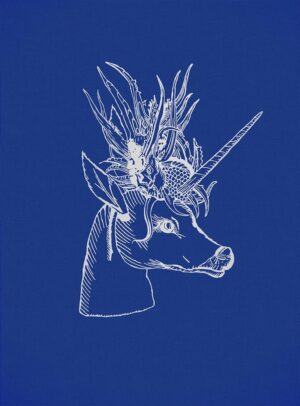
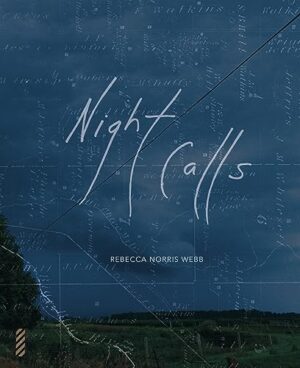
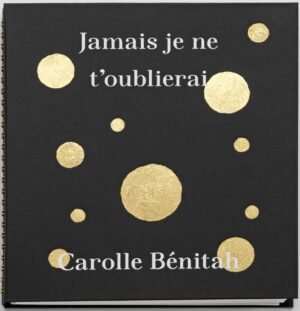
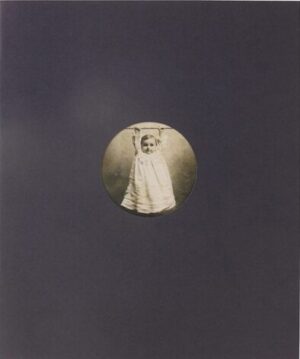
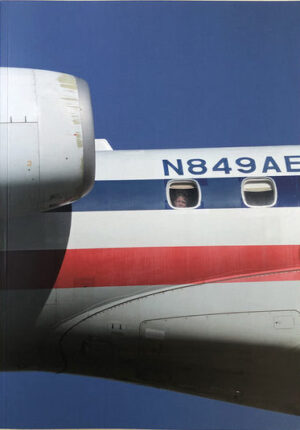
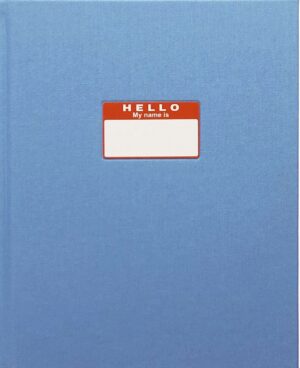
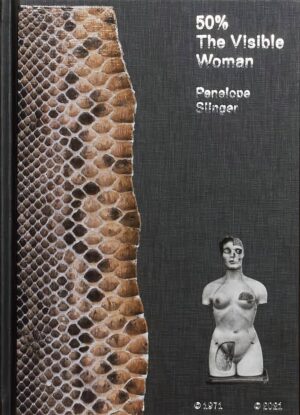
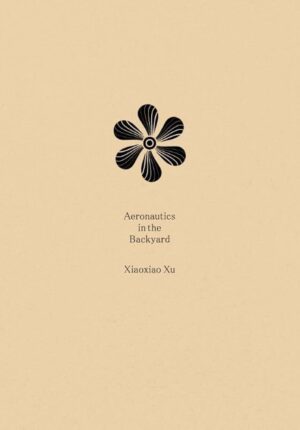
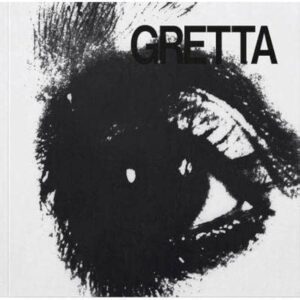
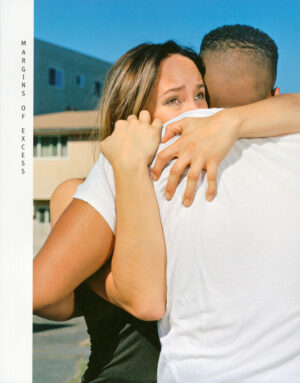
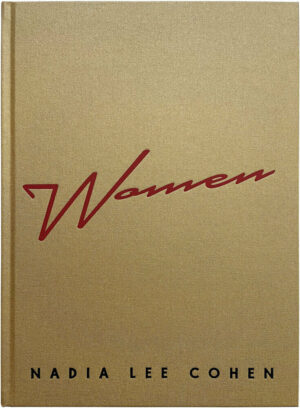
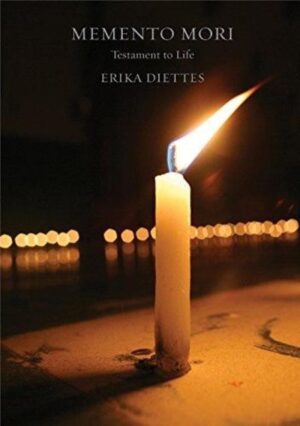
Check out these photography books generously donated by Richard Sun. Inquire with the Art History/Classics Library to view them in 308F Doe Library. Please request in advance, as they may be located off site.
These rare books are part of a generous curated donation from Richard Sun. They may be viewed in the Art History/ Classics Library. Request them in advance as they may be stored off site.
Here are a selection of recently received donations of rare photobooks generously curated and donated by Richard Sun. They may be viewed in the Art History/ Classics Library. Please request in advance, as they may be located off site.
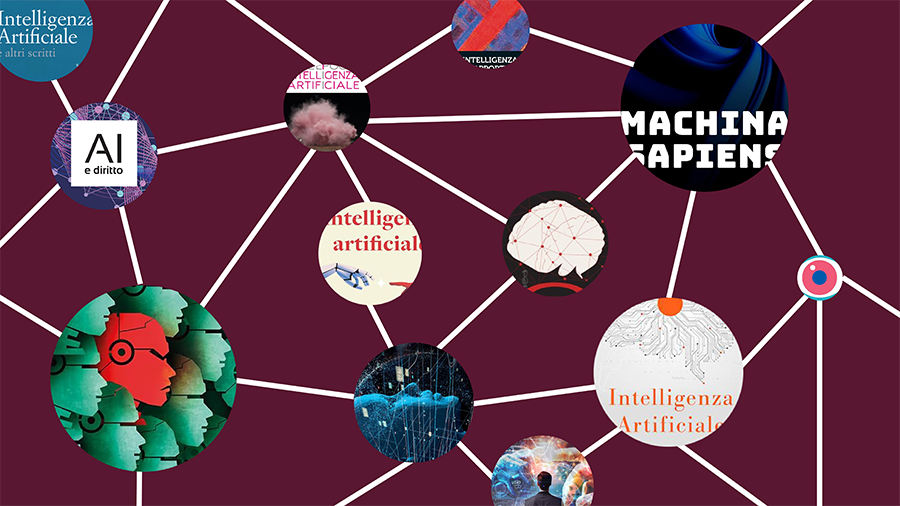
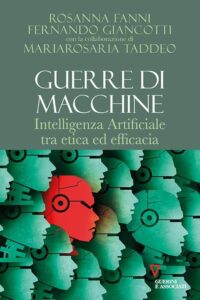
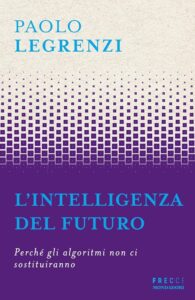
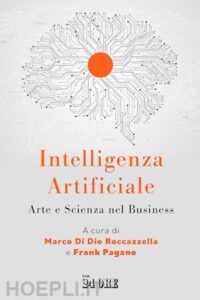
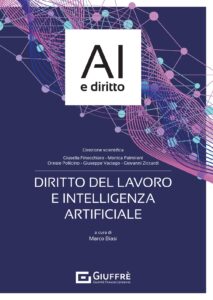
Judging by the explosion of new books on artificial intelligence, or AI, being published in Italy, you might think this Mediterranean country is the the editorial epicenter for one of the hottest interdisciplinary topics. Whether you are in the humanities, social sciences, human sciences, computer science, or STEM fields, “intelligenza artificiale” as it’s called in Italian will eventually find its way into your coursework or research. Here are just a few of the books on AI to recently reach bookstores in Italy and that have not automatically been sent to the UC Berkeley Library. However, if you are inclined just let your friendly Romance languages librarian know and he’ll be happy to push the first button to initiate this demand-driven order.*
*Demand-driven acquisition (DDA), is a model of library collection development in which a library only purchases materials when it is clear that a patron has demonstrated the need for a resource. If implemented correctly, DDA can make it possible to purchase only what is needed, allowing libraries to spend the same amount of money as they previously spent on monographs, but with a higher rate of use.
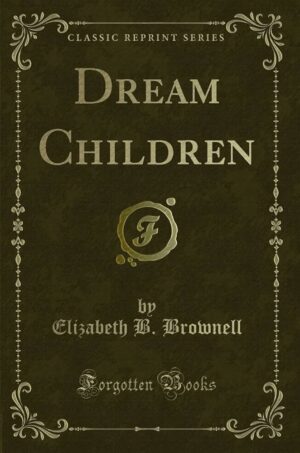
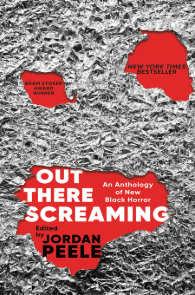
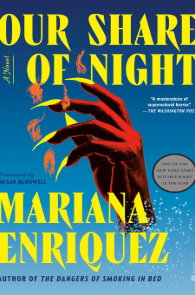
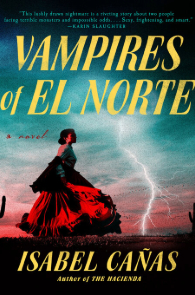
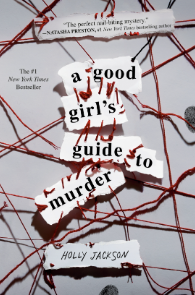
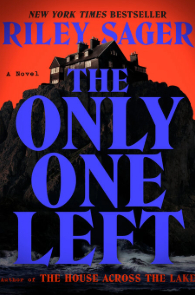
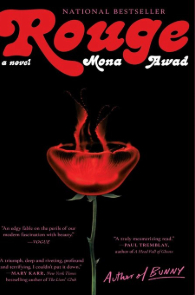
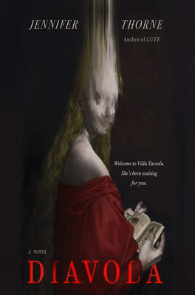
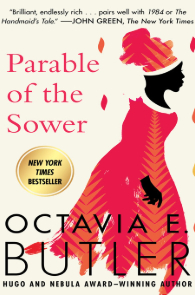
Get into the Halloween spirit with these chilling and spine-tingling reads! From ghostly tales and eerie mysteries to the darkest corners of the human mind, these books are perfect for embracing the spooky season this October. Check out more spooky finds at UCB Overdrive!
This October, the Literatures community in the UC Berkeley Library wants to acknowledge that Berkeley sits on the territory of xučyun (Huichin (Hoo-Choon), the ancestral and unceded land of the Chochenyo (Cho-chen-yo) speaking Ohlone people, the successors of the historic and sovereign Verona Band of Alameda County. For more information on UC Berkeley’s stance, take a look at Centers for Educational Justice & Community Engagement’s statement on Ohlone Land.
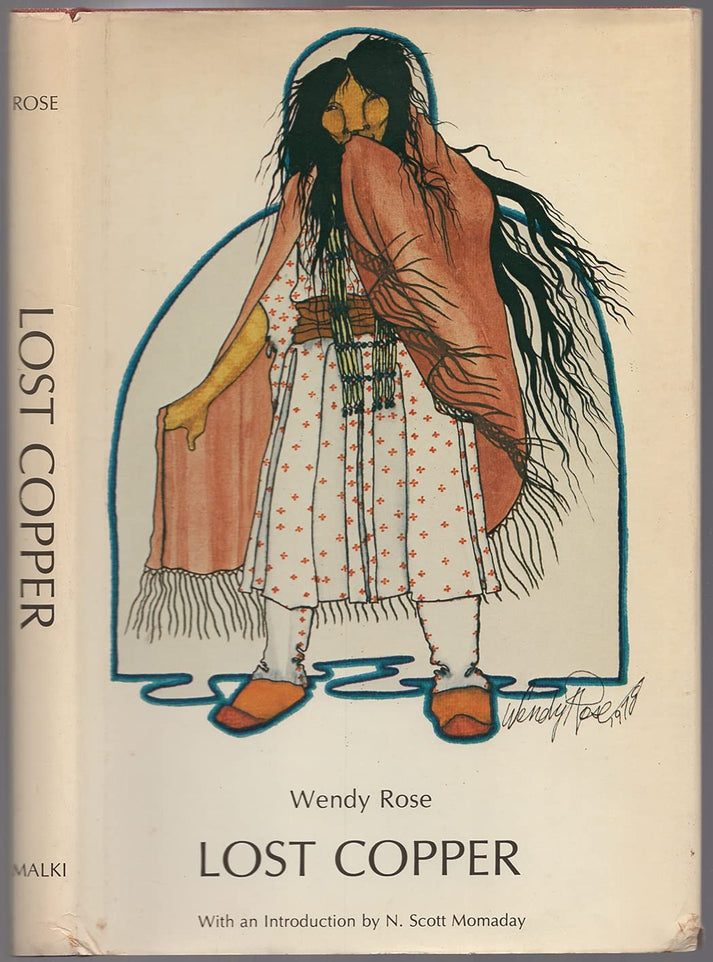
To celebrate that history, here are a few excerpts from different California Indigenous peoples including Ohlone as well as Chowchilla- or Coast Miwok poets that this Literatures group enjoys. We encourage you to read the full poems and check out the authors’ collections.
November 1980
November
and up near Eureka
the highway has tumbled
with what may be
the last earthquake
of the year; offshore
Jade green water
chops holes in the yellow
sandstone cliff.
[…]
You plan an uncomplicated path
through Colorado’s red dust,
around the caustic edge of Utah’s salt flats
a single night at a hotel
in the Idaho panhandle. Our plans change.
It’s spring, we are two Indian women along
together and the days open:
sunrise on a fine long road,
antelope against dry hills,
heron emerging from dim fields.
You tell me this is a journey
you’ve always wanted to take.
You ask me to tell you what I want.
[…]
Standing high on this hillside
the wind off the Pacific
forming the language of grasses
and escarpment eternally speaking
the sea birds far out
on their planes of air
gather and squander
what the short days encompass
[…]
– Stephen Meadows . For full poem check out the anthology The Sound of Rattles and Clappers (UC Library Catalog) or take a look at Meadows’ recent book Winter Work (UC Library Search).
Memory Weaver
Grandmother weave me a story
The memories she pulls out of me sting like poison. Her little fingers nimbly poke the top of my scalp, as if she was carefully choosing each memory to set on top of her loom.
The silence is deafening as Grandmother Dreamweaver works on my unusual request. She is the protector of dreams, not a keeper of memories. Yet, she understands what I have asked of her.
[…]
– Yulu Ewis. For full poem, see News from Native California, Berkeley. 32,.no. 3 (Spring 2019): 24 on Ethnic News Watch. For additional poetry, take a look at Dream Weaver and the Coyote-Man’s Tale (soon to be in the UC Berkeley Library).
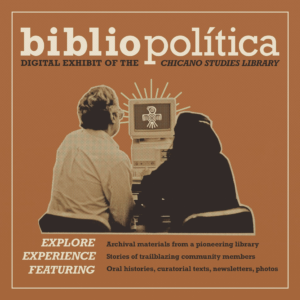
At the intersection of Chicana/o/x Studies, Digital Humanities and Library History, Bibliopolítica: A Digital History of the Chicano Studies Library chronicles the history of one of the first Chicana/o/x collections, the Chicano Studies Library at the University of California, Berkeley.
Bibliopolítica shares the stories of trailblazing library workers, students and community members who worked to preserve and make Chicana/o/x resources available. Featuring photographs, ephemera, archival documents, and oral histories, Bibliopolítica offers an original digital collection of primary sources and is the first audiovisual history of this special place that helped redefine what libraries could be.
Bibliopolítica takes its name from a book of the same title that Richard Chabrán and librarian colleague Francisco García-Ayvens published in 1984, BiblioPolítica: Chicano Perspectives on Library Service in the United States. In 2024, it remains one of the few titles dedicated to the discussion of Chicana/o/x librarianship. Bibliopolítica: a Digital History of the Chicano Studies Library adds to this important conversation, but it is only the beginning of a much needed longer and more detailed history of the Chicano Studies Library and the contributions of Chicana/o/x library workers.
Co-curated by Amanda Belantara – Assistant Curator at New York University Libraries, Lillian Castillo-Speed – former Chicano Studies Library Coordinator, now Head Librarian of the Ethnic Studies Library at UC Berkeley, and Richard Chabrán – former Chicano Studies Library Coordinator, Team Leader Latino Digital Archive Group.
Digitization of archival items by Chrissy Huhn and UC Berkeley Library IT and Oral history recordings at Berkeley by Pablo Gonzalez and Angelica Garcia. See additional credits.
It is with deep sadness that we share the news that Harvey Sharrer, our dear friend and colleague and co-director of the Bibliografia de Textos Antigos Galegos e Portugueses (BITAGAP) for more than thirty-five years, died unexpectedly last month.
Harvey, Professor Emeritus at the University of California Santa Barbara, passed away at his home in Santa Barbara on September 12, 2024. His life was dedicated to teaching, academic research, and world exploration.
Born in Oakland, California in 1940 to Ruth Morehouse and Harvey Sharrer, he spent his formative years in Oakland and Danville, California, graduating from San Ramon Valley High School in 1958. His passion for foreign languages was ignited by his high school Spanish teacher, who inspired him to pursue language studies in college. After graduating from high school, Harvey took a summer course at the Monterey Institute of Foreign Studies and spent Fall quarter at the University of San Francisco. He then took a gap year to work with his father’s remodeling business, saving money for a transformative month’s-long European trip with a high school friend—an experience that kindled his lifelong love for world travel.
Returning to the U.S., Harvey earned his bachelor’s and master’s degrees in Spanish from UC Berkeley in 1963 and 1965, respectively, followed by a doctorate in Hispanic and Luso-Brazilian Literature from UCLA in 1970, with a dissertation on “The Legendary History of Britain from its Founding by Brutus to the Death of King Arthur in Lope García de Salazar’s Libro de las bienandanzas e fortunas.” Even before finishing his dissertation he had published a Critical Bibliography of Hispanic Arthurian Material, I: Texts: The Prose Romance Cycles (London: Grant & Cutler, 1977) in Alan Deyermond’s fundamental series of Research Bibliographies & Checklists. He spent his entire academic career at UC Santa Barbara, starting in 1968 as an Acting Assistant Professor and progressing steadily through the canonical ranks to full professor in 1981. He served as chair of the UCSB Department of Spanish & Portuguese in 1978-1981 and then again 2002-2003.
Dr. Sharrer was universally admired for his scholarship and the impressive breadth of his knowledge of medieval literature and culture, encompassing Arthurian literature, the medieval Romance lyric, and, increasingly, the digital humanities—a field in which he was a pioneer. He made significant scholarly contributions to our knowledge of medieval and early modern Portuguese, Galician, Spanish, and Catalan literatures. His expertise in Catalan was honed by the two years (1984-1986) he spent as the director of the Barcelona Study Center (U. of California and U. of Illinois), where he enjoyed the friendship of Vicenç Beltran and Gemma Avenoza, who would become colleagues in PhiloBiblon as the directors of the Bibliografia de Textos Antics Catalans (BITECA).
He collaborated on BITAGAP with his friends Arthur Askins and Martha Schaffer from its beginning in 1989 as one of PhiloBiblon‘s three constituent bibliographies, all three dedicated to uncovering and documenting the primary sources of the medieval Romance literatures of the Iberian Peninsula:
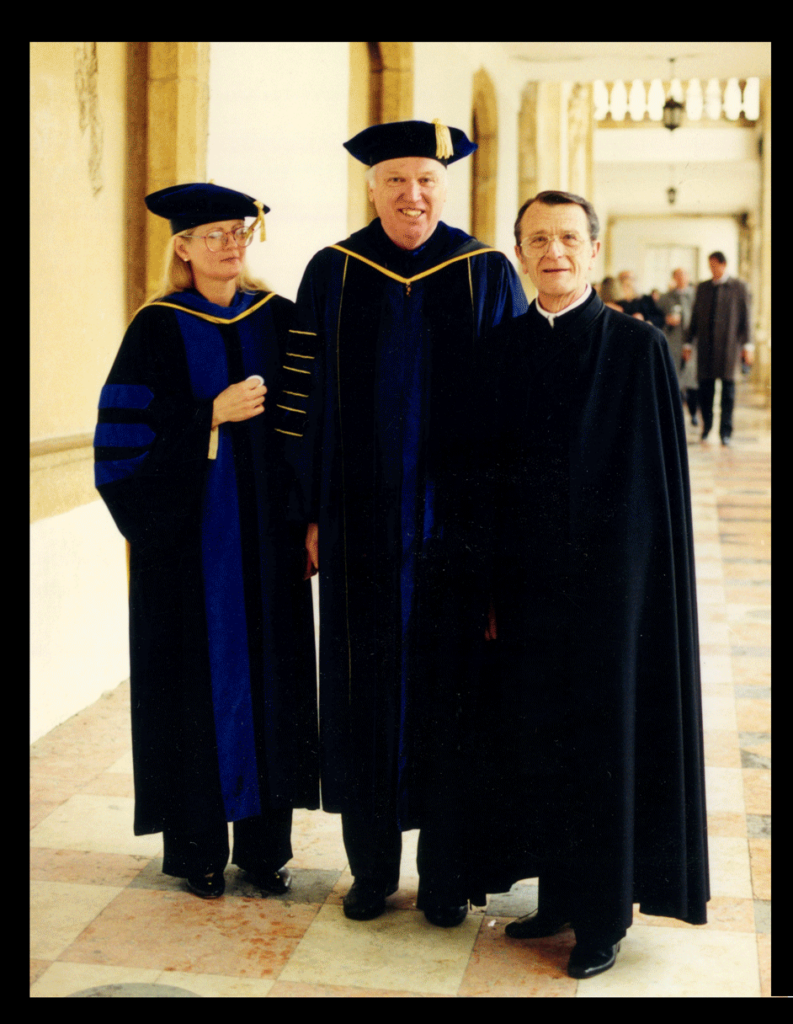
Martha Schaffer and Arthur Askins with Harvey Sharrer in Coimbra in 1999, on the occasion of the investiture of Askins as Doctor honoris causa of the Universidade de Coimbra.
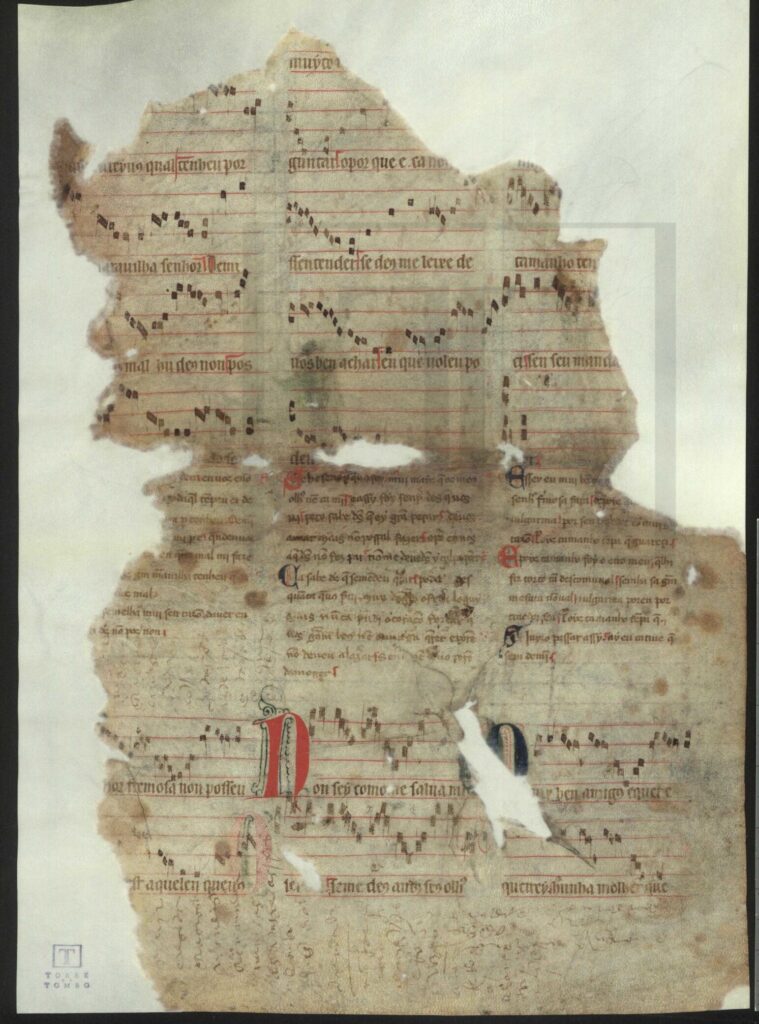
The three colleagues were indefatigable ratones de bibliotecas, systematically quartering Portugal, from Bragança in the north to Lagos in the south, in search of new manuscripts of medieval Portuguese and Galician texts. They found the richest collections, however, in Lisbon: the Biblioteca Nacional de Portugal, the Ajuda library, and Arquivo Nacional da Torre do Tombo. They and their Portuguese collaborators, especially Pedro Pinto and Filipe Alves Moreira, combed through those collections assiduously. Harvey’s most spectacular discovery, in 1990, was the eponymous Pergaminho Sharrer, a parchment fragment with seven lyric poems in Galician-Portuguese, with music, by King Dinis of Portugal (1278-1325) . It had been used as the cover of a bundle of 16th-c. documents in the Torre do Tombo, a not uncommon practice during the period.
Pergaminho Sharrer, with seven poems by King Dinis of Portugal, with music
Retirement came in 2011, but it did little to slow Harvey down. He continued to participate in conferences worldwide and, at UCSB, generously proofread articles for his former department. He remained a respected and admired scholar, mentor, and colleague throughout his life.
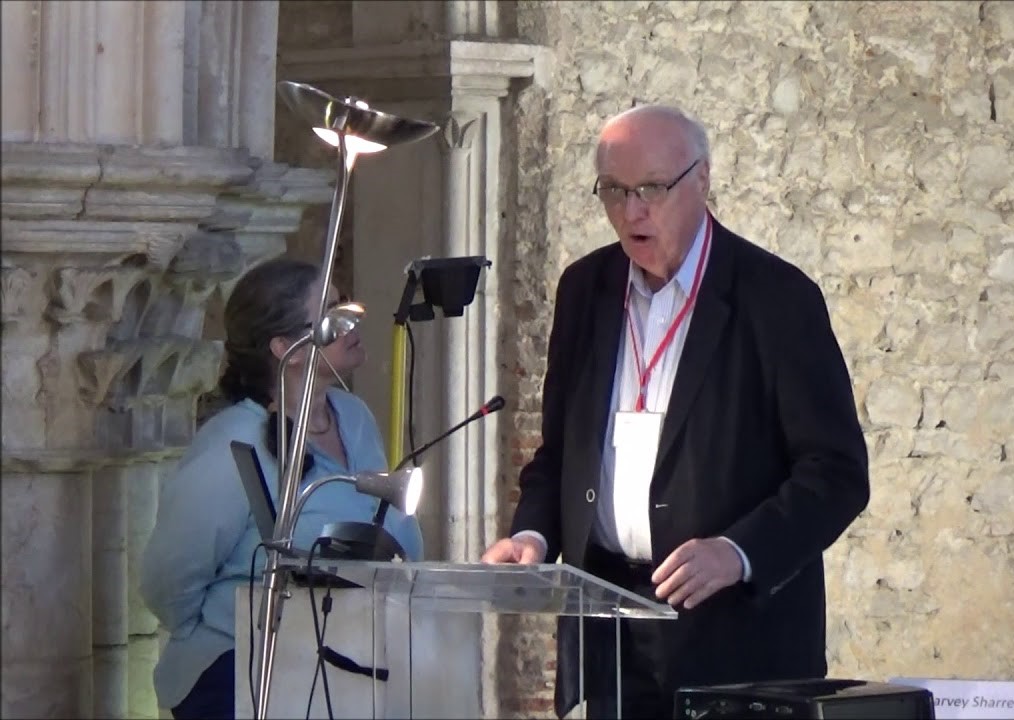
Harvey at the microphone
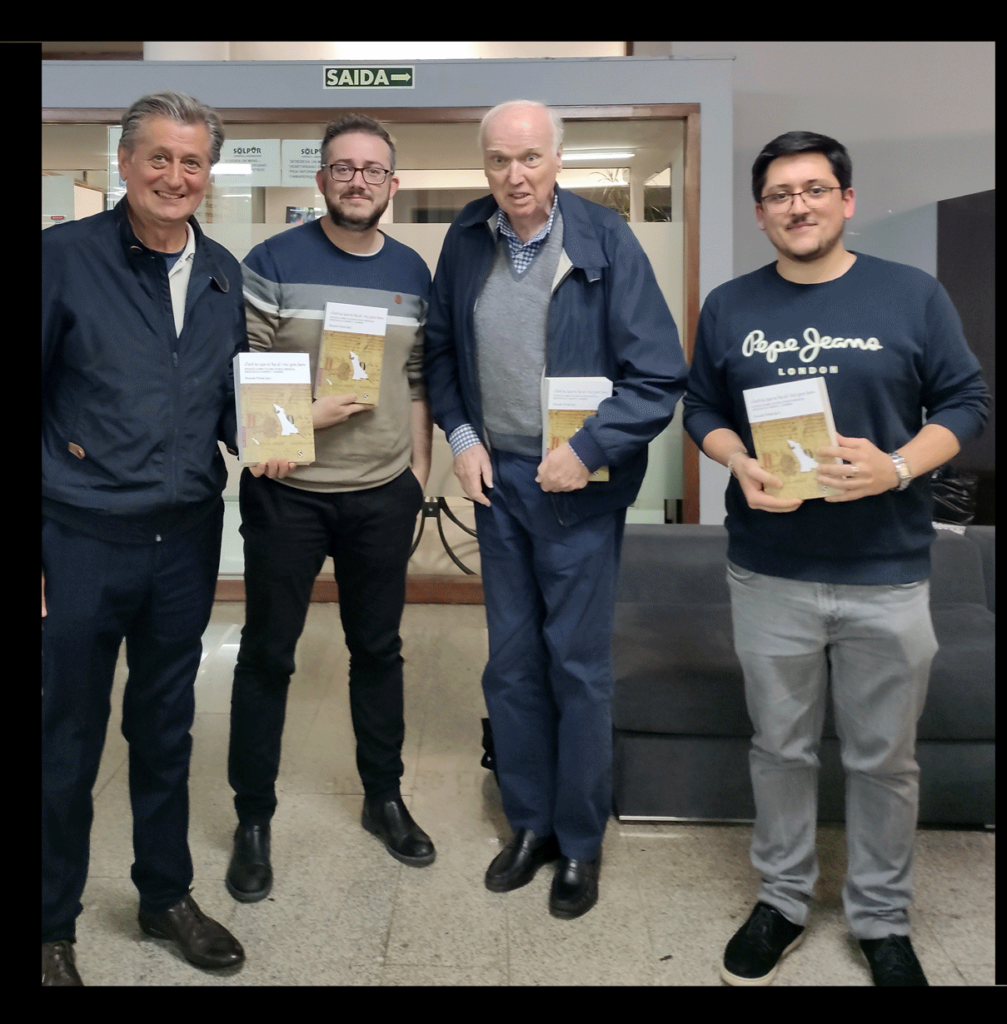
Harvey’s career was commemorated by a splendid volume of homage studies edited by Ricardo Pichel, “Tenh’eu que mi fez el i mui gran ben”. Estudos sobre cultura escrita medieval dedicados a Harvey L. Sharrer (Madrid: Silex, 2022):
Presentation of the homage volume in Santiago de Compostela: (from left): Xavier Varela Barreiro, Ricardo Pichel, Harvey Sharrer, Miguel García-Fernández
Harvey Sharrer will be deeply missed for his extraordinary scholarship, his remarkable mentorship of and generosity toward students and young scholars, and his courteous and congenial personality, um cavaleiro da escola antiga. His work will continue to influence future generations of students and scholars. In recognition of his scholarly career and lasting impact on the Santa Barbara campus, the campus flag was lowered to half-staff on Wednesday, October 2.
Harvey, who never married and considered his scholarly career to be his life’s work, is survived by a sister, Elizabeth Porter, in Upland, California, a brother, William Sharrer, in Louisville, Kentucky, and several cousins, nieces, and nephews who will miss him dearly.
Harvey did not wish to have a formal memorial service, but rather planned to create an endowment in his name at UC Santa Barbara, to be called the “Harvey L. Sharrer Dissertation Travel Grants.” Plans for this endowment are going forward actively, and we will announce them opportunely. It will support future scholars in their research endeavors, particularly in the field of Ibero-Romance languages, reflecting Harvey’s lifelong passion and areas of expertise.
William L. Sharrer Elide V. Oliver Charles B. Faulhaber
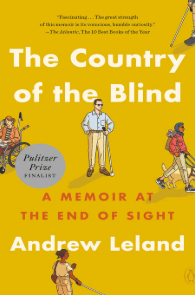
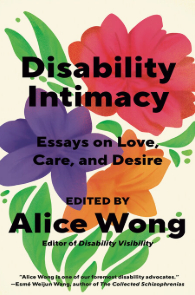
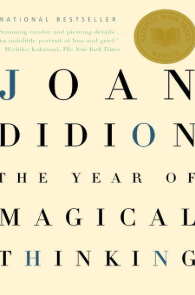
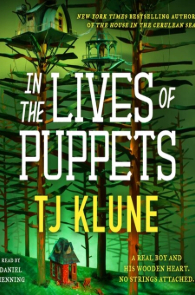
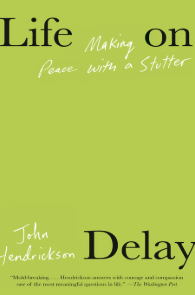
Celebrate Disability Awareness Month by exploring powerful stories and insights from disabled authors. Discover more diverse perspectives that inspire and educate on UCB Overdrive!