It’s an election year. If you haven’t registered to vote yet, there’s still time! In California, you need to be registered at least 15 days before Election Day (this year that’s Tuesday, November 5). You can click on the link to the right to register.
As a quick reminder, there are two criteria to register. First (legal status), you must be a United States citizen and a resident of California. Second (age), you must be 18 years old or older on Election Day. You do not need a California state identification to register.
Once you register, you will be able to either vote by mailor at the polls on election day. Click on the link to the right to find out more information or to watch a video about how the process works.
If you aren’t from this state, be aware that California residents vote on multiple propositions alongside United States president. You can request an Official Voter Information Guide from the State which will contain a short blurb with pros/cons on each item for consideration. You can also choose to take a look at what will (probably) be on the ballot on Ballotpedia. Those propositions will include things like Mental Health Services; the right to marry; involuntary servitude; and more.
If you’re wanting to learn more about voting as a right, consider looking at this ACLU Voting 101 Toolkit:
Find the Voting 101 Toolkit on the ACLU’s website (click on image).
To my delight, the Hugo winners have been announced. Check out the full list of categories, short lists, and winners on the Hugo Awards website. On my side, I’ve read the short stories (i.e., less than 7,500 words) and now am making my way through the novelettes (i.e., 7,500 to 17,500 words). I am enjoying myself immensely.
This year’s novel (i.e., 40,000 words or more) winner is Emily Tesh’s 2023 Some Desperate Glory (Tor Books pub., UC Library Book Search).
T. Kingfisher’s 2023 A Fairy Tale Transformed: Thornhedge (Tor, Titan UK pub., UC Library Search) won the prize for novella (i.e., 17,500-40,000 words).
In novelettes, we’ve got Naomi Kritzer’s “The Year Without Sunshine” (Uncanny Magazine, November-December 2023, fulltext).
In short stories, there is Naomi Kritzer’s “Better Living Through Algorithms” (Clarkesworld, May 2023, fulltext).
In graphic novels, we’ve got the 11th volume of SAGA by Brian K. Vaughan, art by Fiona Staples (Image, pub., UC Library Search).
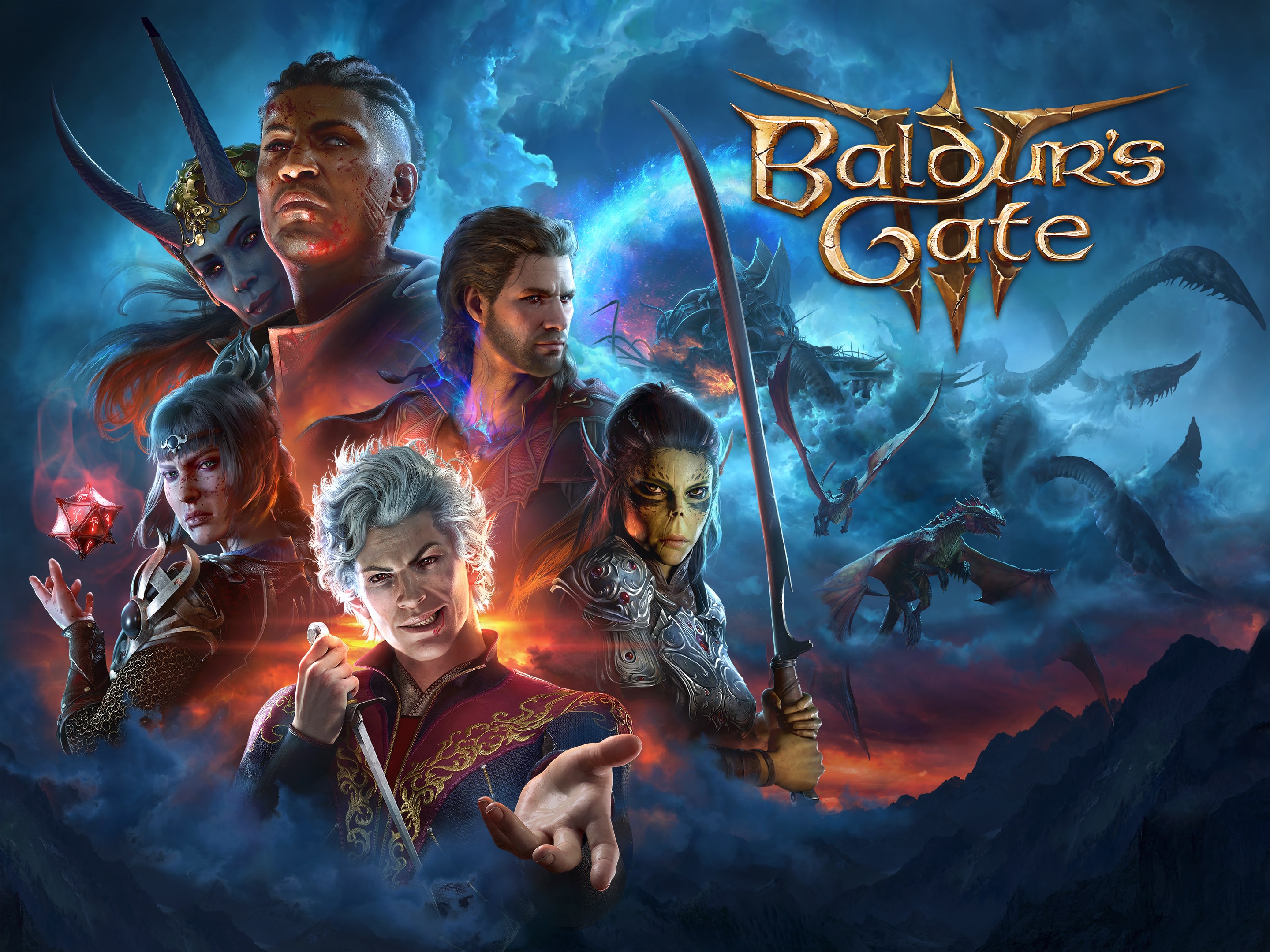
Then, in games or interactive works, Baldur’s Gate 3 (Larian Studios, prod., website).
There is more, but this post is long enough. I encourage you to check out the full list linked at the top. And, If you have time, I hope you enjoy.
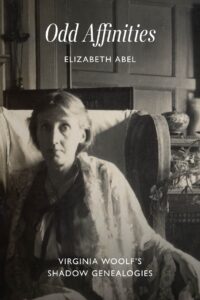
Mrs. Dalloway’s Literary and Garden Arts (website) got there first, nonetheless I’m thrilled to share the news that Prof. Elizabeth Abel released Odd Affinities : Virginia Woolf’s Shadow Genealogies with the University of Chicago Press this year.
Abel’s Odd Affinities (2024).
Prof. Abel (faculty page) teaches with the UC Berkeley English Department. They teach courses on Woolf and the Bloomsbury Group as well as broader overviews of 19th and 20th century English literatures. This fall, they are leading courses “Memoir and Memory” as well as on graduate readings and special study.
In Odd Affinities, Prof. Abel discusses Woolf’s influence beyond a female tradition, looking at echoes of Woolf work in four major writers from diverse cultural contexts: Nella Larsen, James Baldwin, Roland Barthes, and W. G. Sebald. Looking at those “odd affinities,” Abel looks at how “Woolf’s career and the transnational modernist genealogy was constituted by her elusive and shifting presence.”
You can access Abel’s book through the UC Library Search, where you can access it online and download the fulltext.
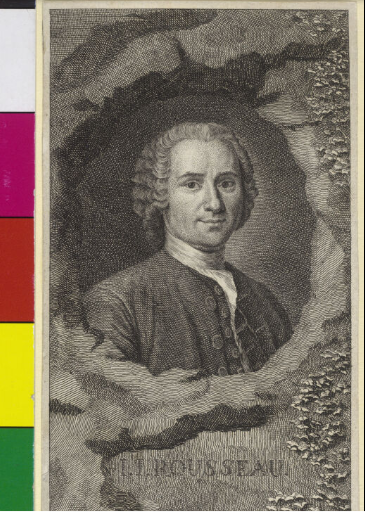
Image: Jean-Jacques Rousseau, 1712-1778. Austrian National Library
In partnership with the Voltaire Foundation, the Correspondance complète de Rousseau ONLINE makes Ralph Leigh’s critical edition in 52 volumes in the original French-language available as an ebook collection for the first time. The digital corpus gathers together all 8,000 letters written to and by one of the most important figures of eighteenth-century intellectual history, as well as the correspondence between third parties relating to the writer and his time. Drafts and copies have been collated against the original manuscripts and all variants reproduced. The extensive annotations identify individuals, events and places, explain the linguistic usages of the eighteenth century, give bibliographical information and clarify obscure allusions.
To my delight, the Booker Prize longlist has been announced! I’m rather looking forward to a couple long weekends reading through these.
For the list, I’ve gone ahead and included the Booker Prizes’ official links for title and authors as well then a UC Search or Berkeley Public Library link in the parenthesis.
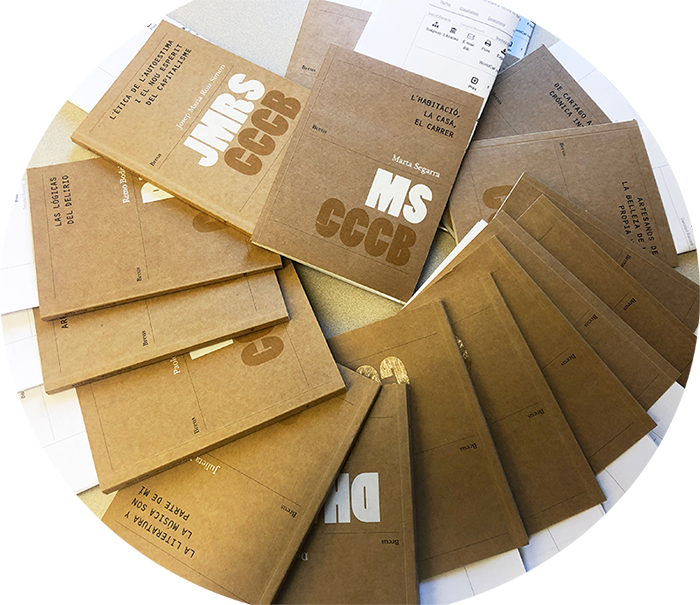
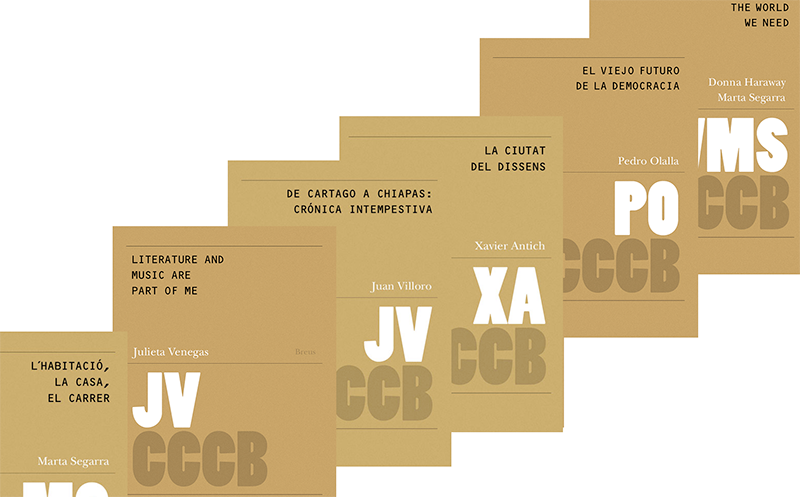
The Centre de Cultura Contemporània de Barcelona (CCCB) makes available the transcripts of debates, lectures, seminars, and symposia given by luminaries from both sides of the Atlantic over the years. Here are a few of these printed lectures, now published as bilingual pamphlets by Editorial Breus, now in the UC Berkeley Library collection:
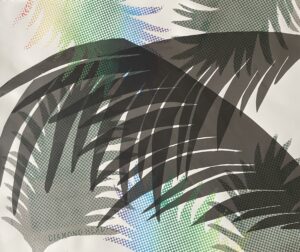
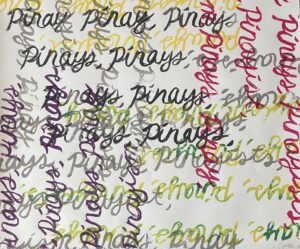
Christine Santos, recipient of the 2023/24 Art Practice and University Library Printmaking Award, is a 2024 graduate of the Art Practice Department at the University of California Berkeley. Two of Christine’s prints, Rainbow State Fantasies and Urgent Lexicon Pinay, have been added to the Graphic Arts Loan Collection and can be borrowed by students at UC Berkeley starting this fall.
Below is an Artist Statement from Christine about her work:
I work in digital painting and recently photocopy art, printmaking, and installation. Pulling from state digital archives and my digital snapshots, I digitally manipulate and assemble them to address colonial omission, aesthetic failure, and non-imperial formations. Connections to speculative fiction, DIY culture, cyberfeminism, and Pop Art movement can be made from my work. For example, Archival Densities is an installation series using altered state records from the Digital Archive of Hawai’i to stage fictional events of resistance. I received theAY 2023 – 2024 Center of Race and Gender Student Research Grant to conduct photographic research at Hawai’i’s Bishop Museum to advance my screen print work in Archival Densities. This includes Rainbow State Fantasies, which is now a part of the Graphics Arts Loan Collection.
Rainbow State Fantasies is a screen print monoprint that complicates the popular romanized colonial idea of the “South Seas Island Paradise”. The failed aesthetic of the American curio postcard image of Diamond Head, Hawai’i and suggestive tropical plant silhouettes articulate a visual resistance to this colonial imagination that lingers in Hawai’i’s socioeconomic material culture related to tourism media. Resistance pedagogy and history informs this work as well as Urgent Lexicon: Pinay, the accompanying screen print to this award. Urgent Lexicon: Pinay is inspired by the process of reading Pinay Power by Melinda de Jesus. In this print, I made a handwritten account of the times “pinay” is mentioned and layered it to the point of abstraction.
The Art Practice & University Library Printmaking Award is given to the undergraduate student in the Department of Art Practice who has demonstrated an astute understanding of printmaking techniques, as well as an advanced ability to express themselves through the medium of printmaking. This award was established in 2018 by the Department of Art Practice and the University Library, and is given to one or two students each academic year.
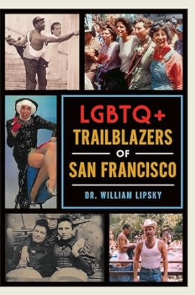
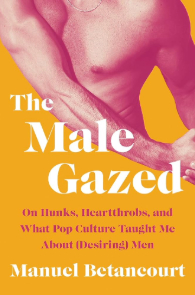
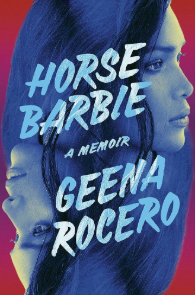
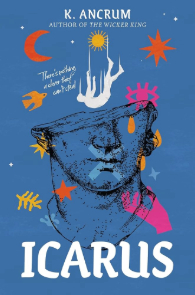
Celebrate Pride Month with our handpicked selection of books by LGBTQ+ authors and characters! Discover powerful stories that shine a light on diverse identities and experiences in the LGBTQ+ community and check out more at our Overdrive.
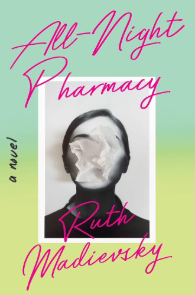
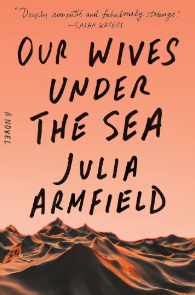
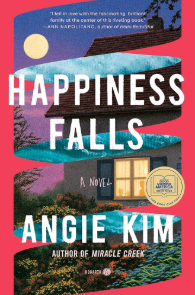
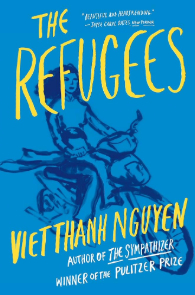
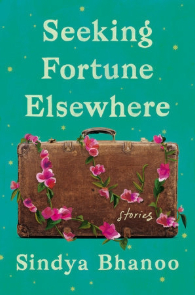
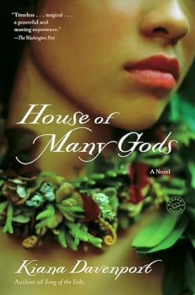
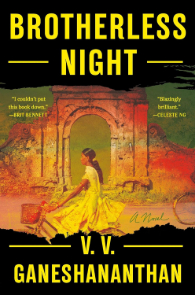
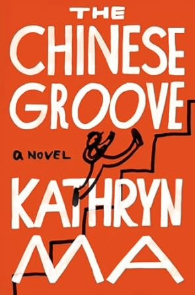
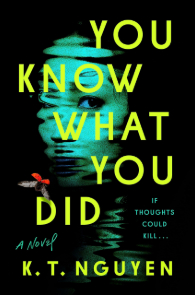
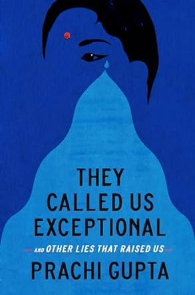
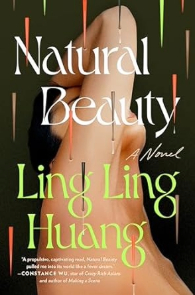
Dive into AAPI Month with our lineup of awesome books by Asian American & Pacific-Islander authors and characters! Get ready to explore their unique stories and perspectives, celebrating the richness of their culture, and find more at UCB Overdrive.
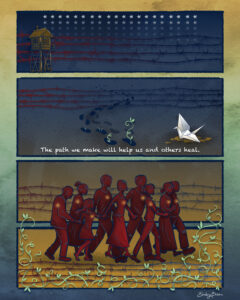
“TOPAZ” by Emily Ehlen, a graphic illustration based on oral histories recorded in the Oral History Center’s Japanese American Intergenerational Narratives project
In April 2024, Oral History Center (OHC) interviewers Amanda Tewes, Shanna Farrell, and Roger Eardley-Pryor traveled to Salt Lake City, Utah, where we presented our work on the Japanese American Intergenerational Narratives Project at the annual meeting of the National Council on Public History (NCPH). We also joined a pilgrimage to the central desert of Utah along with other public historians and several members of the Wakasa Memorial Committee, including survivors and descendants of the Topaz prison camp in Utah, one of the ten US government mass incarceration sites where Japanese Americans were unjustly imprisoned during World War II. Our experiences in Utah at NCPH and at Topaz reiterated how history remains a powerful and living force, and how oral history can help promote that power. Difficult questions about “belonging” appear throughout many of the oral histories in OHC’s Japanese American Intergenerational Narratives project, and those same questions punctuated much of our time in Utah this past April.
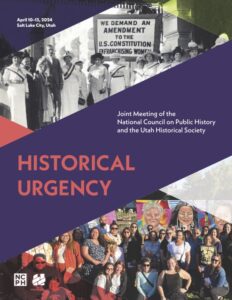
Program cover for the annual meeting of the National Council on Public History held in Salt Lake City, Utah, from April 10-13, 2024.
“Historical Urgency” was the conference theme for this year’s meeting of the National Council on Public History (NCPH) in Salt Lake City, where some 740 attendees presented, networked, and learned together. Presentation topics included community engagement, particularly with communities whose histories face urgent existential threats; communicating the critical importance of history and historical thinking; discourse and dialogue in a time of extreme social polarization; exploration of oral history, especially the collection of oral histories from older generations; and repatriation of human remains and cultural objects. As noted by NCPH president Kristine Navarro-McElhaney, conference discussions highlighted how historians’ work for public audiences remains essential to the fabric of our society, especially during this time of political and cultural polarization—and yet historical perspectives, tools, and history workers themselves have increasingly come under threat. While urgency may seem in opposition to the often slow and deliberate work that oral historians and other public historians do to build trust and lasting relationships with the communities we serve, many of us cannot help but feel a strong sense of urgency and importance in our efforts to collaboratively excavate the past and elevate community stories in ways that help make meaning in the present.
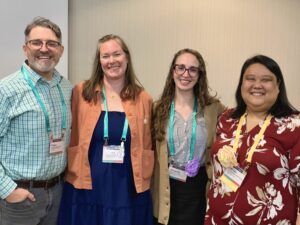
Left to right: OHC interviewers Roger Eardley-Pryor, Shanna Farrell, and Amanda Tewes, and Executive Director of the Japanese American Museum of Oregon Hanako Wakatsuki-Chong at the 2024 NCPH conference in Utah
We felt especially honored to share at this NCPH our work on the Japanese American Intergenerational Narratives Project. Our roundtable presentation recounted the project’s origins, the trauma-informed interviewing approach we used with these oral histories, and some of emergent themes from the project’s interviews, like “belonging,” “art and expression,” “healing,” and “memorialization.” The roundtable’s discussion was moderated by Hanako Wakatsuki-Chong, the Executive Director of the Japanese American Museum of Oregon and a former National Park Service Ranger who recorded her own oral history as part of the project. Nancy Ukai and Masako Takahashi, both of whom also recorded oral histories as part of the project, attended and also presented at the NCPH conference in Utah, where they heard portions their own oral history interviews during our presentation. Our presentation included audio clips from season 8 of The Berkeley Remix podcast, “From Generation to Generation”: The Legacy of Japanese American Incarceration,” as well as graphic narrative artwork by Emily Ehlen, all based on oral histories recorded for the Japanese American Intergenerational Narratives Project.
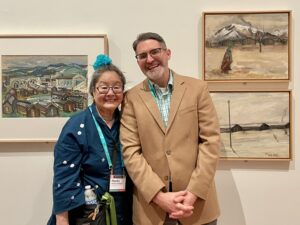
Masako Takahashi and Roger Eardley-Pryor at the Pictures of Belonging exhibit at the Utah Museum of Fine Arts
Relatedly, during the NCPH conference, I (Roger Eardley-Pryor) joined other public historians for a tour of the Utah Museum of Fine Arts on the University of Utah campus to see a new exhibit titled Pictures of Belonging: Miki Hayakawa, Hisako Hibi, and Miné Okubo. The exhibition was curated by Professor ShiPu Wang of UC Merced and features over 100 paintings and works on paper by these three Japanese American women artists, all critically acclaimed with long and productive careers. Yet during World War II, both Hibi and Okubo were unjustly incarcerated in Utah at Topaz, along with Hayakawa’s parents. Pictures of Belonging follows the three artists’ prewar, wartime, and postwar art practices, sharing an expanded view of the American experience by women who used artmaking to take up space, make their presence and existence visible, and assert their own belonging. Many of the exhibit’s artworks are on view to the public for the first time. The exhibit’s titular theme of “belonging” resonated nicely with the Oral History Center’s Japanese American Intergenerational Narratives Project at UC Berkeley, and Okubo even earned her Master in Fine Arts degree in 1938 from UC Berkeley. Our tour of the art exhibit was co-led by Sarah Palmer, Head Exhibition Designer at the Utah Museum of Fine Arts, and by Dr. Kristen Hayashi, Director of Collections Management & Access and Curator at the Japanese American National Museum in Los Angeles. I am especially grateful I could tour Pictures of Belonging with Masako Takashashi, who herself is an outstanding multi-media artist, was born behind barbed wire at the Topaz prison camp in Utah, and who I worked with to record her forthcoming oral history interview for the Japanese American Intergenerational Narratives Project.
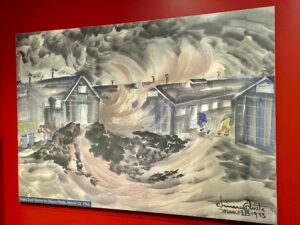
“Dust Storm, Topaz” by Chiura Obata, reprint of 1943 watercolor as displayed at the Topaz Museum in Delta, Utah
Our visit to the Utah Museum of Fine Arts also included another new exhibit titled Chiura Obata: Layer by Layer, which presents an in-depth look at the creation and conservation of Obata’s beautiful “Horses” silk screen painting from 1932. Chiura Obata was an esteemed artist and professor at UC Berkeley who was also incarcerated during World War II at Topaz in Utah, where he and Miné Okubo taught art classes for their fellow Japanese American incarcerees. Kimi Kodani Hill, the granddaughter of Chiura Obata, recently presented at the Utah Museum of Fine Arts on her grandfather’s life and work, and I’m grateful that during our recent meeting in Berkeley, prior to my own Utah trip, she shared stories with me about Obata’s silk screen exhibit. During the screen’s 2022 conservation treatment, conservators at Nishio Conservation Studio discovered that the four-paneled screen contained hidden full-scale preparatory charcoal drawings of the horses. In addition, they found that the screen’s internal layers were made of practice drawings by Professor Obata and his summer 1932 students. The recently conserved screen, the full-scale under-drawings, and a selection of the practice drawings were all on display at the Utah Museum of Fine Arts, along with a short film on the conservation process, which itself is an artform. After we returned to the Bay Area, Kimi Kodani Hill provided a guided tour of another exhibition with forty of Chiura Obata’s watercolors, woodblock prints, and ink paintings from several decades of his life that are currently displayed through mid-July at the San Francisco Museum of Modern Art.
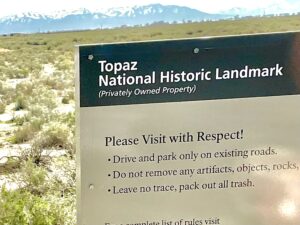
National Historic Landmark sign at Topaz notes that the site is privately owed by the Topaz Museum Board and asks visitors not to remove any objects, including rocks
On April 11, 2024, in Salt Lake City at the NCPH conference, Masako Takahashi and Nancy Ukai joined other members of the Wakasa Memorial Committee to present their own panel titled “Who Writes Our History?” This panel explored the life and tragic death of James Hatsuaki Wakasa, who was shot and killed while confined in Topaz eighty-one years earlier on April 11, 1943. Their panel also addressed urgent and ongoing challenges over descendant and survivor community consent and collaboration with the Topaz Museum following the recent discovery and excavation of the Wakasa Memorial Stone from the Topaz incarceration site in 2021. That massive, 1,000-pound stone memorial was erected in 1943 by Japanese American incarcerees at Topaz just after James Wakasa’s murder there. But US government authorities quickly demanded the memorial’s destruction in their effort to bury acknowledgement of Wakasa’s death from a bullet fired by a white, nineteen-year-old US soldier who was quickly acquitted of any crime. The Wakasa Memorial Committee’s NCPH presentation, which was standing-room only, featured short films and personal reflections on the life, death, memory, and now-contested stone memorial of James Wakasa.
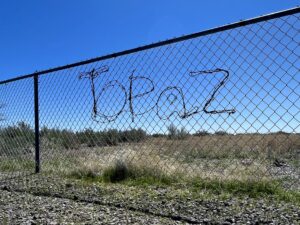
A perimeter fence at Topaz bears the name of the WWII-era mass incarceration in barbed wire
Two days later, still in Utah, Oral History Center interviewers and several other public historians joined Ukai, Takahashi, and other members of the Wakasa Memorial Committee on a pilgrimage to the dust-strewn ruins of the Topaz site on the edge of the Great Basin in Utah’s central desert. The bus ride out to the remote site included watching historical films and sharing personal backgrounds and reflections amongst this group that had assembled from eight different states. Hours later, we arrived at a sparse, sun-bleached landscape encircled by distant snow-capped mountains. Much of the original barbed wire fence around Topaz remains today where some 8,000 Americans were unjustly imprisoned for years during World War II. Crumbled concrete foundations mark sites of now-gone guard towers where US soldiers aimed their guns down at the Japanese American prisoners, and from where they occasionally fired shots, like the one that pierced James Wakasa’s heart in 1943. At the Topaz site, we joined members of the Topaz Museum Board, including board president Patricia Wakida; Scott Bassett, board secretary and education director at the Topaz Museum; and Topaz descendant and board member Dianne Fukami. Together, we all participated in a ceremony organized by the Wakasa Memorial Committee to commemorate Wakasa’s death, as well as the 140 people who died behind barbed wire at Topaz, and the sixteen Japanese American soldiers drafted from Topaz who died during their World War II military service.
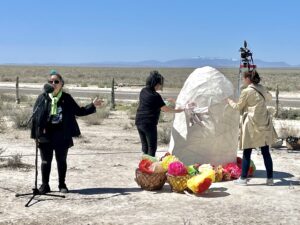
Wakasa Memorial Committee members Masako Takahashi (left), Nancy Ukai (center) and Lauren Araki at Topaz near where James Wakasa was shot 81 years earlier. Ukai and Araki drape ancestral name tags around an artist’s rendition of the Wakasa Memorial Stone.
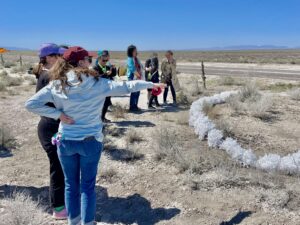
The Wakasa 81st Memorial Ceremony at Topaz began at block 36-7-D, where James Wakasa’s tar-paper barracks once stood. From there, we re-traced Wakasa’s steps across the dusty and now-hauntingly empty landscape to the western perimeter site of his murder, near where the Wakasa Memorial Stone once stood before incarcerated Japanese Americans, under government orders to destroy the memorial, buried it in 1943. An artist’s large recreation of the stone, this one blazing white and made of paper mache and wood, stood near the former burial site of the stone memorial before its removal in 2021. After a land blessing and words of remembrance from survivors born at Topaz, we encircled the artist’s stand-in memorial with name tags bearing the names of our own ancestors. Joshua Shimizu then sang in both Japanese and English the hymn “Rock of Ages,” which was also sung at Wakasa’s funeral in April 1943, and which offered deeper meaning for the missing original Wakasa Memorial Stone.
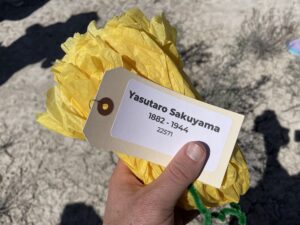
A folded paper flower used during the ceremony that bears the name of Yasutaro Sakuyama, who died in 1944 while imprisoned at Topaz.
During the “Rock of Ages” hymn, ceremonial participants attached to the base of the art installation many colorful paper flowers that carried tags naming other Japanese Americans who died in Topaz. The paper flowers we carried to the ceremony were made by Topaz survivors and descendants in honor of the paper floral blossoms folded by imprisoned Japanese Americans at Topaz in lieu of actual flowers for James Wakasa’s 1943 funeral. Miné Okubo, the artist whose work we saw earlier at the Utah Museum of Fine Arts, drew several illustrations of Wakasa’s funeral while she was incarcerated at Topaz, including drawings of imprisoned women folding paper flowers to adorn wreaths and crosses. On the desert floor in April 2024, white paper flowers also surrounded the excavation site where the Topaz Museum Board excavated Wakasa’s Memorial Stone in 2021. The Wakasa 81st Memorial Ceremony at Topaz simultaneously evoked absence and living memory. It was especially meaningful to me (Roger) to join Nancy Ukai and Masako Takahashi at the ceremony after having worked together to record their oral histories, in which they shared intergenerational memories about James Wakasa and more recent memories about the Wakasa Memorial Stone’s recent rediscovery and removal from that site.
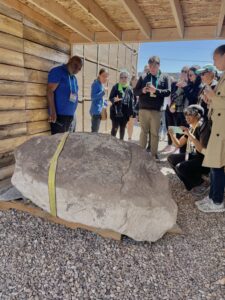
Public historians and Wakasa Memorial Committee members view the excavated Wakasa Memorial Stone at the Topaz Museum in Delta, Utah
After the ceremony at Topaz, the pilgrimage group boarded the bus and traveled sixteen miles to the handsome Topaz Museum, which opened in 2017 after decades of fundraising and planning in the small town of Delta, Utah. Once there, the pilgrimage group found their way to the back of the museum where we gathered to witness the actual Wakasa Memorial Stone, a one-thousand-pound rock now confined in a small enclosure. After paying our respects to the stone, we toured the Topaz Museum’s exhibits and collections, which include hundreds of artifacts, photographs, and oral histories, as well as 150 pieces of original artwork. The Topaz Museum’s core exhibit explores the complex story of the World War II Japanese American incarceration experience, especially as it transpired at Topaz. The exhibit begins with the racist laws that marginalized early Japanese immigrants, which lead eventually to the mass incarceration of Japanese Americans during World War II. The exhibit extends into the traumatic impacts of their exile, with an obvious focus on the Topaz experience, and it concludes with an examination of the Constitutional violations that the incarcerees were forced to endure. I found the Topaz Museum exhibits to be impressive, interactive, and informative. The pilgrimage group then gathered a final time out back by the Wakasa Memorial Stone before boarding the bus and returning to Salt Lake City.
OHC interviewers Amanda Tewes (in maroon cap) and Shanna Farrell (in purple hat) observe the excavation site of the Wakasa Memorial Stone near where James Wakasa was shot 81 years earlier in April 1943
The emotional experiences throughout our time in Utah reminded me of William Faulkner’s line in Requiem for a Nun: “The past is never dead. It’s not even past.” The public history presentations on “historical urgency” at NCPH, the outstanding exhibits on Japanese American artists, the powerful pilgrimage to Topaz and the commemorative ceremony at the site of James Wakasa’s murder, which we shared with survivors and descendants of the prison camp eighty-one years from the date of Wakasa’s death, as well as our trip to the Topaz Museum to see its exhibits and the excavated Wakasa Memorial Stone all reminded us that history is still very much alive and shapes our present experiences. At both the Topaz incarceration site and at the Topaz Museum in Delta, we witnessed some of the still-simmering tensions between Topaz Museum Board members and members of the Wakasa Memorial Committee over what has happened and what will happen to the now-unearthed Wakasa Memorial Stone. Throughout all of those experiences in Utah, I kept thinking on the recurrent theme of “belonging,” including in the oral histories we continue to conduct in the Oral History Center’s Japanese American Intergenerational Narratives Project. “Belonging” carries multiple meanings and invites complex questions. Within what communities, or within which factions of communities, do we find and feel belonging? Throughout history, and up through the present, where have Japanese Americans found belonging? What about the physical artifacts of Japanese American history, like artwork created during World War II-era incarceration, or like the recently re-discovered Wakasa Memorial Stone? To whom do those objects belong? And importantly, who has the right to tell the history of artifacts, artwork, memorials, or lived experiences? To whom does this history belong?
Answers to questions of belonging are elusive because they’re always evolving. I do know, however, how grateful I feel to continue working with individuals and communities to record oral histories that empower narrators to share their own living memories and reflections on the past, and how the personal histories these interviews record will continue to shape our shared present moments. These experiences in Utah helped further inspire our ongoing work on the Japanese American Intergenerational Narratives Project. We hope that you, too, can find inspiration and meaning in these stories, and that they might inform your own sense of belonging.
— Roger Eardley-Pryor, Oral History Center historian and interviewer
ABOUT THE ORAL HISTORY CENTER
The Oral History Center of The Bancroft Library preserves voices of people from all walks of life, with varying political perspectives, national origins, and ethnic backgrounds. We are committed to open access and our oral histories and interpretive materials are available online at no cost to scholars and the public. You can find our oral histories from the search feature on our home page. Search by name, keyword, and several other criteria. Sign up for our monthly newsletter featuring think pieces, new releases, podcasts, Q&As, and everything oral history. Access the most recent articles from our home page or go straight to our blog home.
Please consider making a tax-deductible donation to the Oral History Center if you’d like to see more work like this conducted and made freely available online. While we receive modest institutional support, we are a predominantly self-funded research unit of The Bancroft Library. We must raise the funds to cover the cost of all the work we do, including each oral history. You can give online, or contact us at ohc@berkeley.edu for more information about our funding needs for present and future projects.