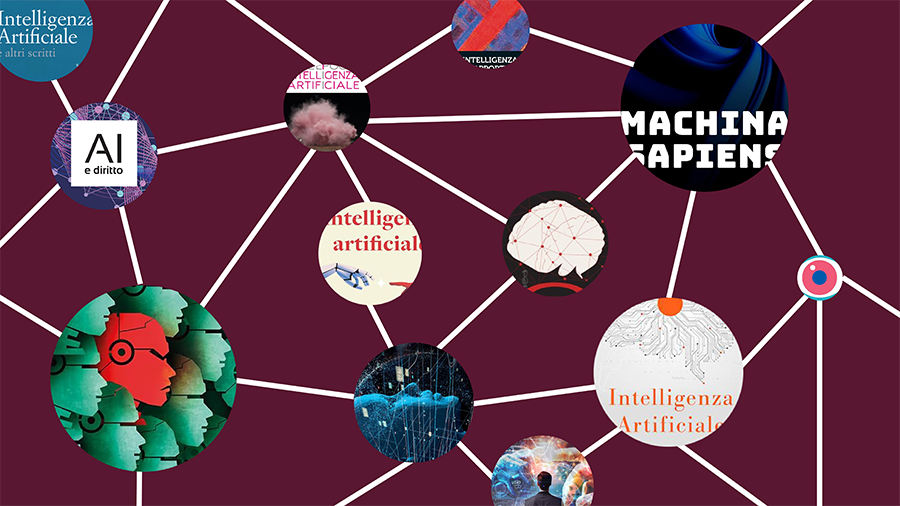
Judging by the explosion of new books on artificial intelligence, or AI, being published in Italy, you might think this Mediterranean country is the the editorial epicenter for one of the hottest interdisciplinary topics. Whether you are in the humanities, social sciences, human sciences, computer science, or STEM fields, “intelligenza artificiale” as it’s called in Italian will eventually find its way into your coursework or research. Here are just a few of the books on AI to recently reach bookstores in Italy and that have not automatically been sent to the UC Berkeley Library. However, if you are inclined just let your friendly Romance languages librarian know and he’ll be happy to push the first button to initiate this demand-driven order.*
-
Amore, Nicolò and Eleonora Rossero. Robotica e intelligenza artificiale nell’attività medica. Organizzazione, autonomia, responsabilità. Bologna: Il Mulino, 2024.
-
Bezzecchi, Emanuele. Intelligenza artificiale. Farsi le domande giuste, capire gli scenari futuri e usare in modo smart l’IA generativa. Milano: Vallardi, 2024.
-
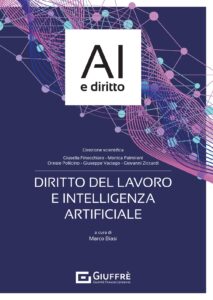
Biasi Marco, editor. Diritto del lavoro e intelligenza artificiale. Giuffrè, 2024.
-
Butera, Federico and Giorgio De Michelis. Intelligenza artificiale e lavoro, una rivoluzione governabile. Venezia: Marsilio, 2024.
-
Caligiore, Daniele. Curarsi con l’intelligenza artificiale. Bologna: Il Mulino, 2024.
-
Canali, Chiara and Rebecca Pedrazzi. L’Opera d’arte nell’epoca dell’intelligenza artificiale. Milano: Jaca Book, 2024.
-
Corrado, Vincenzo and Stefano Pasta. Intelligenza artificiale e sapienza del cuore. Commento al Messaggio di Papa Francesco per la 58ma Giornata mondiale delle Comunicazioni Sociali. Brescia: Morcelliana, 2024.
-
Cristiani, Nello. Machina sapiens. L’algoritmo che ci ha rubato il segreto della conoscenza. Bologna: Il Mulino, 2024.
-
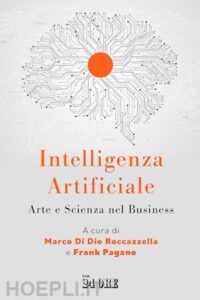
Di Dio Roccazzella, Marco and Frank Pagano, editors. Intelligenza artificiale. Arte e scienza nel business. Il Sole 24 Ore, 2023.
-
D’Isa, Francesco. La Rivoluzione Algoritmica delle Immagini: Arte e Intelligenza Artificiale. Luca Sossella Editore, 2023.
-
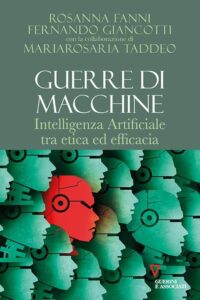
Fanni, Rosanna et al. Guerre di macchine. Intelligenza artificiale tra etica ed efficacia. Guerini e Associati, 2024.
-
Formica, Piero. Intelligenza umana e intelligenza artificiale. Un’esposizione nella Galleria della Mente. Pendragon, 2024.
-
Gulisano, Paolo. Imperativo tecnologico: La sfida etica dell’intelligenza artificiale. Idrovolante Edizioni, 2024.
-
Iaselli, Michele. La protezione dei dati nell’era dell’intelligenza artificiale. 2024.
-
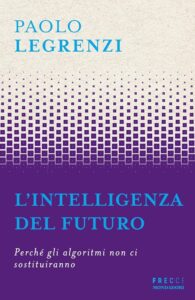
Legrenzi, Paolo. L’intelligenza del futuro. Perché gli algoritmi non ci sostituiranno. Milano: Mondadori, 2024.
-
Mari, Luca. L’Intelligenza artificiale in Dostoevskij. Riflessioni sul futuro, la conoscenza, la responsabilità umana. Il Sole 24 Ore, 2024.
-
Narmenni, Francesco. Conversazioni con l’intelligenza artificiale. Il Punto d’Incontro, 2023.
-
Pajno, Alessandro et al, editors. Intelligenza e diritto: una rivoluzione? Vol. 1. Diritti fondamentali, dati personali e regolazione. Bologna: Il Mulino, 2022.
-
Pasqualetti, Fabio, and Vittorio Sammarco, editors. Intelligenza artificiale: In cerca di umanità. LAS, Percorsi di Comunicazione, 2023.
-
Proto, Massimo. Intelligenza artificiale e rapporti bancari. Umano e non umano nelle relazioni tra intermediari e clienti. Pacini Giuridica, 2024.
-
Sini, Carlo. Intelligenza artificiale e altri scritti. Milano: Jaca Book, 2024.
*Demand-driven acquisition (DDA), is a model of library collection development in which a library only purchases materials when it is clear that a patron has demonstrated the need for a resource. If implemented correctly, DDA can make it possible to purchase only what is needed, allowing libraries to spend the same amount of money as they previously spent on monographs, but with a higher rate of use.