by Chloe Chu ’22
These past two years have been filled with circumstances which have required us to be flexible, empathetic, and open to change. So, too, as a Library Fellow. As we collaborated together, we were pushed beyond our comfort zones, encouraging us to be more adaptable and understanding. This year, as a member of the Making Team, I had the opportunity to immerse myself in the design thinking process through a service project to make the Doe Makerspace more accessible and equitable for our undergraduate students.
Initially, I was excited to work on the Making Team because it meant we would be in the Makerspace often. Or so I thought. Well, at least it sounded cool. Then, it dawned on me: What is the Makerspace? Where is it located? Who can use it? What can you do there?
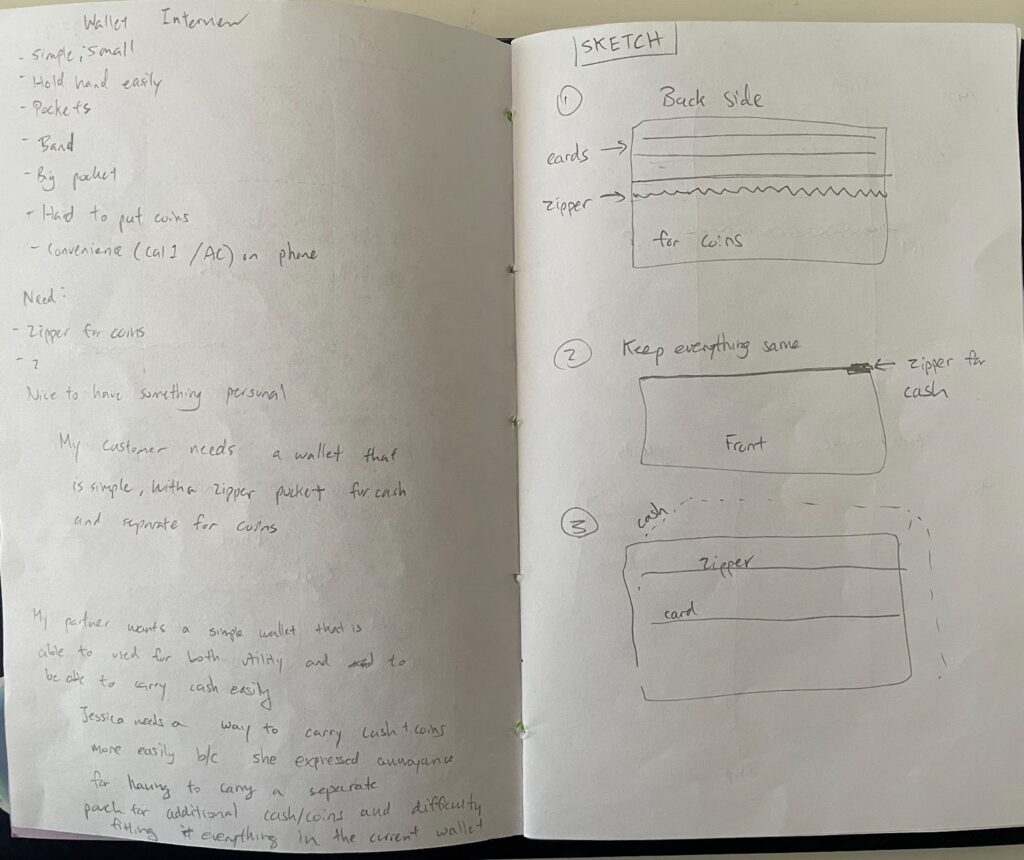
I visited the Makerspace for the first time in August 2021. The space was dimly lit, a bit messy, and quite cold but I loved it (there are 3D printers!). We kicked off the year learning about one another and diving into a wallet activity, where we partnered up and explained our ideal wallet to each other. After conducting a brief interview, we had five minutes to design our partner’s ideal wallet. This created excitement as we caught a glimpse of how to approach empathy and design thinking on a personal level.
Throughout the fall, I attended each group meeting hoping our mentors would announce our projects and the concrete steps for execution. However, I never received clear answers. Instead, I would learn of one more tool to use in the process, whether that was a concept related to emergent thinking, empathy and awareness, or turning our constraints into creativity. Though frustrating at the time, looking back, the lack of clarity and direction we received was intentional. The ambiguity, complexity and uncertainty challenged us to reimagine the Makerspace with full creativity, without constraint.
Our team came up with our problem statement using the following framework: [Community] needs a way to [user’s need] because [insight]. Our team’s statement: UC Berkeley Library and the Makerspace need a way to encourage underrepresented UC Berkeley students to use the Makerspace because more people should feel that they are welcomed here.
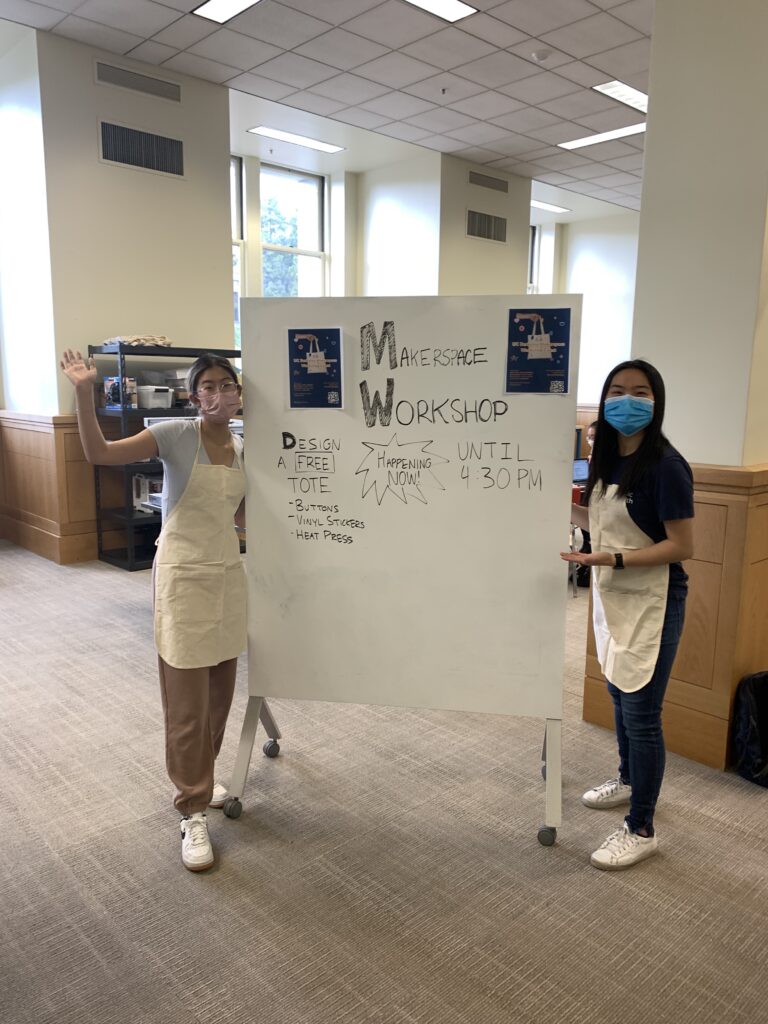
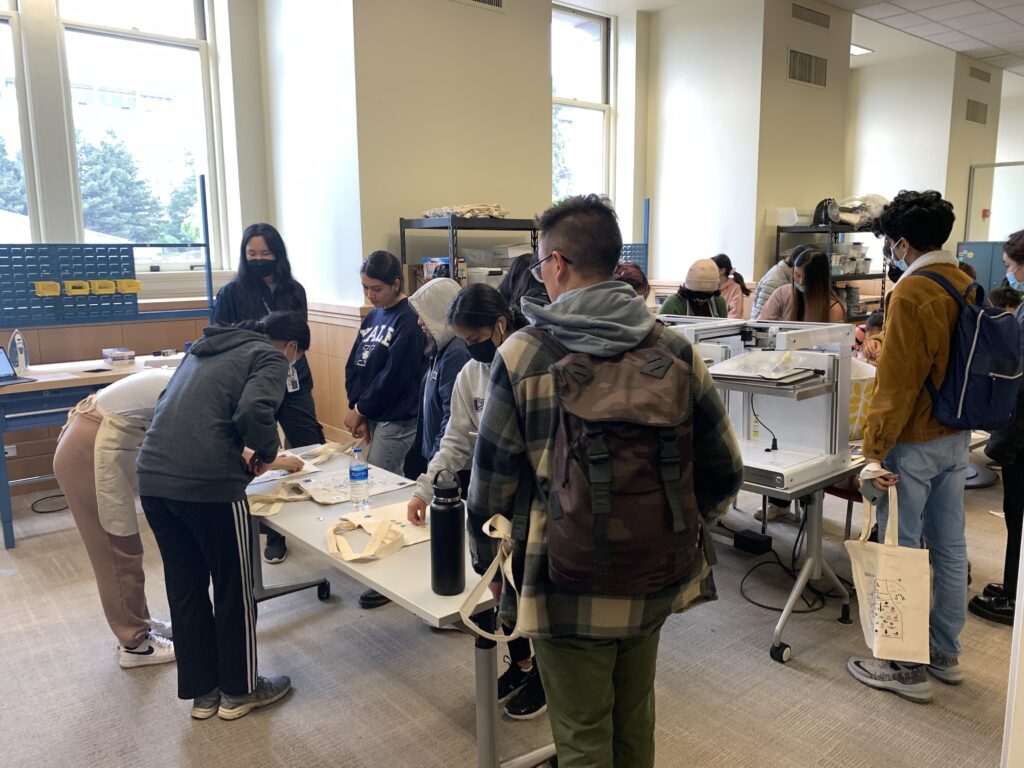
With our problem statement finalized, the Making Team (Alysa, Christina, Maura, and I) set up bi-monthly meetings to work on our projects. These meetings laid the groundwork for our final service project, a Makerspace Open House. However, the road to our event was full of ups and downs. First, it was challenging to be intentional during our team meetings as it was not always clear which stage in the design thinking process we were in. It seemed that our mentors gave us free rein, but we were searching for clear directions. It also felt overwhelming thinking about how we would make the space more accessible for 30,000+ undergraduates. However, in the midst of uncertainty, we learned to pivot and iterate quickly. At some point, we reminded ourselves that this process was meant to be messy. It is okay to fail. That is the purpose of iteration. These reminders inspired us to explore multiple ideas and conduct more user interviews with students. They fueled our next meetings as we revised and finalized details for the Open House. In the end, I was inspired by the incredible success of the event. It was rewarding to see the many hours we invested into the iterative process come to fruition. But more than anything, I learned to take risks without knowing all the details and to embrace change even if it might be initially stressful.
While these years have been challenging academically and personally, they have also grown me in ways I could not have imagined when I first arrived in Berkeley. I’m grateful for the opportunity to serve the Berkeley community as a Library Fellow and I will take the lessons I’ve gathered and apply them to whatever’s ahead in the future. I encourage future Fellows to develop strong relationships with your mentors and teams beyond the fellowship context, lead your meetings with intention, and embrace the process (in all of its messiness) along your journey.
(Photos courtesy of Kiyoko Shiosaki)